
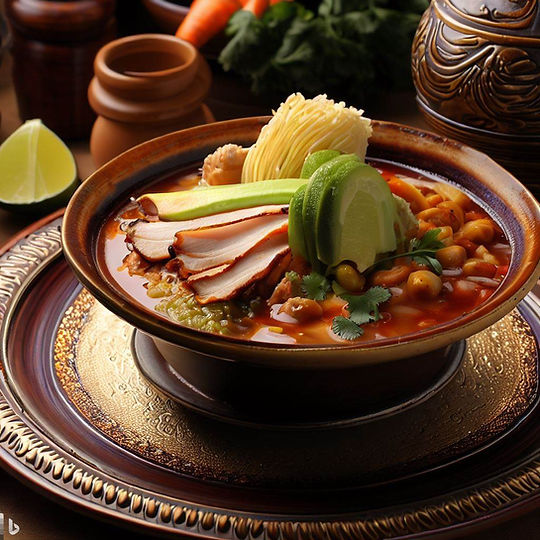
Greetings, my kitchen comrades! If you thought we were done simmering in the depths of pozole knowledge, then fasten your proverbial seat belts—or should I say, apron strings? Let’s infuse another layer of savory wisdom into our ever-bubbling pot of culinary delights. Mexican food is on my mind.
The Mythical Maize: It’s Not Just Corn
Okay, let’s get this straight—maize, the central ingredient in hominy, is not just “American corn.” It’s a staple that was first cultivated in what is now Mexico over 6,000 years ago. It’s a food so vital that it finds itself enshrined in Mesoamerican mythology. According to Aztec legend, humans were created from masa (corn dough), by the god Quetzalcoatl. So, in a poetic way, eating maize is like a reconnection with the divine—or at least that’s my excuse for third helpings.
The Culinary Conundrum of Pre-Colombian Pozole
Now, how about a tidbit that’s as surprising as finding a whole clove in your slice of apple pie? The original pozole was a dish often consumed on special occasions and involved, hold your forks, human sacrifice. The meat in the original recipe was, ahem, human meat, offered to the gods. After the arrival of the Spaniards, this macabre ingredient was substituted with pork, as its taste was considered most similar to human flesh. It’s a past that’s as complex as the layered flavors in your bowl.
Hominy and The Tortilla Sidekick
While pozole is certainly an iconic way to consume hominy, let’s not forget its versatile cousin: the tortilla. Corn tortillas, a product of nixtamalized maize, were already around during the time of the Aztecs. It is said that Moctezuma used these as a sort of spoon to scoop up his foods. Fast forward to modern-day San Diego, and we’ve got taco shops rivaling Starbucks in ubiquity. Plus, did you know that during the Aztec empire, tortillas also functioned as a form of currency? Take that, Bitcoin.
Ancho Chilies: The Introverted Firecrackers
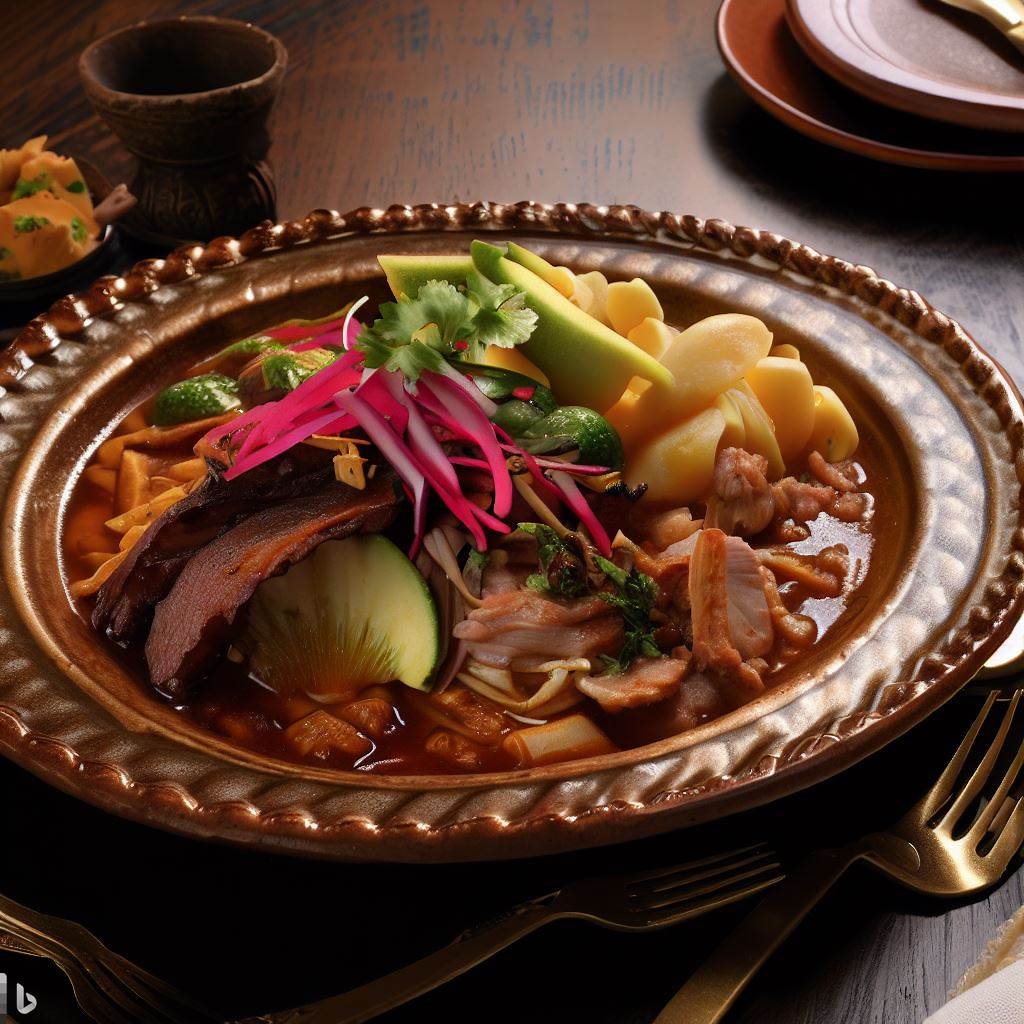
Now, we can’t talk pozole without waxing poetic about ancho chilies. Contrary to popular belief, ancho chilies aren’t designed to scorch your palate and make you question your life choices. They’re the dried form of poblano peppers, and their heat is relatively mild. But did you know they’re a fundamental element of the mole family? That’s right, without ancho chilies, the beloved moles of Puebla and Oaxaca wouldn’t be the same.
The Recipe: From Sacred Rituals to Your Kitchen Pot
Ingredients
Instructions
Pro Tip: The Nutritional Punch
For the health-conscious among us, let’s talk about why pozole can be a nutritional powerhouse. The process of nixtamalization actually increases the nutritional value of maize, enhancing niacin (Vitamin B3), calcium, and dietary fiber. Meanwhile, chilies are chock-full of antioxidants. When cooked slowly, pork shoulder becomes a tender source of protein. So yes, it’s possible to make pozole that’s both hearty and healthy, without resorting to kitchen alchemy.
To Sum it Up
As we journey from pre-Colombian rituals to San Diego kitchens, it’s clear that pozole is more than a dish—it’s a tapestry of cultural, historical, and yes, nutritional elements. It’s the sort of meal that not only fills your stomach but also enriches your understanding of a rich and complicated culinary heritage.
And there you have it, dear readers—more layers to your pozole than you ever imagined, from the kernels of ancient maize to the simmering pots of modern kitchens. If food is indeed the lens through which we view the world, then boy, is this lens seasoned to perfection.
Until our next culinary escapade, may your pots be ever boiling and your facts ever surprising. 🥄✨
-Your Unquenchably Curious Culinary Scribe
 Bites & Bytes
Leave a comment