
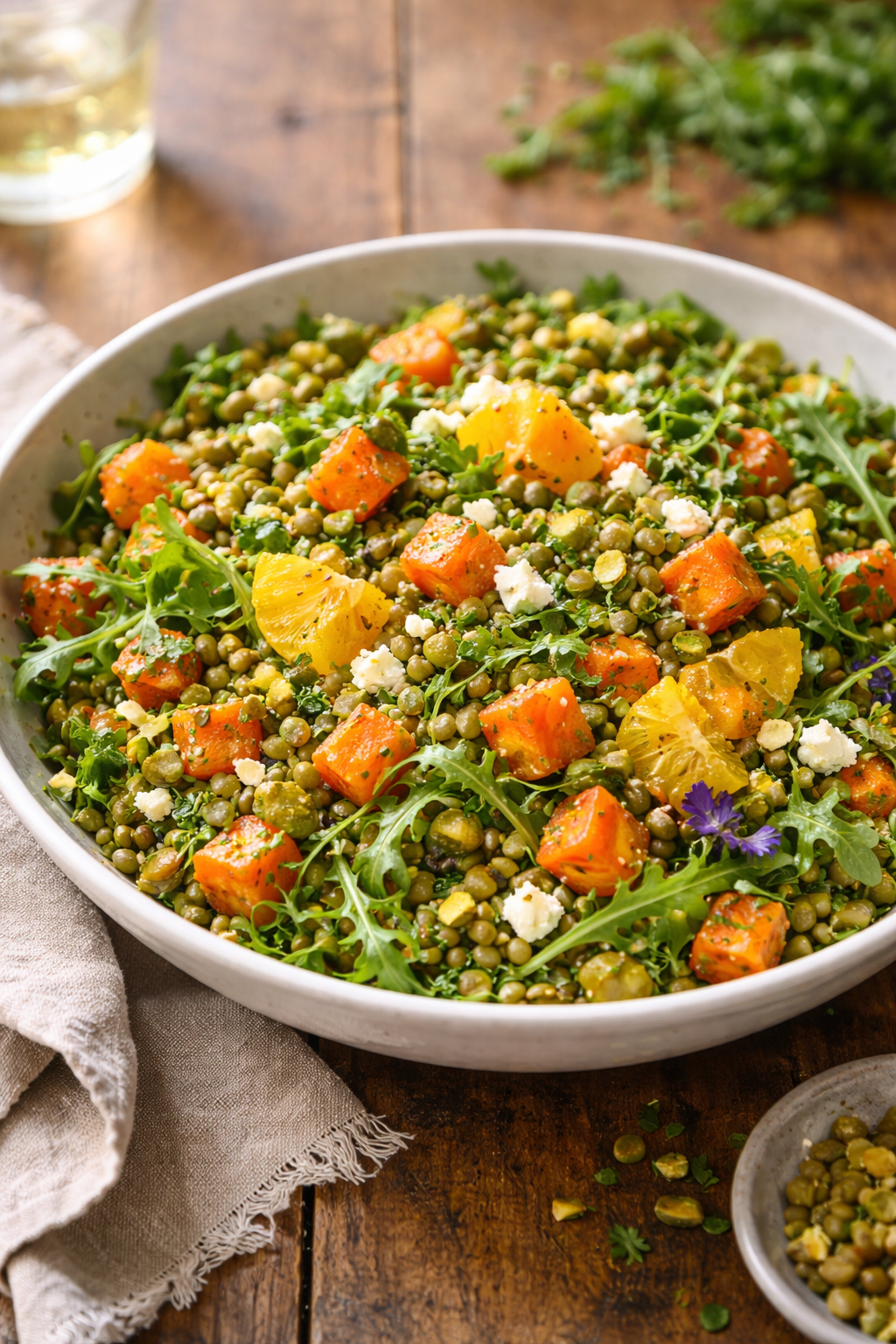
There is a particular tone people use when they say the word salad. It’s the same tone reserved for dentist appointments and mandatory staff meetings.
“Oh… I’ll just have a salad.”
Just. As if it’s a consolation prize. As if somewhere, a roast chicken is weeping because it was not chosen.
Let me tell you something after twenty years in professional kitchens and just as many managing a household full of hungry humans: salad is not punishment. Salad is power. Salad is architecture. Salad is culture, history, texture, chemistry, and occasionally—if you’re doing it right—a revelation.
And if your salads have been limp, watery, and emotionally unavailable, that is not the fault of lettuce. That is user error.
The Ancient Roots of Raw Brilliance
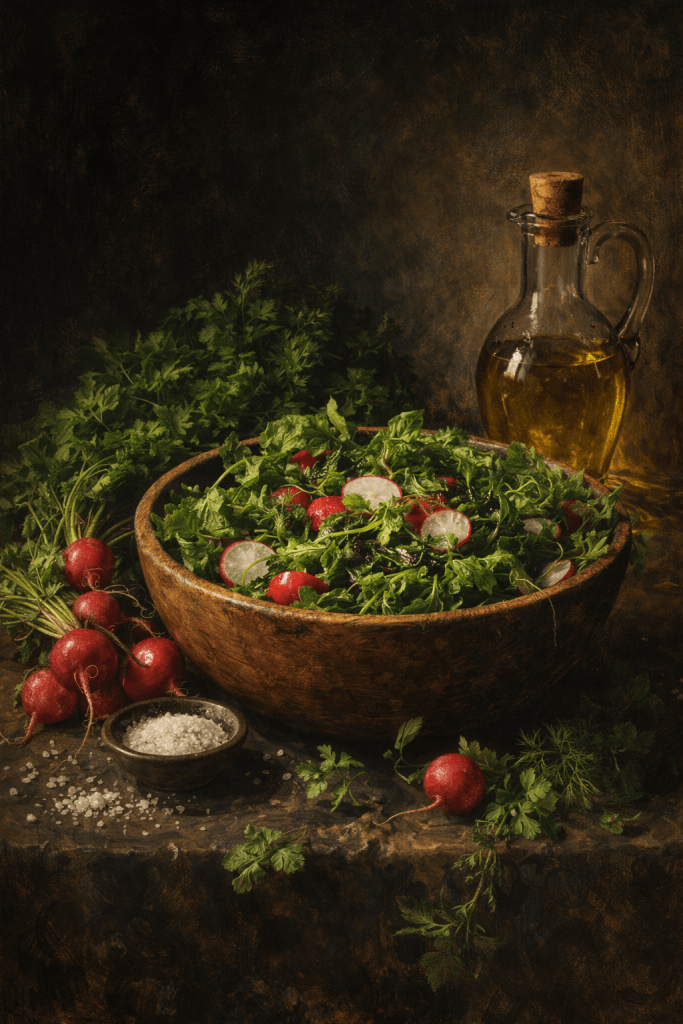
The word salad comes from the Latin sal, meaning salt. The Romans dressed bitter greens with salt, oil, and vinegar long before anyone tried to drown iceberg lettuce in a suspiciously sweet bottled dressing.
And they understood something we seem to forget: raw ingredients have personality. Bitterness, sweetness, peppery bite, mineral depth. They don’t need to be disguised. They need to be respected.
In fact, some of the most celebrated cuisines in the world elevate raw vegetables to an art form. Think of shaved fennel in Italy, bright herb salads in Vietnam, cucumber and yogurt in the Levant. These are not side dishes. They are statements.
Salad, at its best, is not a bowl of leaves. It’s balance.
The First Time I Fell in Love with Salad
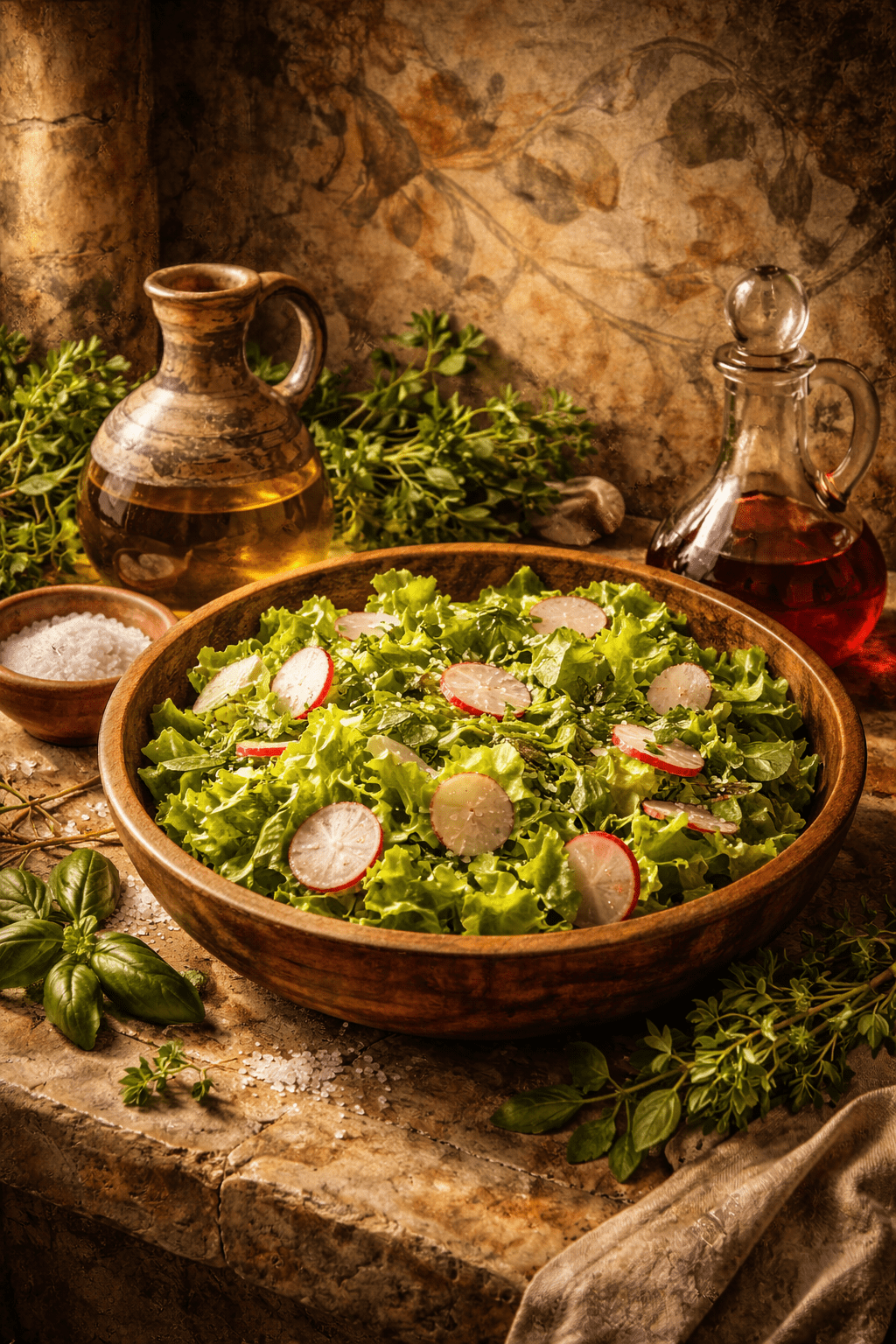
Years ago, I was staging in a tiny kitchen in Provence. The chef—a woman in her seventies with wrists like steel cables—served what looked like the simplest lunch imaginable: butter lettuce, torn by hand, a whisper of chives, radishes sliced so thin they were practically translucent, and a dressing that tasted like sunlight.
I took a bite.
The lettuce snapped. The radish stung just enough. The vinaigrette—sharp, silky, restrained—clung to every curve of the leaves without pooling in the bottom like regret.
I realized then that most people overdress their salads because they don’t trust their ingredients. That salad didn’t need more. It needed precision.
That’s when I started treating salads the way I treat stews: thoughtfully, structurally, deliberately.
The Architecture of a Great Salad
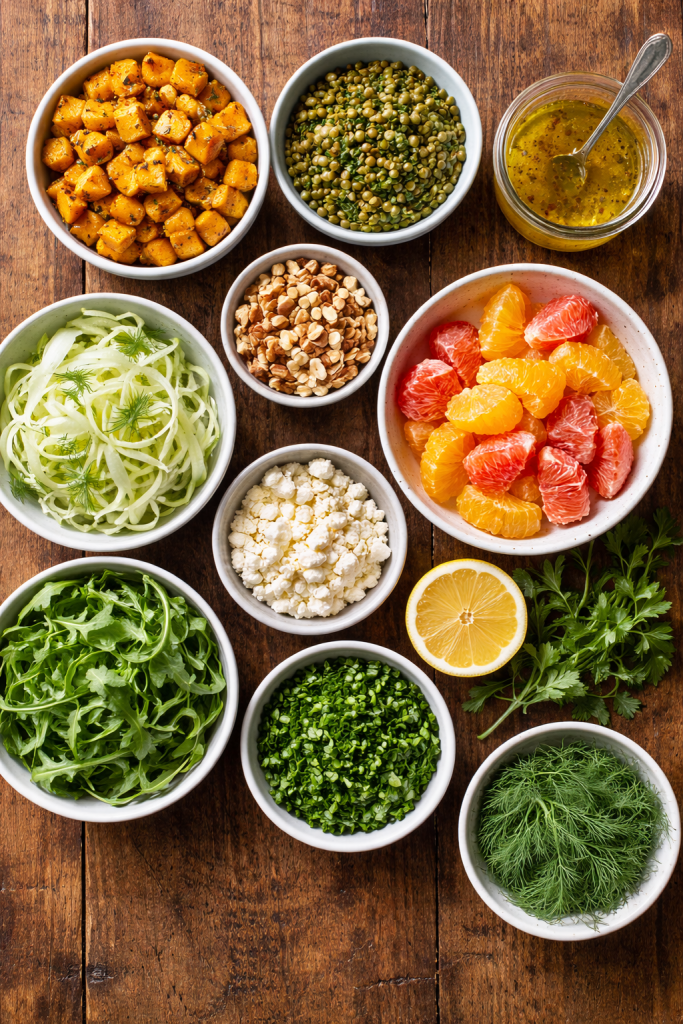
If you’ve ever built a house (or assembled IKEA furniture without crying), you know structure matters.
A proper salad has layers:
- Base: Greens, grains, legumes, or shaved vegetables.
- Body: Roasted vegetables, beans, proteins.
- Texture: Nuts, seeds, crisp vegetables.
- Acid: Citrus, vinegar, pickled elements.
- Fat: Olive oil, avocado, cheese, tahini.
- Freshness: Herbs. Always herbs.
- Seasoning: Salt. Enough of it.
Here’s something most home cooks miss: salt your greens lightly before dressing them. Not aggressively—just enough to wake them up. It transforms flavor.
And dry your lettuce like you mean it. Water dilutes dressing. Dressing diluted is sadness in liquid form.
Another secret? Warm elements on cool greens create contrast. A spoonful of hot roasted squash hitting crisp arugula creates aroma that no cold salad ever will.
Salad Is Not a Side Character
We’ve relegated salad to the edge of the plate for too long.
But nutritionally, texturally, emotionally—salad can stand alone. When built correctly, it satisfies. Fiber and fat together slow digestion. Acid brightens the palate. Crunch keeps your brain engaged. There’s a reason we feel invigorated after eating a vibrant, balanced salad: it activates every sensory pathway.
I’ve served salads as main courses to skeptical meat lovers who asked for seconds. The key? Substance.
Which brings me to a salad that has converted even the most hardened salad cynics in my orbit.
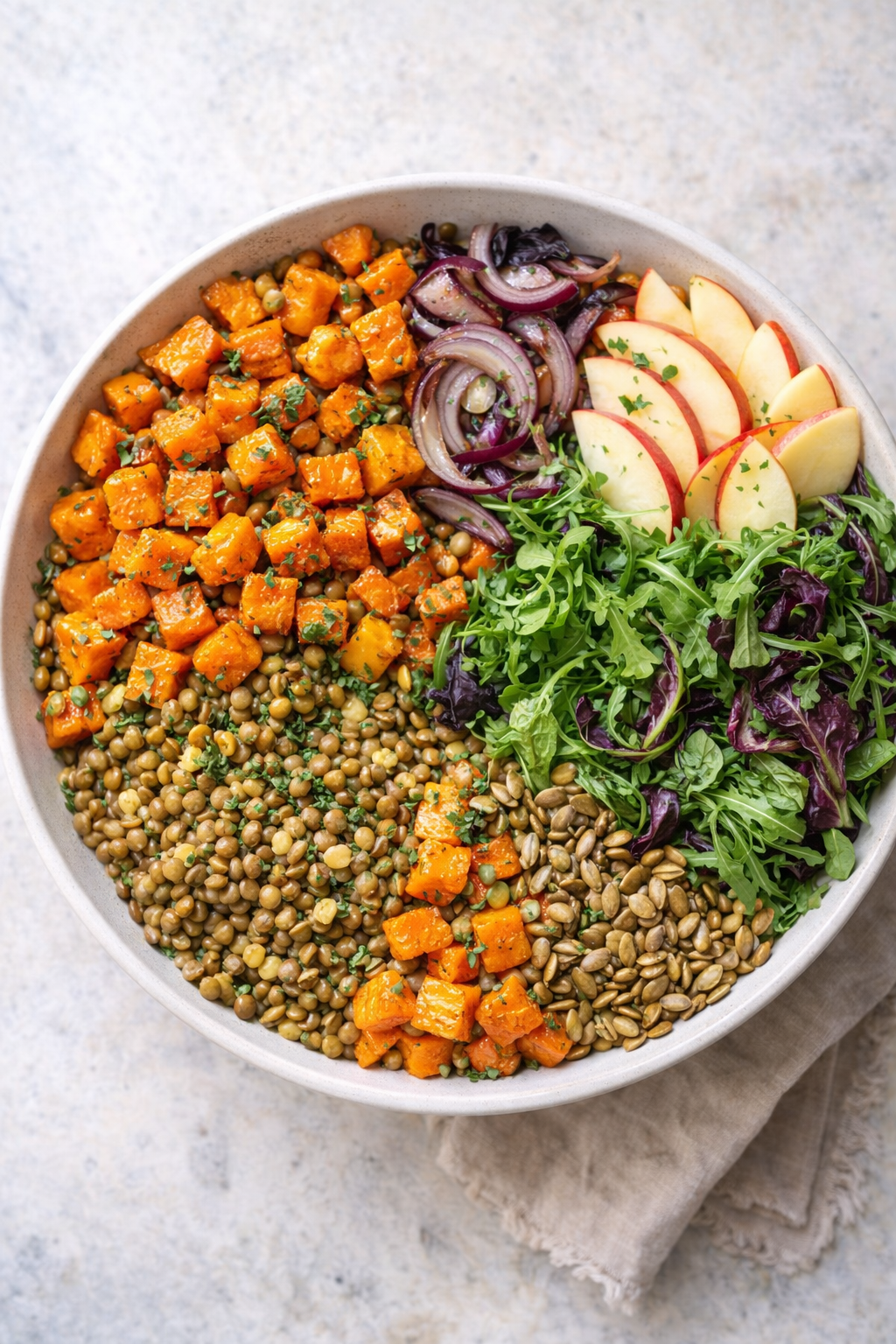
Warm Lentil & Roasted Carrot Salad with Citrus, Herbs, and Feta
This is not rabbit food. This is depth. Earthy lentils. Sweet roasted carrots caramelized at the edges. Peppery arugula. Bright orange segments. Salty feta. Toasted pistachios for crunch. A vinaigrette that walks the line between sharp and lush.
It’s a salad that eats like a meal and lingers like a memory.
Serves 4 as a main course, 6 as a side
This is the kind of salad that makes people pause mid-bite.
Ingredients
For the salad:
- 1 cup French green lentils (Puy lentils), rinsed
- 2 ½ cups vegetable broth or water
- 1 bay leaf
- 1 small shallot, peeled but left whole
- 1 lb carrots, peeled and cut on a diagonal into thick slices
- 2 tablespoons olive oil
- Salt and freshly ground black pepper
- 4 packed cups arugula (or baby spinach)
- 2 oranges, segmented (supremed) with juice reserved
- ½ cup crumbled feta
- ⅓ cup toasted pistachios, roughly chopped
- ¼ cup fresh parsley, chopped
- 2 tablespoons fresh mint, finely sliced
For the Citrus Shallot Vinaigrette
- 1 small shallot, very finely minced
- 2 tablespoons red wine vinegar
- 2 tablespoons fresh orange juice (reserved from segmenting)
- 1 teaspoon Dijon mustard
- ⅓ cup extra virgin olive oil
- Salt and freshly cracked black pepper to taste
Instructions
1. Cook the Lentils
In a medium saucepan, combine lentils, broth (or water), bay leaf, and the whole shallot. Bring to a gentle boil, then reduce to a simmer. Cook uncovered for 20–25 minutes until the lentils are tender but still hold their shape.
Drain any excess liquid, discard the bay leaf and shallot, and season the warm lentils lightly with salt and a drizzle of olive oil. Set aside slightly warm—not piping hot, not cold.
(Overcooked lentils become mush. We are building texture here, not baby food.)
2. Roast the Carrots
Preheat oven to 425°F (220°C).
Toss carrots with olive oil, salt, and pepper. Spread in a single layer on a sheet pan. Roast 20–25 minutes, turning once, until caramelized at the edges and tender in the center.
You’re looking for golden edges. That’s where sweetness lives.
3. Make the Vinaigrette
In a small bowl, whisk together minced shallot, vinegar, orange juice, and Dijon. Let it sit for 5 minutes—this softens the shallot’s bite.
Slowly whisk in olive oil until emulsified. Season with salt and pepper. Taste. Adjust. It should be bright but rounded, sharp but not aggressive.
4. Build the Salad
In a large bowl, toss the warm lentils with half of the vinaigrette.
Add roasted carrots and gently fold.
Place arugula on a serving platter or shallow bowl. Spoon the lentil-carrot mixture over the greens. The warmth will slightly soften them—exactly what we want.
Scatter orange segments, feta, pistachios, parsley, and mint over the top.
Drizzle with remaining vinaigrette.
Finish with a final pinch of flaky salt and a few cracks of black pepper.
Serve Immediately
This salad is best slightly warm, when the lentils are tender, the carrots fragrant, and the herbs vibrant.
It holds beautifully at room temperature, which makes it perfect for gatherings—but I warn you: it disappears quickly.
One bite and you understand something important.
Salad was never meant to be background noise.
A Study in Contrast
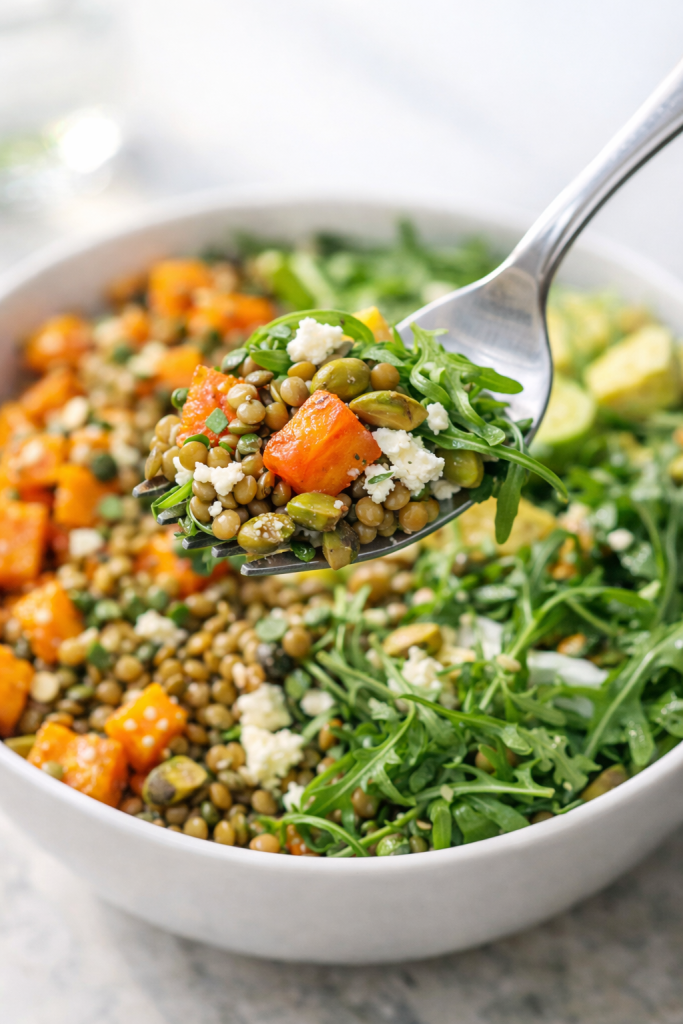
The magic of this salad isn’t just flavor—it’s contrast.
Warm and cool.
Soft and crisp.
Sweet and sharp.
Creamy and crunchy.
That’s what keeps you going back for another bite. Not obligation. Curiosity.
I once served this at a dinner where someone declared, mid-chew, “I don’t even miss the meat.” I nearly wept into my wine.
The Emotional Power of Raw Things
Salads are honest. They don’t hide behind long cooking times or heavy sauces. They ask you to taste what’s actually there.
In a world where so much is overcomplicated, a beautiful salad is radical. It says: this carrot is sweet. This herb is bright. This olive oil matters.
And perhaps that’s why I love them. They remind us that restraint is not deprivation. It’s refinement.
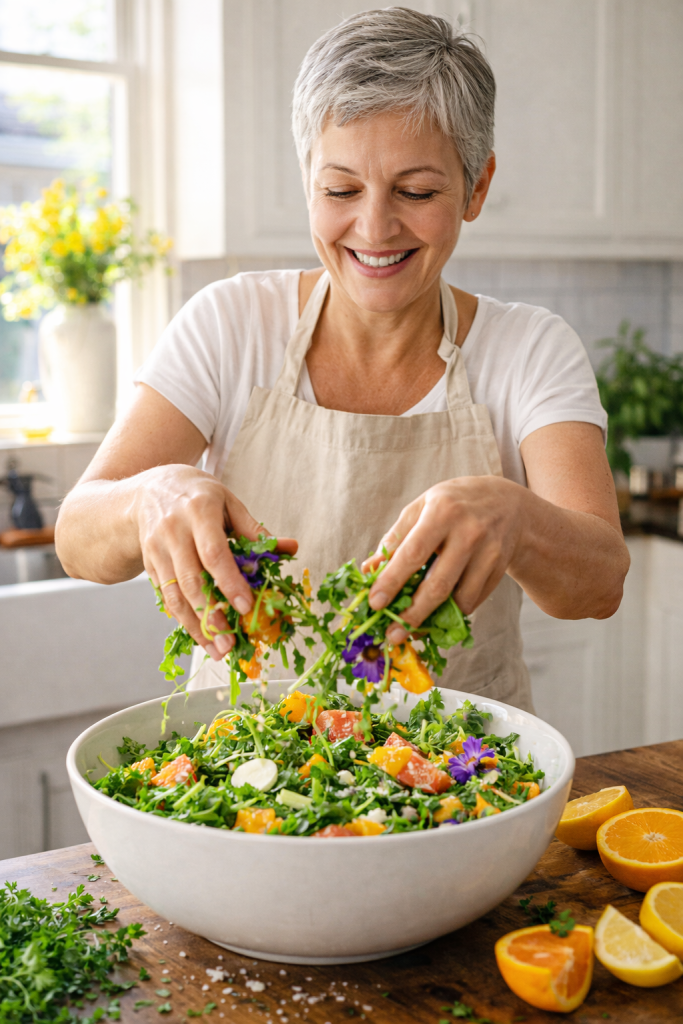
So the next time someone says they’re “just having a salad,” feel free to correct them gently.
They’re not just having anything.
They’re participating in a culinary tradition that spans millennia.
They’re engaging every sense.
They’re choosing vibrancy.
And if they’re lucky, they’re eating this one.
Until next time, may your greens be crisp, your vinaigrette balanced, and your salads never, ever boring.
 Bites & Bytes
Leave a comment