
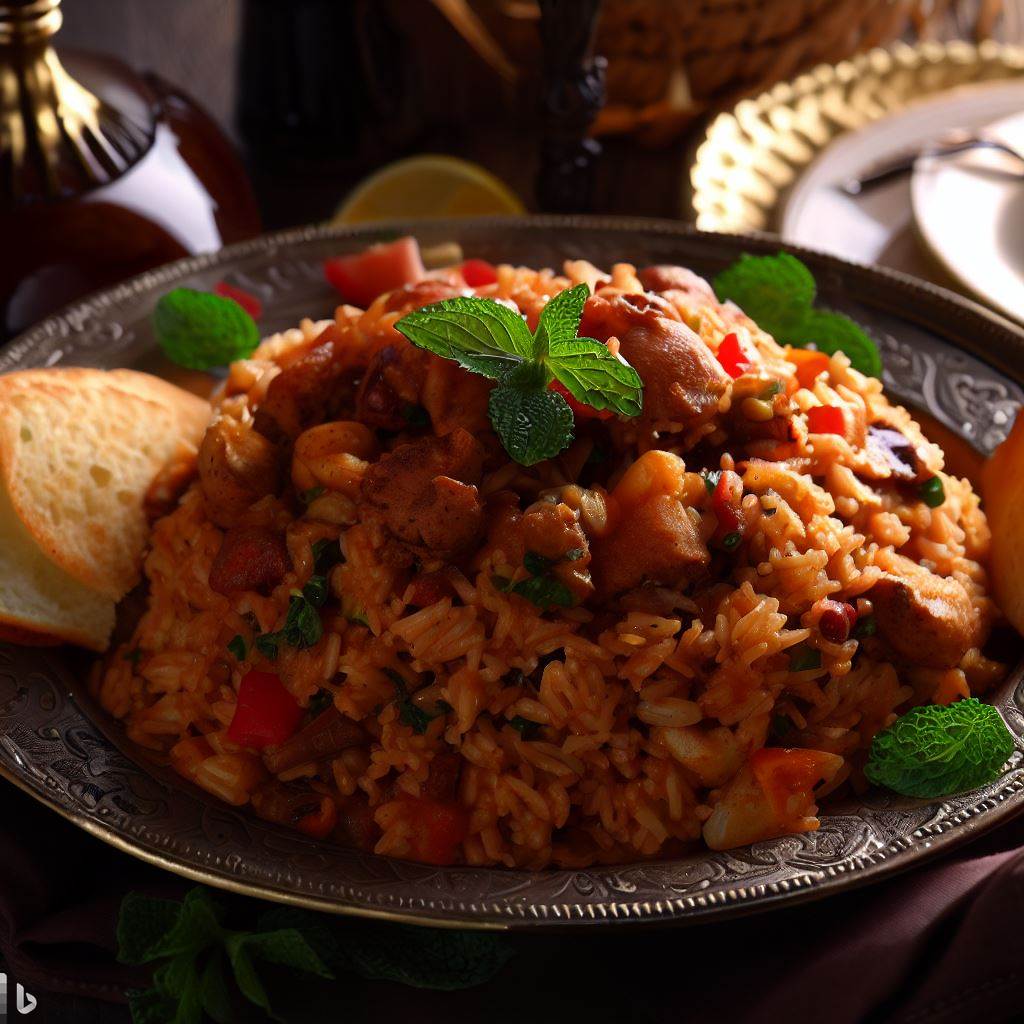
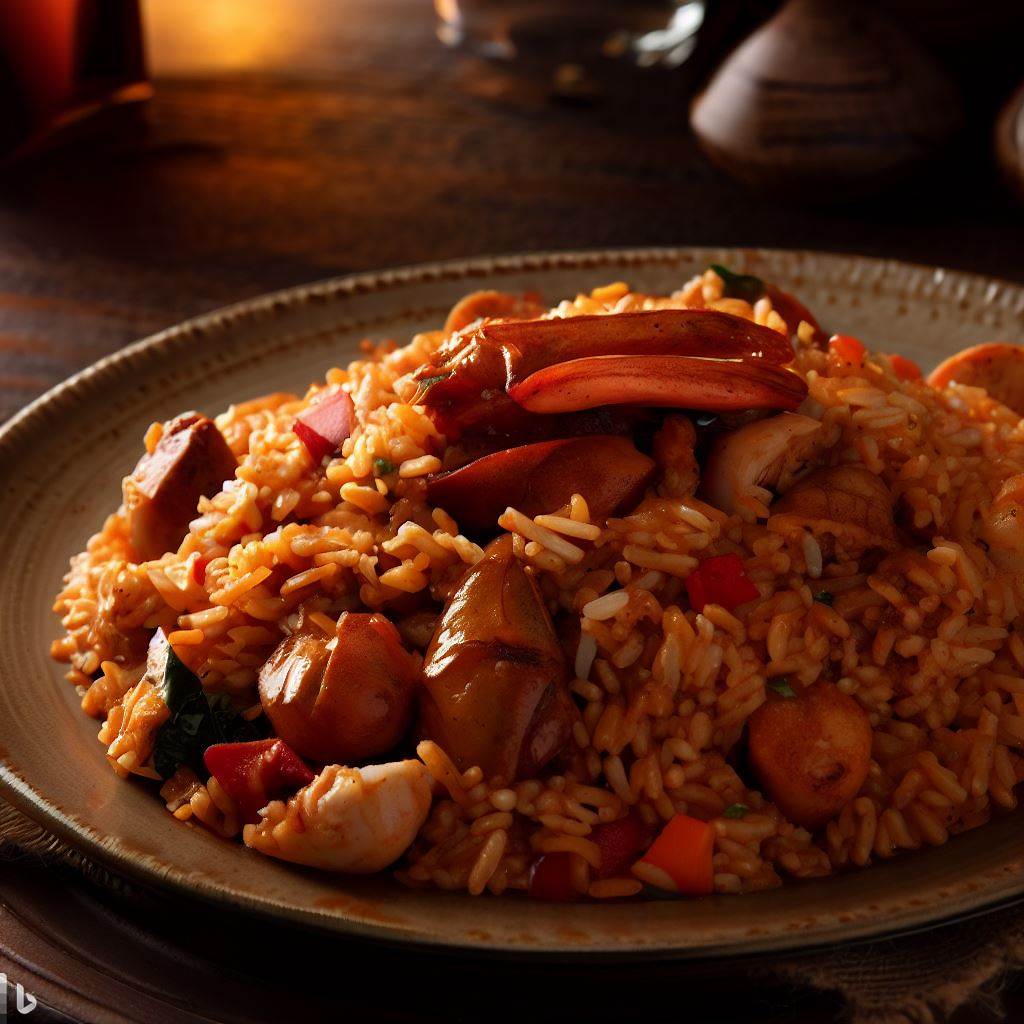
Ah, Jambalaya—a melodic word that’s as much fun to say as it is to eat. Let’s get the academic drivel out of the way first, shall we? Jambalaya is often considered the Creole or Cajun cousin to Spain’s paella. To say it simply: this dish is a marriage of flavors and influences as complex as the tax code but infinitely more delightful. So, don your apron, adjust your chef’s hat, and maybe crack open a history book as we embark on this culinary adventure.
The History Walk
Let’s rewind the clock and journey to the Spanish colonial era in Louisiana. Paella and the indigenous cuisine held a peace summit in a cast-iron pot and birthed this masterpiece. The Native Americans offered the bounty of the land, the Spanish tossed in their love for rich spices, and the French brought their cooking techniques. What do we get? A dish that’s been simmering in the melting pot of American history long before that term was cool.
The Cuisine Scene
Now, about that bone-in chicken breast: why bone-in? Because flavor, that’s why. The bone delivers depth, richness, and a little bit of that grandma’s-kitchen nostalgia. Also, bone-in meat is often cheaper—a nod to jambalaya’s humble roots as a ‘catch-all’ dish meant to stretch available resources. This is economics and gastronomy shaking hands, folks.
The mix of ham and andouille sausage? You can thank the German immigrants for that. Shrimp, naturally, pays homage to Louisiana’s teeming coastal waters. The clam juice is like an Easter egg, a hidden treasure that adds a subtle marine note without screaming “I’m seafood, hear me roar!” Cajun seasoning? That’s a heady blend of French savoir-faire and local ingredients.
For the Nutrition Nerds
Sure, this dish may sound like a dietary apocalypse, but it’s not. Shrimp are rich in iodine and protein, chicken offers lean protein, and those tomatoes? Lycopene city. Let’s not forget the diverse range of veggies—the celery, peppers, and onions—hidden stars that elevate this from mere comfort food to a balanced meal. Moderation is key, my health-conscious friends.
The Recipe: “A Jambalaya of Juxtapositions”
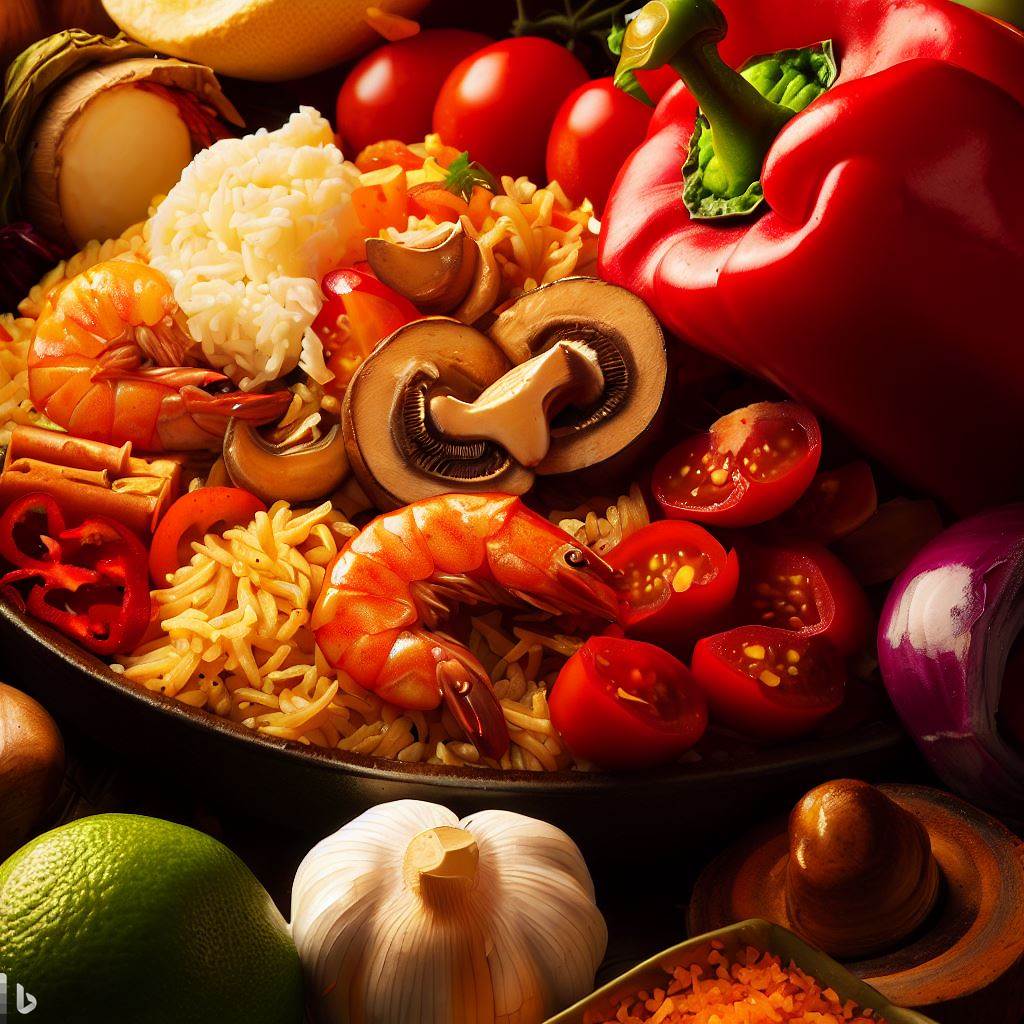
Ingredients
Proteins:
- 2 bone-in chicken breasts
- 1 cup diced ham
- 1 cup sliced andouille sausage
- 1 cup shrimp, peeled and deveined
Veggies:
- 1 green bell pepper, diced
- 2 celery stalks, diced
- 1 onion, diced
- 2 garlic cloves, minced
Flavor-Boosters:
- 1 can crushed tomatoes
- 3 cups chicken broth
- 1 cup clam juice
- 2 tbsp Cajun seasoning
- 1/2 tsp allspice
- 1 tbsp Worcestershire sauce
- 1 tbsp Tabasco sauce
- 1/4 cup red wine
- Juice of 1 lemon
Garnish:
- Sliced green onions
- Chopped cilantro
- Additional lemon wedges
Cooking Time!
- Start by searing the bone-in chicken breast until it’s golden but not fully cooked. Remove it, shred it, and set aside.
- In the same pot, sauté ham and andouille until they whisper secrets of smoky flavors.
- Add the onion, green peppers, and celery—known in Cajun cooking as the “Holy Trinity.”
- Stir in garlic, Cajun seasoning, allspice, Worcestershire sauce, and Tabasco.
- Pour in the tomatoes, chicken broth, clam juice, and red wine. Bring it to a gentle simmer.
- Add shredded chicken and cook until tender.
- Stir in shrimp and red pepper. Cook until the shrimp is pink and no longer translucent.
- Finish with a splash of lemon juice, green onions, and cilantro.
- Serve with a smile and an optional squeeze of lemon.
So there you have it—a dish that’s as layered and complex as the history books from which it springs. Jambalaya is a culinary allegory, where each ingredient plays its part in the grander narrative of American history and global influence.
Now go ahead, take a bite and taste the centuries.
Bon Appétit and Happy Reading! 🍲📚
 Bites & Bytes
Leave a comment