
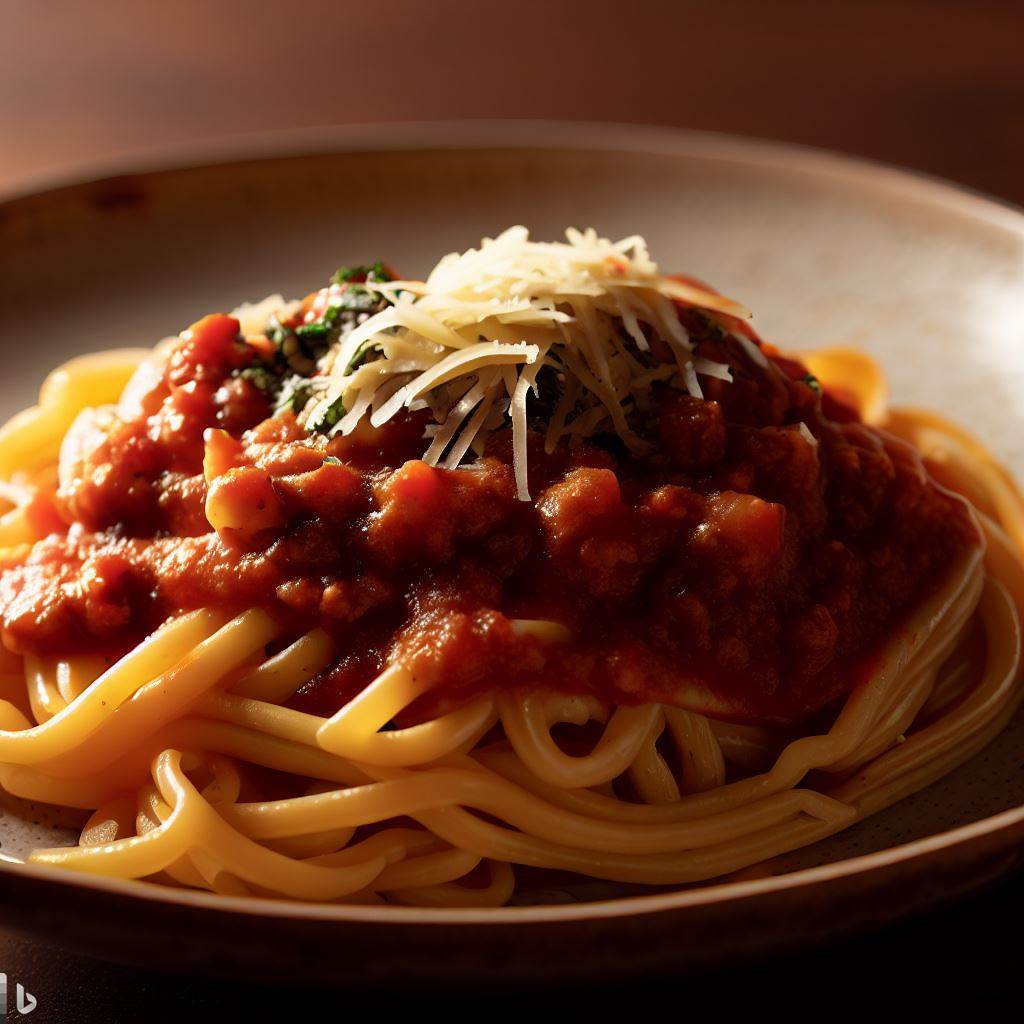
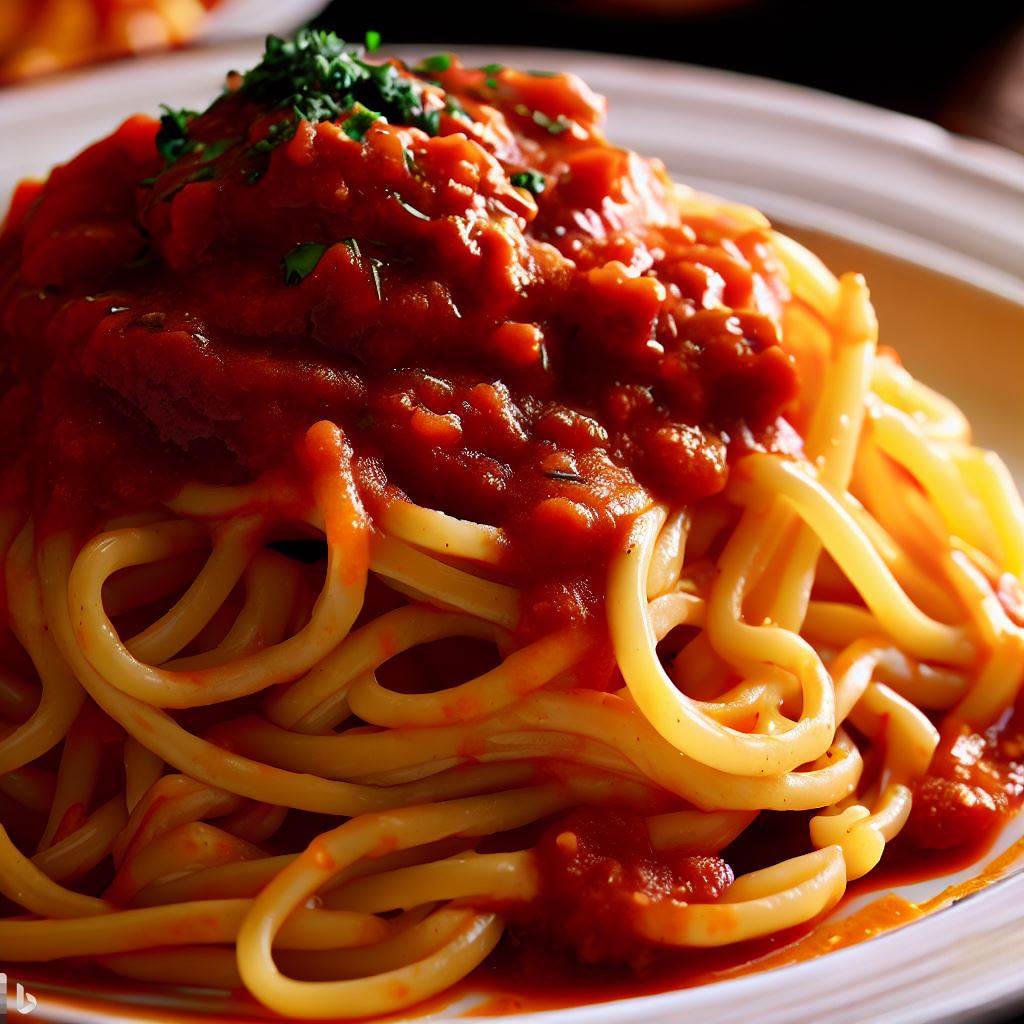
In today’s culinary jam session, we’re tackling the illustrious Marinara sauce—a composition so simple it’s like a Beethoven piano sonata, graceful yet fraught with emotion. Strap in, because we’re not just cooking today; we’re connecting dots on the timeline of food history.
The Recipe: “Minimalist Maestro”
Let’s start with the composition sheet.
- 1 can of crushed tomatoes (28 oz)
- 2 tsp of red pepper flakes
- 1 tsp of oregano
- 1/2 cup of red wine (choose one that has notes you enjoy)
- Salt to taste
- Your pasta of choice
Steps
- Crushed Tomatoes: This is your blank canvas, your open field, your sea of possibility. Into a saucepan it goes.
- Red Pepper & Oregano: Consider these your essential motifs—the recurring elements that catch the ear (or in this case, the tongue). They get sprinkled in next.
- Red Wine: Think of this as the counter-melody. It doesn’t seem like a main character but without it, the performance falls flat. Pour and stir.
- Simmer: This is where the motifs learn to dance together. Keep the heat low; this is a ballad, not a rave.
- Salt: The conductor that harmonizes the whole piece. Add cautiously, as you’d sprinkle magic dust.
- Pasta: The stage on which this sauce will perform. Cook to al dente and combine with the sauce.
- Optional: Serve with a dusting of Parmesan. This is your standing ovation.
Marinara in History: A Sailor’s Tale
It’s common for people to think that “marinara” is connected to “marine” or the sea, considering it often accompanies seafood. The term, however, is rooted in “marinaro,” which translates to “sailor” in Italian. This tomato-based creation was a sailor’s delight, not only for its savory goodness but for its longevity at sea—no refrigerators aboard those 17th-century galleons, you know.
The Late Bloomer: Tomato’s Grand Entrance
Ah, the tomato. Originating in South America, this humble fruit (yes, it’s a fruit, not a vegetable—don’t let its identity crisis throw you) entered the European culinary lexicon in the 16th century. Initially thought to be poisonous, it was relegated to the role of a decorative piece. But by the late 17th and early 18th centuries, it had been recognized as the culinary superstar it is today, especially in Italian cuisine.
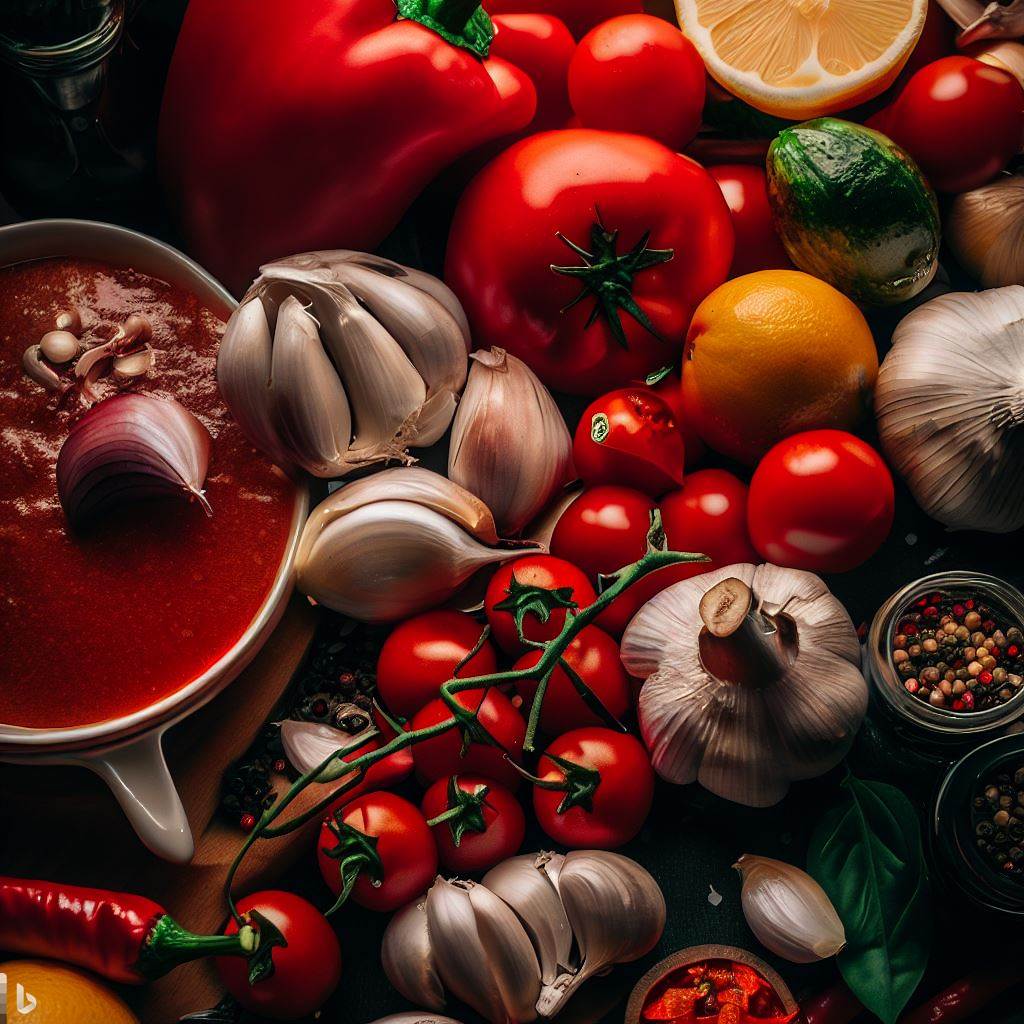
The Symphony of Spices: Understanding The Ingredients
- Red Pepper Flakes: If the tomato is the melody, the red pepper flakes are the accelerando—the part where the pace picks up and you lean a little closer to the stage. They bring heat but also a level of complexity to the sauce.
- Oregano: One of the key herbs in Italian cuisine, oregano offers earthy and minty notes. It’s like the syncopation in a music score—a little unexpected but utterly delightful.
- Red Wine: While not traditional, red wine adds a level of acidity and depth that few other ingredients can match. It’s like adding a string section to a piano concerto. You didn’t think you needed it, but once you hear it, you can’t imagine the piece without it.
There you have it, my dear epicureans. A sauce that’s not just a sauce, but a chapter in the ever-fascinating history book we call “food.” It is the embodiment of the saying that simplicity is the ultimate sophistication. Whether you’re a food historian, an aspiring chef, or someone who just loves a good pasta dish, Marinara has something for everyone.
Bon appétit, or as they say in Italy, Buon Appetito! 🍽️🎶
 Bites & Bytes
Leave a comment