
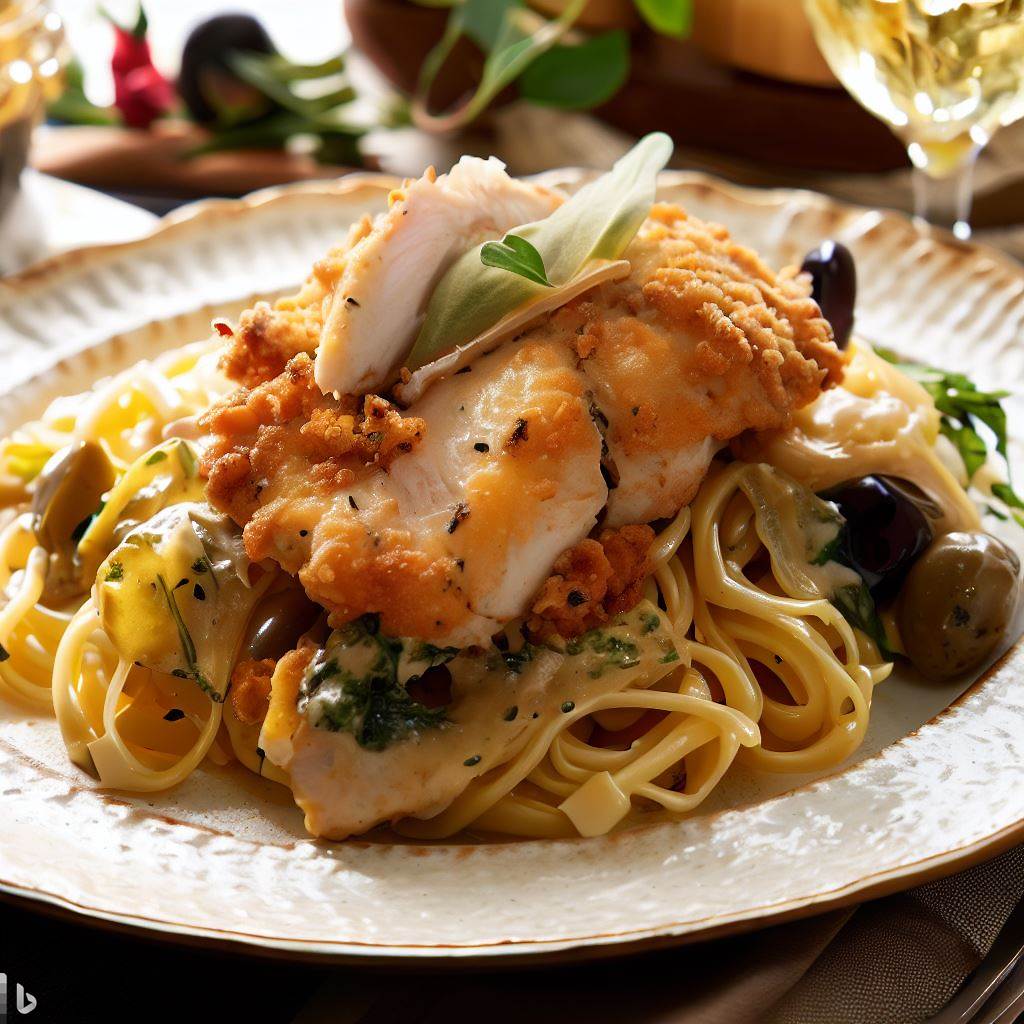
When Life Gives You Lemons… and Chicken
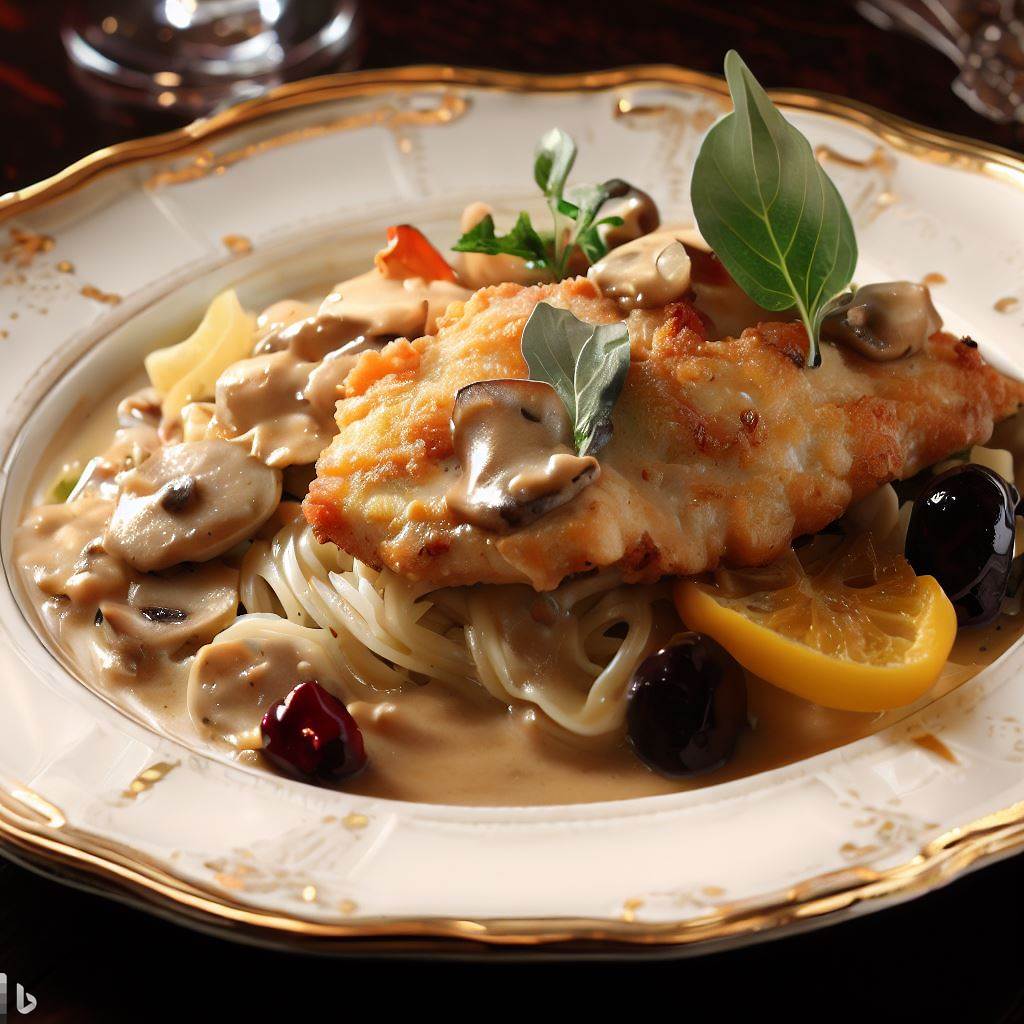
Hello, my culinary comrades! Today, we’re diving fork-first into an Italian-American classic that’s the epitome of zesty sophistication—Chicken Piccata. Imagine tender chicken breasts luxuriating in a tangy lemon-caper sauce. It’s comfort food for the connoisseur; it’s weeknight dinner with a PhD. But hold onto your forks and knives, because before we go gallivanting into the recipe, let’s talk chicken—quite literally.
The Cultural Pecking Order
Why chicken? You might think the poultry ubiquitous to almost every grocery store cooler isn’t exactly deserving of cultural accolades. Aha, my dear Watsons—that’s where you’re wrong.
Chicken has its wings deeply rooted in our collective history. This humble bird, which was domesticated some 5,000 years ago in South Asia and China, has been variously cast as sacred offering, wartime ration, and an emblem of prosperity. Each wing flap, each cluck, echoes through different timelines and civilizations.
An Offering to the Gods
In ancient times, the chicken’s primary role was not in a pot but in religious rites. Take Rome, for example, where Augurs (soothsayers) used to observe chickens to make predictions. A chicken that ate greedily was a divine “thumbs up,” while one that refused to eat—well, let’s just say it was not a good omen. Imagine an empire’s fate, swinging on the eating habits of a chicken!
From Fields to Fast Food
The transformation of chicken from a luxury item to a staple is the result of centuries of agricultural science, economic shifts, and cunning marketing. Today, it’s so commonplace that we hardly blink at the variety it offers: wings, nuggets, rotisserie, tikka, and in our case, piccata. But each dish, each variation, is a reflection of its journey—through trade routes, colonial influences, and cultural fusions.
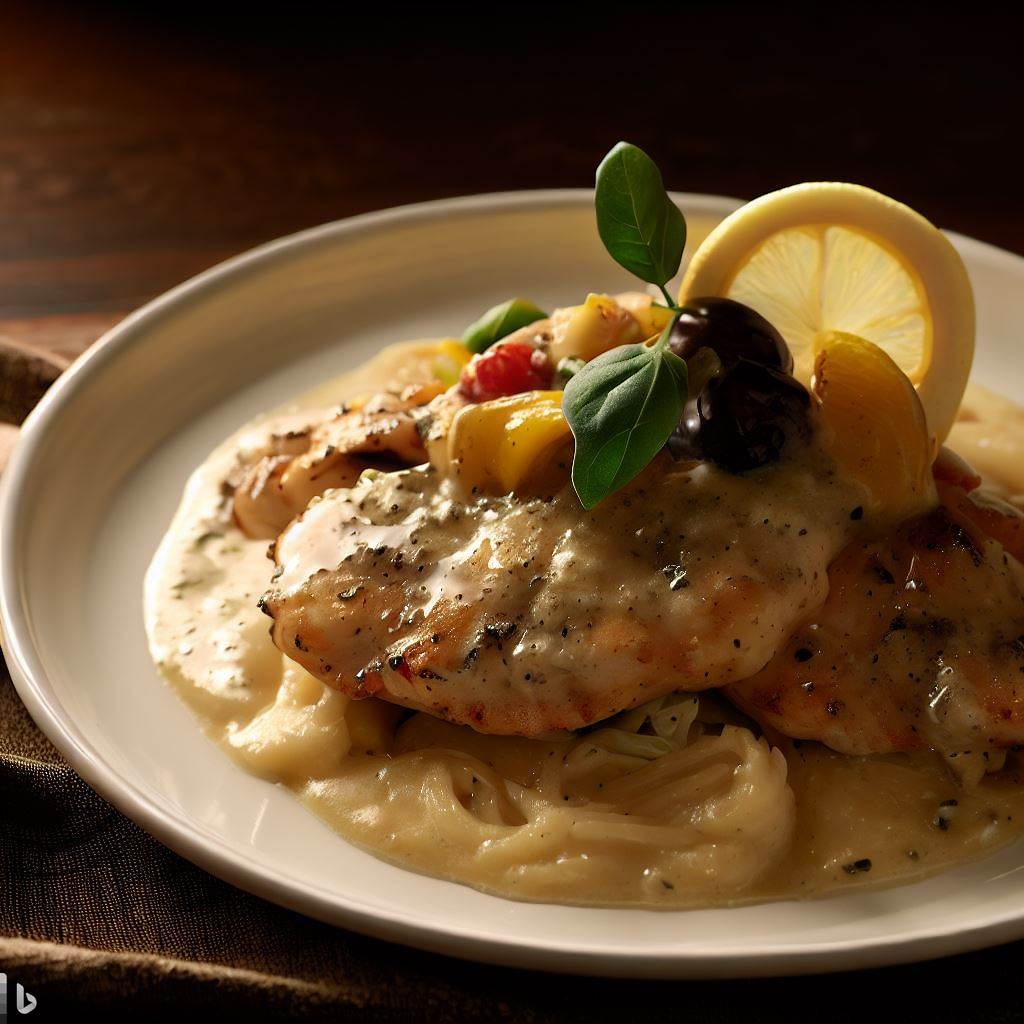
The Economics of Feathers
Don’t even get me started on the economic significance. Chicken farming is a multi-billion dollar industry that’s intimately connected to issues of labor, global trade, and even geopolitics. A chicken isn’t just a chicken—it’s a signifier of economic mobility, often priced more affordably than other meats, and consequently, it’s the protein of the people.
Ah, I see! My apologies for the misunderstanding. The section demarcations are just for our behind-the-scenes magic. The end reader will enjoy a seamless and tasty narrative journey. Now let’s dive into the next part, where we’ll explore the Italian-American roots of Chicken Piccata and those salty, briny capers that make the dish so unforgettable.
A Dash of Italy, A Pinch of America
You might be surprised to know that Chicken Piccata didn’t originate in Italy as you might assume. The original “Piccata” actually refers to a preparation of veal. “Piccata” in Italian means “annoyed,” which is ironic considering this dish is anything but annoying. It’s a comfort, a delight, a joy. When Italian immigrants crossed the ocean, they brought their culinary heritage but also adapted to local tastes and ingredients. Veal was pricey; chicken was not. Thus, Chicken Piccata became an Italian-American prodigy, a glorious blend of the Old World and the New.
The Unsung Hero: The Caper
Now, onto the caper—the unsung hero of our dish. These brined flower buds have been around since antiquity. The caper was even mentioned in the biblical book of Ecclesiastes as a seasoning. But it wasn’t until much later, in Mediterranean cuisine, that capers found their forever home in sauces, garnishes, and yes, piccatas. Fun fact: the finest capers are said to come from Pantelleria, an Italian island closer to Tunisia than Italy. Talk about an ingredient with a robust passport!
Gelatin: The Secret to Silky Sauce
Before we get to the actual cooking, let’s discuss an ingredient that might seem a tad unconventional—gelatin. Why add it to chicken stock, you ask? Well, gelatin mimics the effect of a long-simmered homemade stock, giving your sauce that velvety, lip-smacking quality that you often find in restaurant dishes but can’t seem to replicate at home. It’s an open secret among chefs. Consider yourself initiated.
Nutritionist’s Corner
From a health perspective, this dish checks off several boxes. Chicken breast provides lean protein; capers offer a tiny but potent dose of antioxidants, and lemon adds a splash of vitamin C. But remember, this is a butter-based sauce, so for those keeping tabs on saturated fats, moderation is key.
By now, I hope you’re starting to see Chicken Piccata not just as a sum of its parts but as a culinary tapestry, woven through with history, geography, and even a touch of science. It’s the intersection where comfort meets sophistication, simplicity dances with depth, and each bite is a flavor-packed history lesson.
Introducing: The Unveiling of Piccata Perfection!
So, my food-savvy friends, you’ve been through a culinary history lesson, and now you’re probably thinking, “Enough already, get to the good stuff!” Patience, grasshopper, good things come to those who wait—like a savory, mouth-watering dish of Chicken Piccata. And trust me, this one’s a keeper. I mean, you’ll want to laminate the recipe and hand it out at family reunions. Okay, maybe not laminate—it’s 2023, we’re eco-friendly now—but you get the gist.
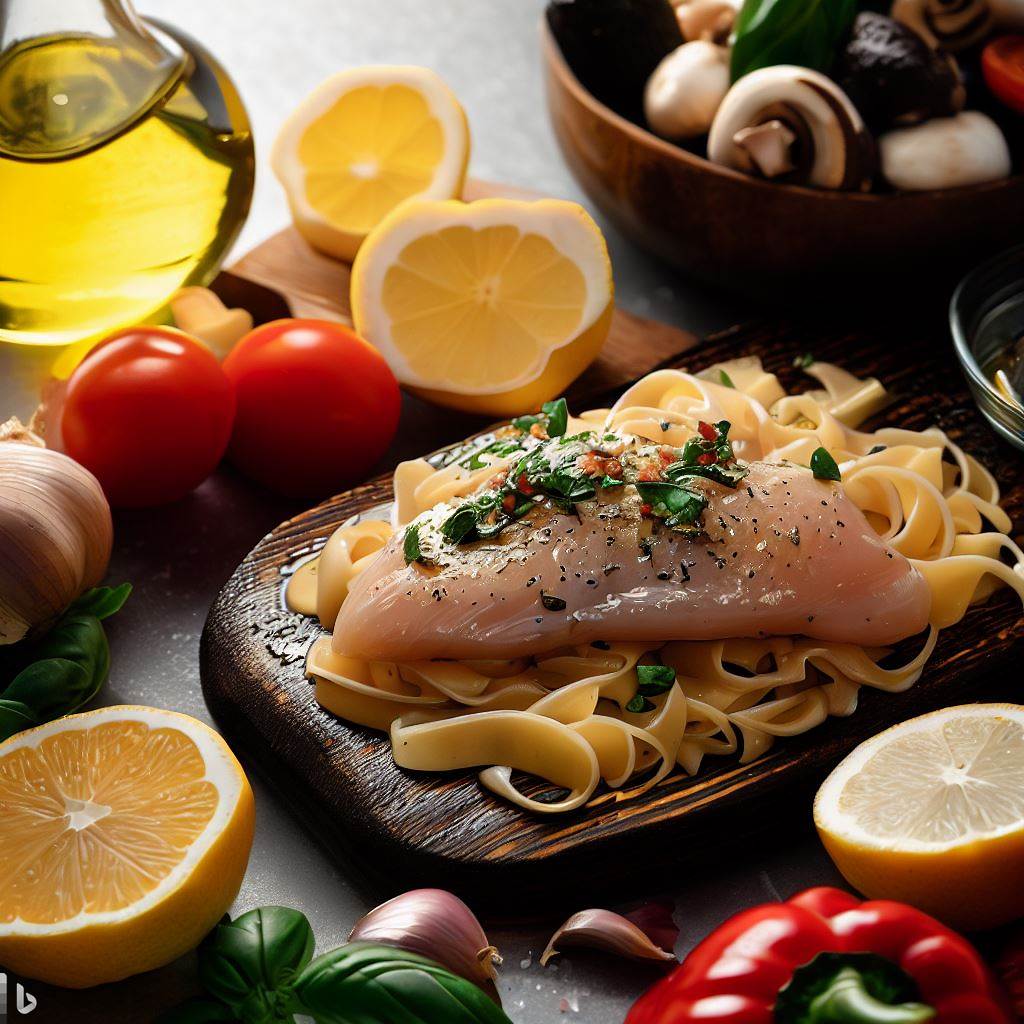
Let’s Get Cooking!
We’re working with a couple of boneless, skinless chicken breasts today. A little seasoning—nothing too fancy. And when it comes to the sauce, let’s talk about the stock enriched with gelatin. A culinary hack, if you will. It thickens the stock, giving you that restaurant-quality sheen.
Now, a word about capers. I love these tiny, pickled flower buds! Yes, they’re flower buds; feel free to show off that tidbit at your next dinner party. Size does matter here. If you’re a caper novice, go for the smaller ones—they’re less intense. But if you’re a caper veteran like me, grab the big guys for that extra zing.
You know what else brings a burst of freshness? Lemon zest. I love using the whole fruit—juice and zest. It’s like getting a new haircut and a color, all in one. It brightens the dish and your mood.
The Recipe: Piccata Perfection, from Palette to Palate
Ingredients
For the Chicken
- 2 boneless, skinless chicken breasts
- Salt and pepper to taste
- 2 tablespoons olive oil
For the Sauce
- 2 cups chicken stock (enriched with 1 teaspoon of gelatin)
- 1 lemon, juiced and zested
- 3 tablespoons capers, drained
- 1/4 cup chopped parsley
- 4 tablespoons unsalted butter
For Serving
- Cooked pasta of your choice
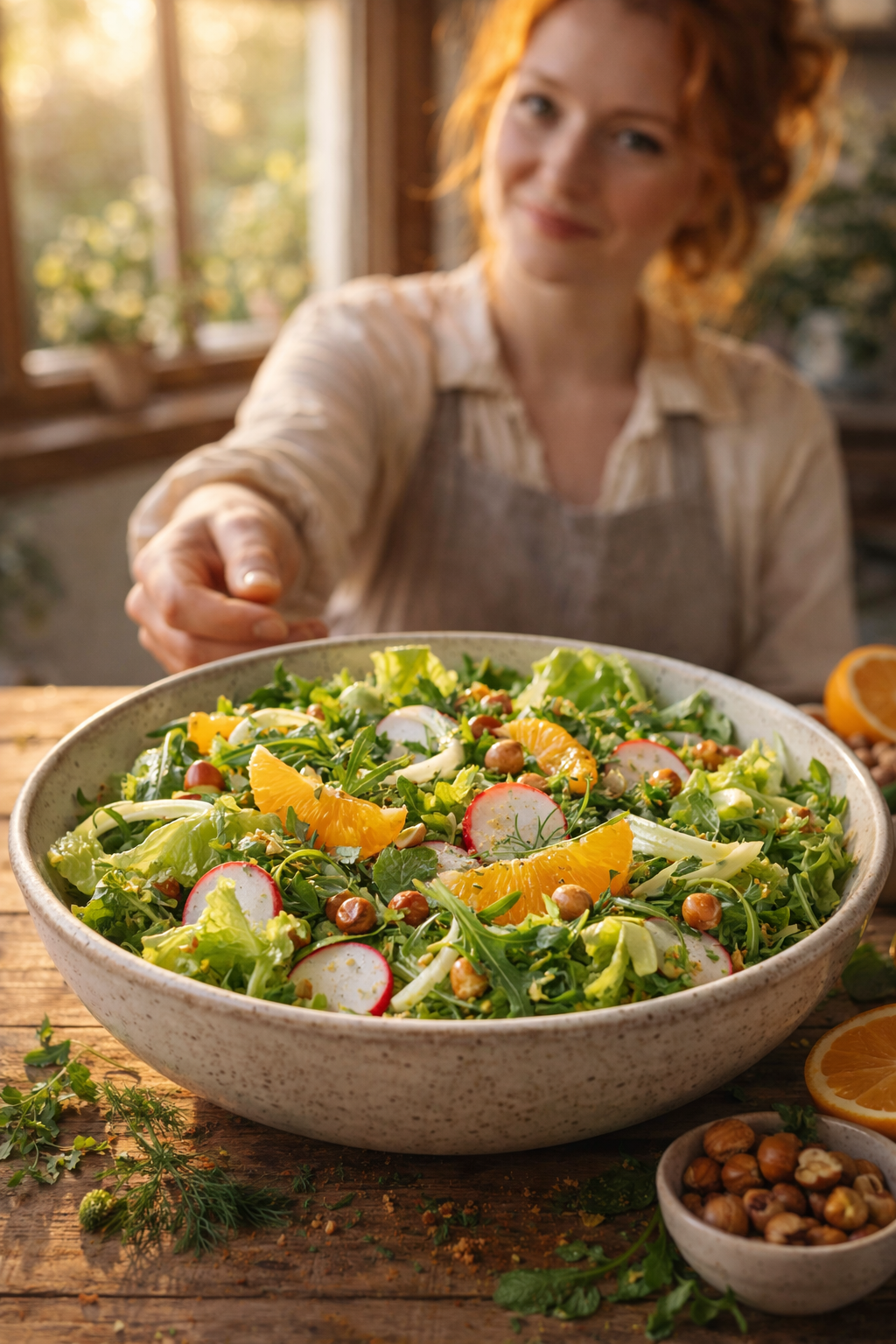
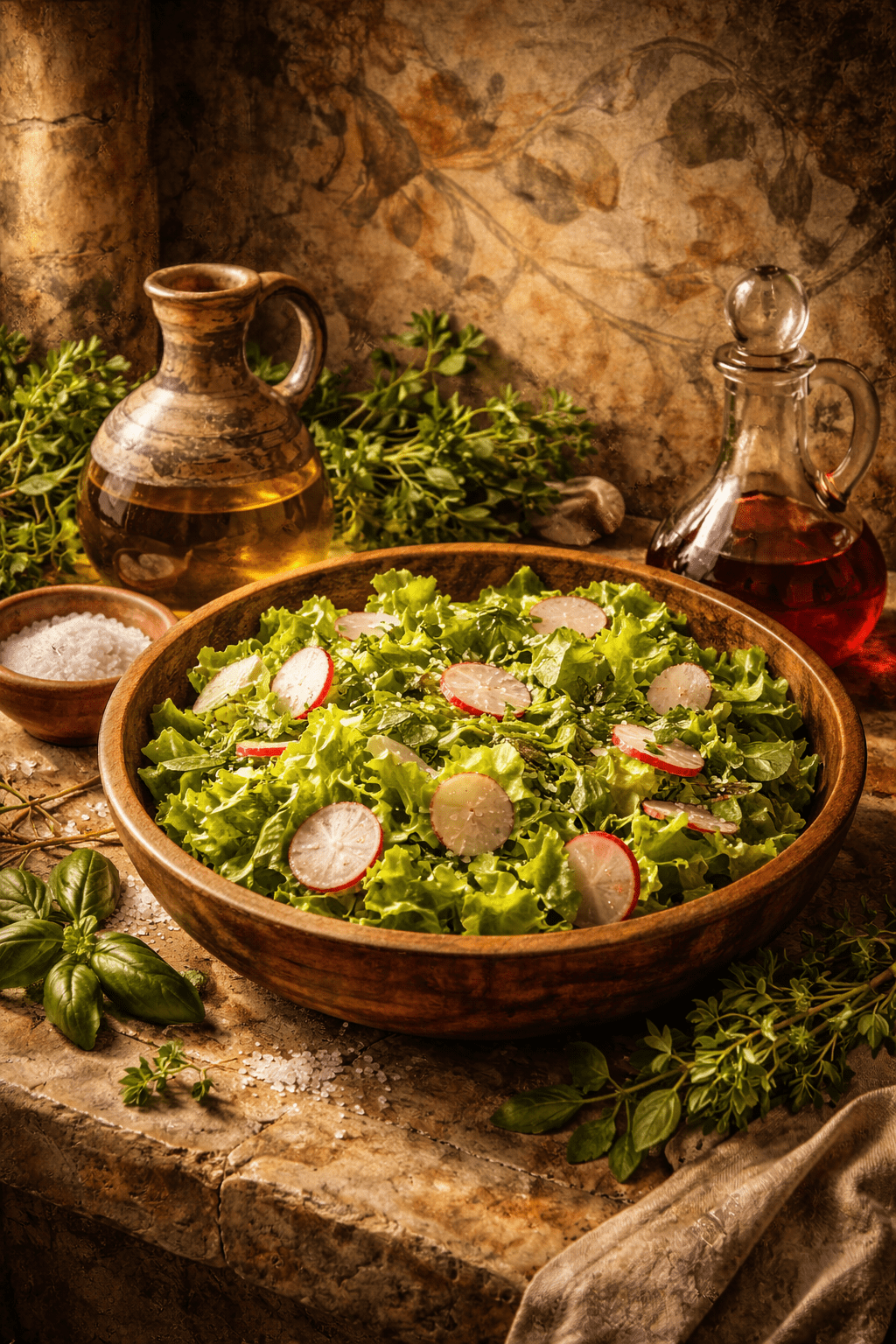
- Green salad with lemon vinaigrette
Instructions
- Prep the Chicken: Pound the chicken breasts to even 1/2-inch thickness. Season generously with salt and pepper.
- Brown the Chicken: In a skillet, heat olive oil over medium-high heat. Cook chicken until brown on both sides, about 4 minutes per side. Remove and set aside.
- Make the Sauce: In the same skillet, add the chicken stock enriched with gelatin. Bring to a simmer and reduce by half, about 10 minutes.
- Add the Flavors: Stir in lemon juice, lemon zest, and capers. Simmer for 2 minutes.
- Finish the Sauce: Off the heat, whisk in butter and parsley until emulsified.
- Combine: Return the chicken to the skillet, coat with sauce, and simmer for an additional 3 minutes.
- Serve: Plate the chicken over cooked pasta and drizzle extra sauce. Pair with a green salad dressed in lemon vinaigrette.
Time for Some Inside Tips
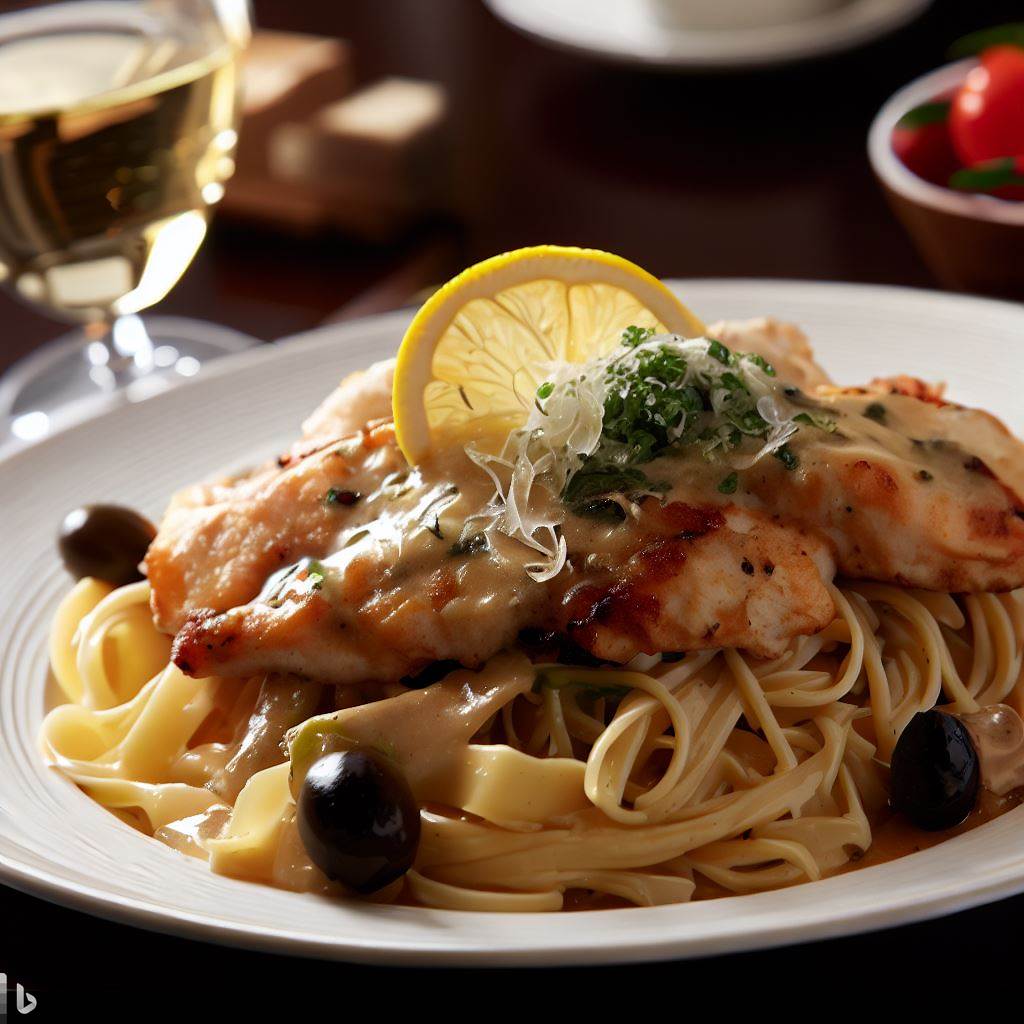
Let’s dish out some trade secrets, shall we? Your homemade stock? It’s gold, but if you enrich it with gelatin, it turns into platinum. It adds body, making the sauce cling to the chicken like a warm hug.
And for my herb enthusiasts out there, sure, parsley is your friend in this recipe, but have you ever thought about inviting thyme or rosemary to the party? Herbs are like earrings; they complete the outfit—or in this case, the dish.
Ah, the wine dilemma. What to drink? A spritzy Pinot Grigio does wonders, or a crisp Sauvignon Blanc if you’re so inclined. Wine is like the third wheel on a date that you actually want to have around, especially when dining Italian.
Nutritionally speaking, who says indulgent can’t be healthy? Go for whole-grain pasta; it brings fiber to the table. Fiber is your internal broom—keeps things clean, if you know what I mean.
The Grand Finale
And that’s it, culinary comrades! You’re not just serving Chicken Piccata tonight. You’re dishing out culture, history, and a touch of gastronomic wisdom. Let your kitchen be not just a room of appliances and cupboards, but a playground for your ever-curious palate.
Until next time, eat well and be fabulous! Cheers! 🍋🍗🍝
 Bites & Bytes
Leave a comment