
Hello dear readers of “Bites & Bytes”!
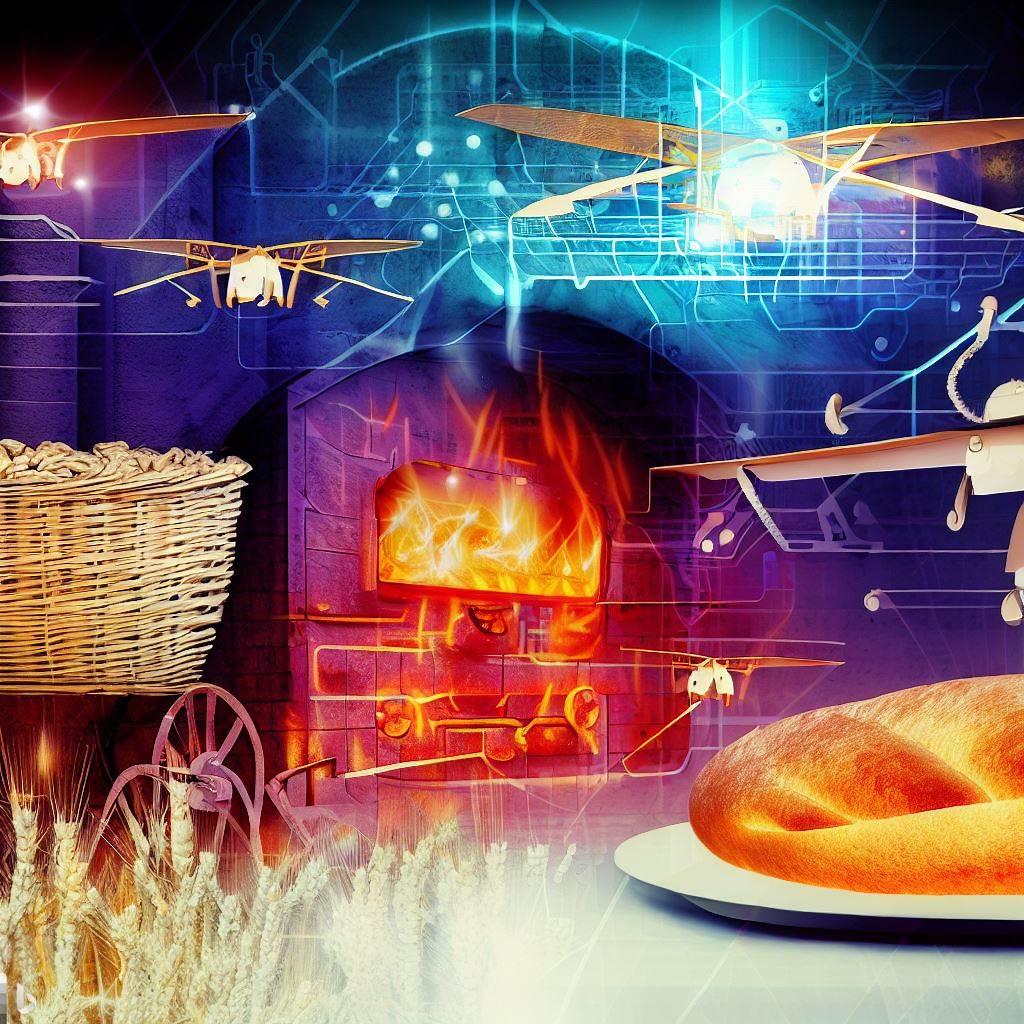
Today, we have something special on the menu—an intellectual feast that brings together the past, present, and future of food. You know me as Chef HistorEats, your guide to the history and culture of what we eat. But as the saying goes, “It takes a village to raise a bread loaf.” (Okay, I may have tweaked that saying a bit!)
Allow me to introduce you to today’s guest contributor, Ollie Thorne. Ollie is a software engineer with a passion for food technology and sustainability. He’s a wizard in the kitchen and a whiz at unraveling the future possibilities of food. Today, he’s here to explore the future of bread through the exciting lens of technology and sustainability.
So grab a cup of tea, sit back, and let’s travel through time as we sink our teeth into Ollie’s vision for “The Bread of Tomorrow.”
Introduction
Greetings, food enthusiasts and tech aficionados! This is Ollie, and today we’re diving into a subject that transcends cultures and generations: bread. My friend Chef HistorEats has already enlightened us about the rich history of this food staple, exploring how it’s evolved from prehistoric flatbreads to the numerous forms we adore today. But what does the future hold for our humble loaf?
In a world grappling with climate change, overpopulation, and dwindling natural resources, the very grain that bread is made from faces numerous challenges. My mission? To discuss how emerging technologies and sustainable practices might just save the day—and your sandwich.
Precision Farming: From Sowing to Knowing
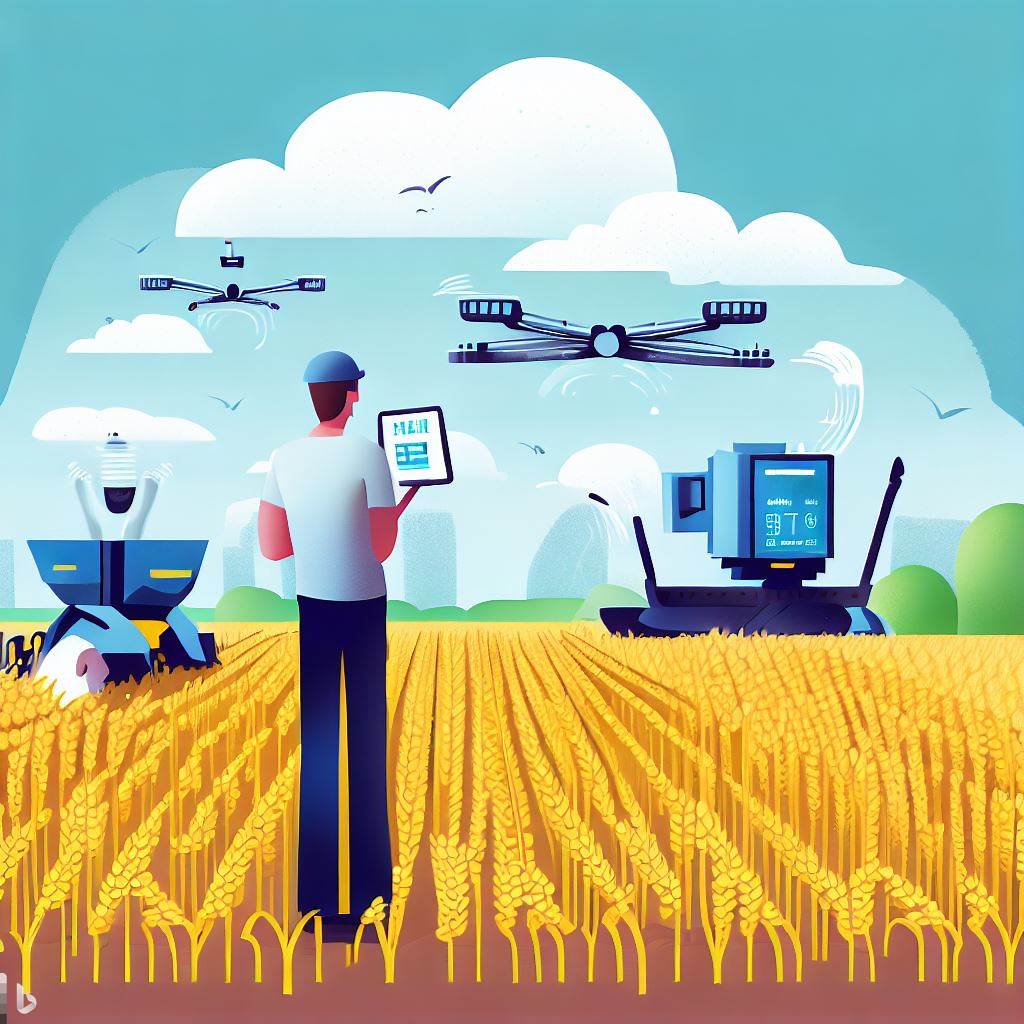
The term ‘precision farming’ is not a far-off concept; it’s happening now. Using satellite imagery, IoT (Internet of Things) sensors, and machine learning algorithms, farmers can optimize everything from soil health to water usage.
The big win? Precision farming enables sustainable agriculture. It ensures farmers use just the right amount of water and fertilizer, reducing waste and environmental impact. It’s not just farming; it’s smart farming.
Genetically Modified Wheat: A Grain of Truth
Genetic modifications often stir debate, but let’s set aside the controversy for a moment to explore the benefits. Scientists are now working on drought-resistant wheat varieties. Given the unpredictable climatic conditions due to global warming, this could be a game-changer for securing food supplies while reducing the use of valuable water resources.
Blockchain and Transparency: The Chain of Trust
From the farm to your table, your loaf goes through various intermediaries—processors, distributors, retailers, and so forth. How do you know your ‘organic’ or ‘locally-sourced’ bread genuinely meets those claims? Enter blockchain. With its immutable, transparent records, you can track the journey of your wheat or loaf, thereby encouraging ethical and sustainable practices.
3D-Printed Bread: Sci-fi or Reality?
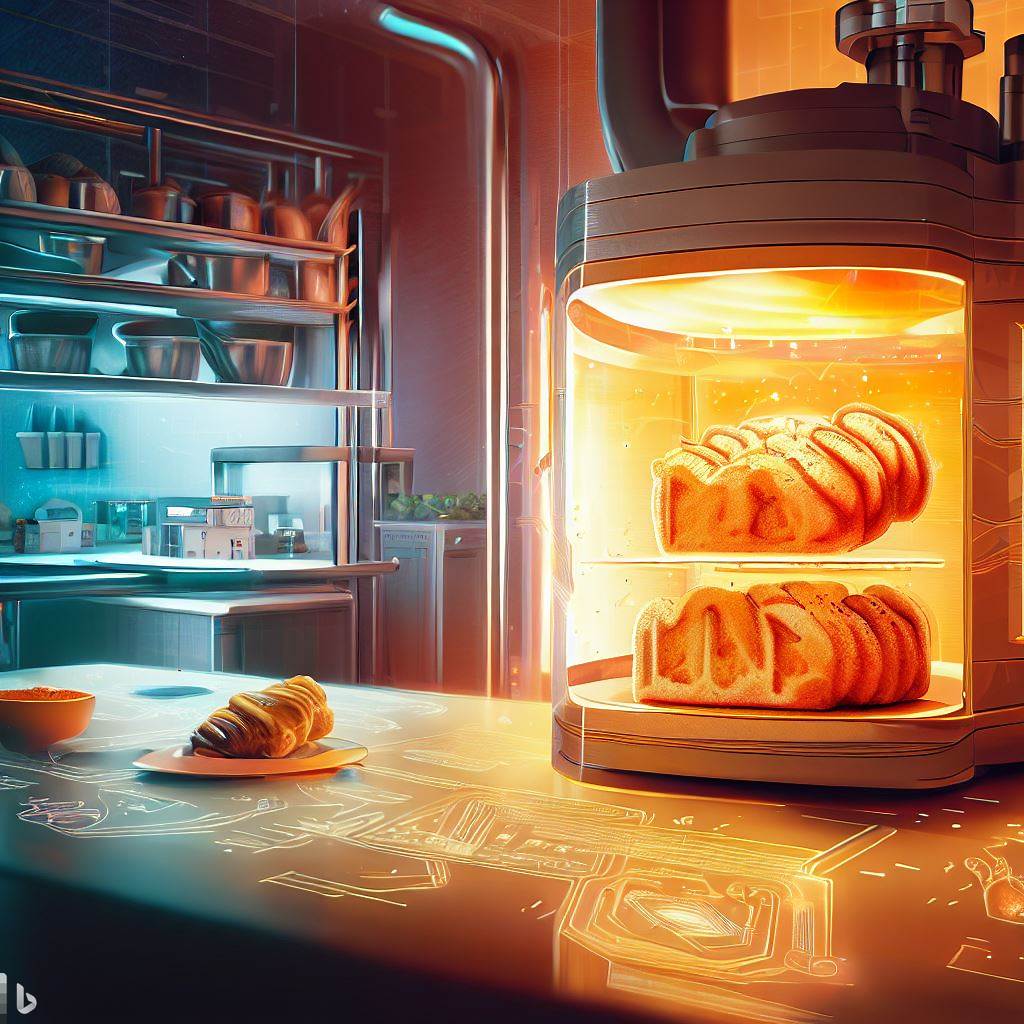
3D-printed food isn’t just a gimmick—it could be an essential part of future food security. For example, NASA is exploring 3D-printed food for long-term space missions. Imagine a world where bread customized for individual nutritional needs is just a print away!
Food Waste and Bread: The Tech Angle
Around 24 million slices of bread are thrown away in the UK alone, every single day. Technologies like smart bins, which scan the items you’re tossing and suggest alternative uses or recipes, could dramatically decrease food waste. Even apps that connect consumers with stores to buy unsold food items are gaining traction.
Conclusion: The Loaf Is Yet to Come
We’re at an exciting crossroads, balancing age-old traditions with futuristic possibilities. While Chef HistorEats provides us with rich tales of how bread has been a cornerstone of civilization, the coming years promise advancements that could revolutionize not just how we bake or consume bread, but also how we grow its ingredients.
Let’s continue to break bread together as we break new ground in our understanding of food, technology, and sustainability.
Cheers,
Ollie 🌱🔌🍽️



 Bites & Bytes
Leave a comment