
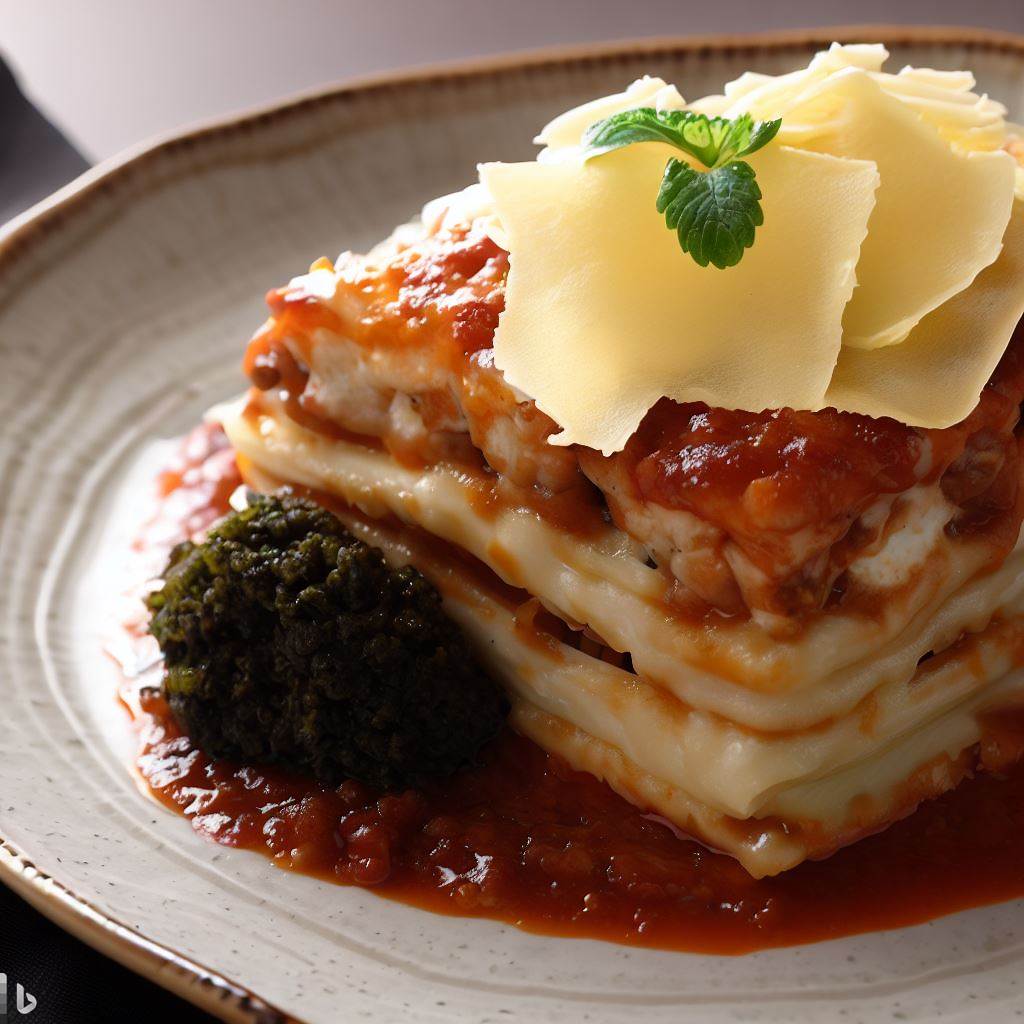
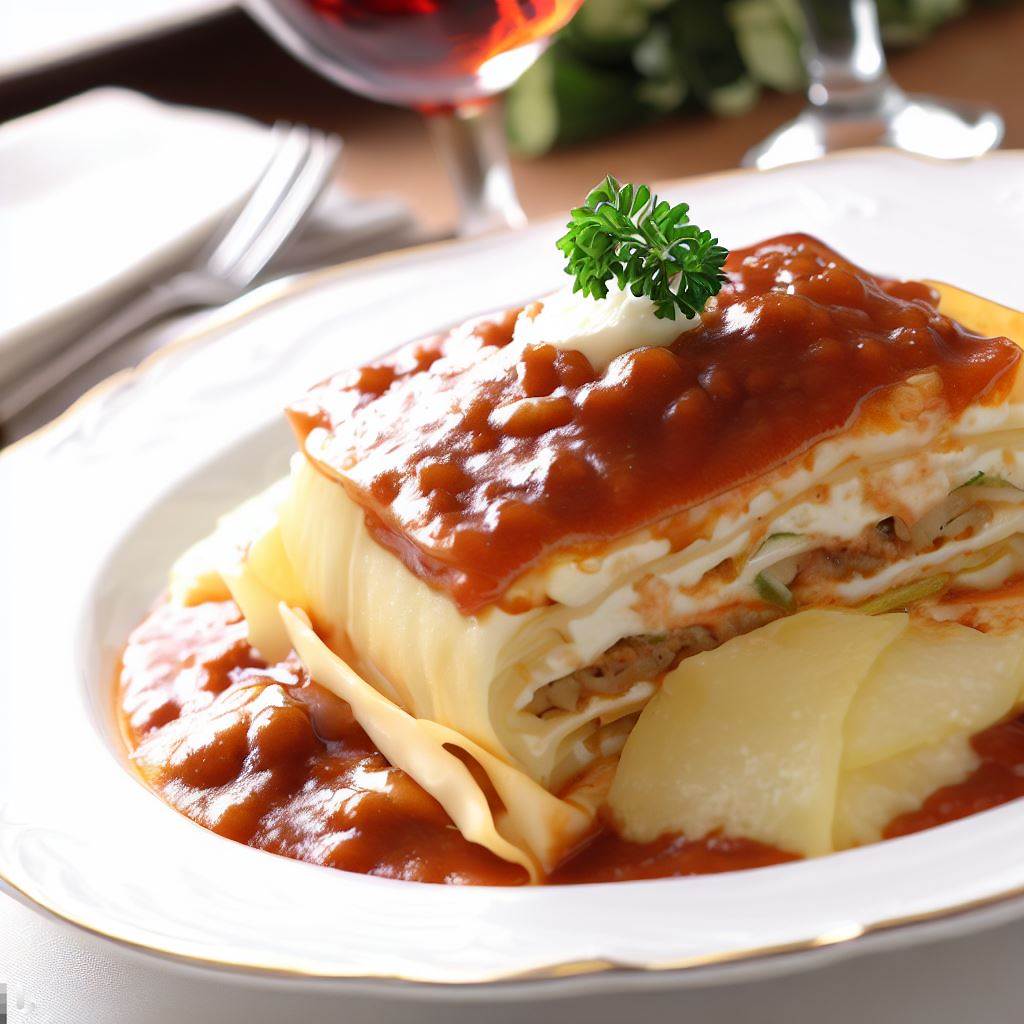
Hello, dedicated readers of Bites & Bytes! Chef HistorEats back again with a special deep-dive into a dish close to many of our hearts: lasagna. Today, we’re not just unearthing recipes; we’re delving into the cultural, economic, and historical significance that makes lasagna so much more than a hearty meal.
“Lasagne” vs “Lasagna”: A Linguistic Layer
While the words “lasagne” and “lasagna” are often used interchangeably, they have distinct meanings that reveal the intricacies of language and how it evolves with culture. “Lasagne” is the plural form of the word in Italian, used to refer to the dish in its entirety. This is because the dish comprises multiple sheets of pasta, making the plural more accurate in the native language.
“Lasagna,” on the other hand, is the singular form and is commonly used in American English to refer to the dish as a whole. The Americanized version often features modifications that align with local tastes, such as a higher cheese-to-sauce ratio or the inclusion of ‘foreign’ ingredients like cottage cheese.
The difference in terminology also subtly hints at the communal nature of food in Italian culture. “Lasagne,” being plural, suggests a dish shared among many, while “lasagna,” in its singular form, aligns with the American ideal of individual servings. This is more than a grammatical quirk; it’s a linguistic lens through which to view cultural nuances about community, consumption, and the communal act of eating.
The Ancient Roots: More Than a Name
The roots of lasagna can be traced back to Ancient Greece where the term “Laganon” was used to describe a flat sheet of pasta dough cut into strips. These strips were layered and baked, a rudimentary precursor to the lasagna we know today. This reveals an interesting linguistic and cultural exchange that predates even the Roman Empire. In fact, this antiquated dish might have played a part in cross-cultural dialogues, influencing culinary traditions well beyond the Greek city-states.
The Italian Revolution: Cheese and Béchamel
While the concept of lasagna was not an Italian invention, the dish’s evolution into its modern form occurred in Medieval Italy. The introduction of cheese—especially ricotta and Parmesan—transformed it from a simple pasta dish to a sumptuous feast. The addition of béchamel sauce during the Renaissance period further elevated the dish, making it suitable for special occasions and festivities. This transformation not only signifies culinary evolution but also social changes; lasagna was no longer food for the masses but a dish that marked celebrations and social gatherings.
Regional Variations: A Microcosm of Italy’s Diverse Culture
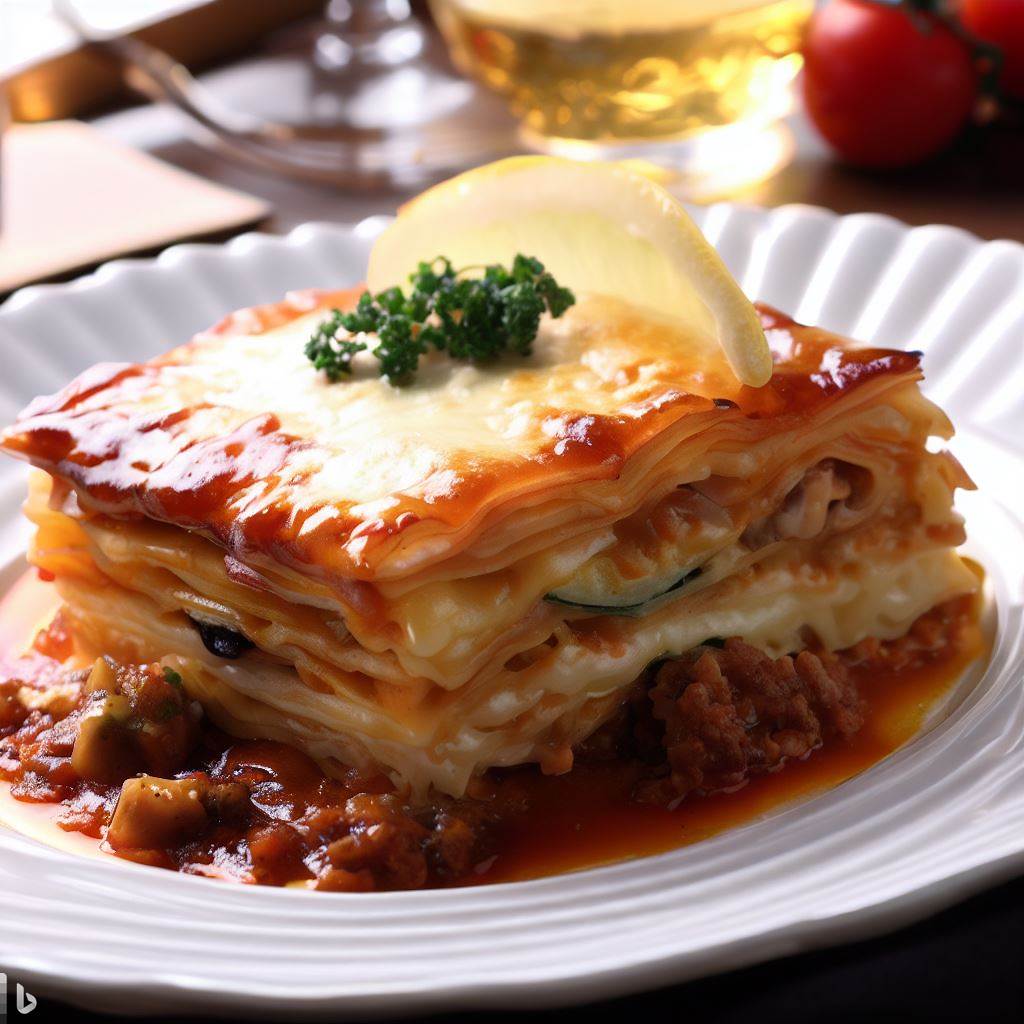
Like many traditional Italian dishes, lasagna varies dramatically from region to region, reflecting the diverse cultural landscape of the country. Lasagna alla Bolognese, from Emilia-Romagna, uses a meaty ragù and béchamel, epitomizing the hearty agricultural traditions of the region. Meanwhile, Neapolitan lasagna incorporates elements like hard-boiled eggs and small meatballs, reflecting the culinary amalgamation resulting from Naples’ position as a historical trade hub.
The Economic Angle: From Luxury to Everyday
Lasagna has also seen a fascinating economic journey. Once a luxury dish savored on special occasions, advances in food production and global trade have made its ingredients—like cheese and quality meats—more accessible. This democratization of lasagna parallels broader economic shifts, from agrarian societies to industrialized nations, where gourmet foods have become everyday staples for many.
Modern Takes: Fusion and Inclusion
Today, lasagna is as multicultural as the societies it’s found in. The United States alone offers myriad versions, from vegetarian and vegan options to fusion variations like “Mexican Lasagna,” which replaces pasta layers with tortillas. This diversity is a testament to lasagna’s universal appeal and its ability to adapt and resonate with various cultural identities.
Culinary Insights: The Perfect Layering Technique
In the culinary world, lasagna is often viewed as a dish that teaches patience and layering skills. The act of layering ingredients in a specific order, ensuring even cooking, and achieving the perfect melt of cheeses is almost ritualistic. Chefs and home cooks alike value lasagna as a dish that can be both forgiving and demanding, making it an excellent canvas for culinary creativity.
Recipe: Classic Lasagna with a Twist
I know you’ve been waiting for this part—time for a recipe! In this version, I’ve blended ancient grains with modern cooking techniques for a lasagna that’s both deeply rooted in history and deliciously innovative.
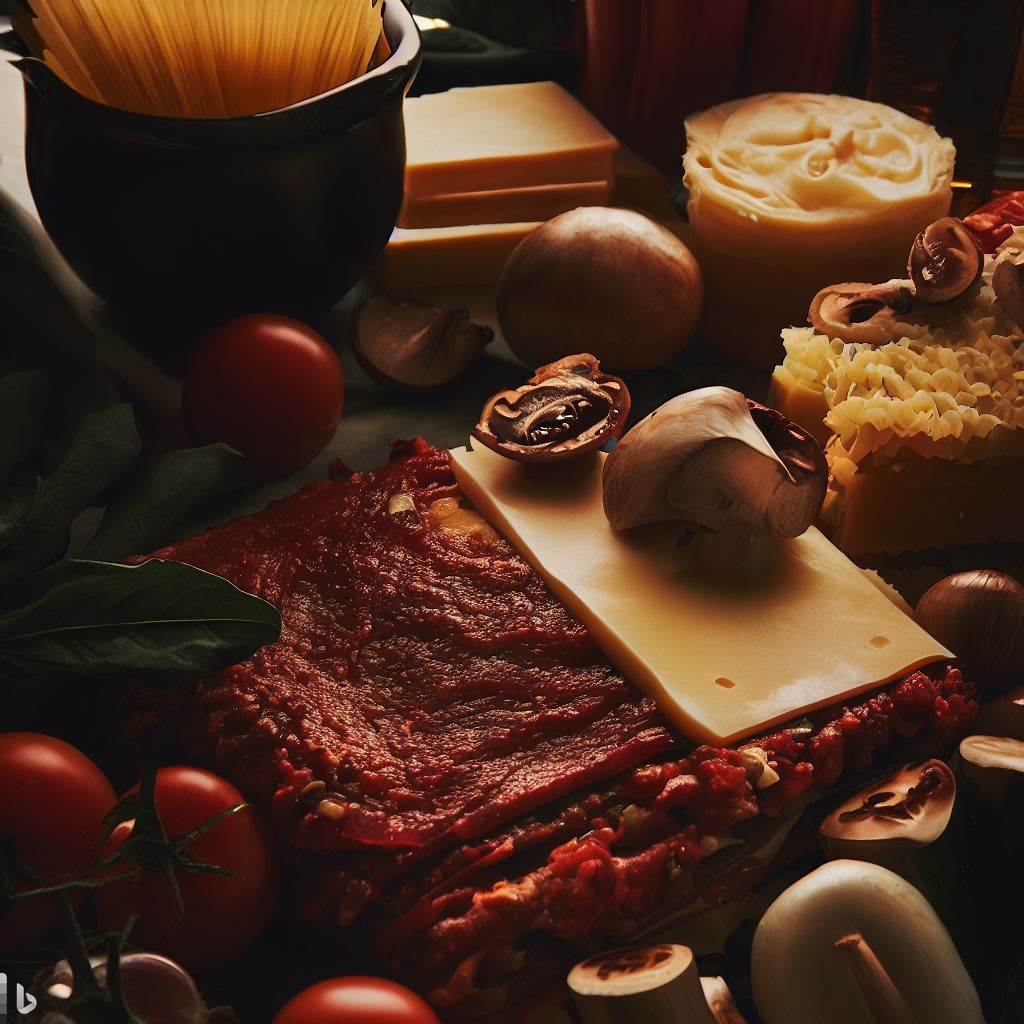
Ingredients:
- 9 lasagna noodles (made from einkorn or spelt flour)
- 2 cups ricotta cheese
- 1 cup grated Parmesan
- 2 cups shredded mozzarella
- 2 ½ cups marinara sauce
- 1 lb ground beef or turkey (optional)
- 1 cup béchamel sauce
- Fresh basil for garnish
Steps:
- Preheat your oven to 375°F (190°C).
- Cook the lasagna noodles according to package instructions, but subtract 2 minutes for a slightly firmer texture.
- In a pan, cook the ground meat until browned. Add 2 cups of marinara sauce and simmer for 10 minutes.
- In a bowl, mix ricotta, half of the grated Parmesan, and a pinch of salt and pepper.
- In a 9×13-inch baking dish, spread a thin layer of marinara sauce.
- Layer as follows: 3 noodles, half of the ricotta mixture, half of the meat sauce, and a third of the mozzarella.
- Repeat the layering, finishing with the last 3 noodles.
- Pour béchamel sauce over the final layer of noodles and top with remaining mozzarella and Parmesan.
- Cover with foil and bake for 25 minutes. Remove foil and bake for another 10 minutes or until the top is bubbly and golden.
- Garnish with fresh basil before serving.
Conclusion
Lasagna, with its complex layers, mirrors the complexity of the worlds it comes from. From its ancient roots to its modern interpretations, it’s a dish that has witnessed empires rise and fall, economies flourish and change, and societies blend and diversify. As you take each bite, remember you’re not just eating food; you’re consuming centuries of history, culture, and innovation.
Until next time, may your dishes be as rich as the stories they tell!
Chef HistorEats 🍴📜🌍



 Bites & Bytes
Leave a comment