
 Welcome, Culinary Time Travelers!
Greetings, culinary time travelers! Chef HistorEats here, wielding both a spatula and a timepiece. Today, we’re setting our sights on a dish that’s as multifaceted as the mosaic tiles of a Spanish plaza—paella! This culinary gem has a backstory as vivid as its colorful ingredients. So, strap on your aprons and buckle your seat belts; it’s time for a gastronomic adventure!
Unearthed Origins: The Agricultural Backbone of a Nation
Before we dive into the pan, let’s lay some historical groundwork. Imagine the Valencia region of Spain, where fields of Calasparra rice stretch as far as the eye can see. Laborers toil under the Mediterranean sun, then gather to cook a communal meal using the bounty of the land, like local game such as rabbit and duck. But did you know that rice was initially brought to Spain by the Moors in the 8th century? Yes, the roots of paella dig deep, intertwining agriculture, conquest, and survival in a tapestry of historical complexity.
From Pan to Phenomenon: Unpacking the Etymology and Culture
The word “paella” isn’t just a term for a delicious dish; it’s also the name of the wide, shallow pan used to cook it. Originating from the Old French word “paelle,” which finds its roots in the Latin word “patella,” the pan itself has become a culinary icon. And, my friends, an icon always has a story to tell. Throughout history, the paella pan has been a communal tool, a focal point that brings people together in celebration or after a hard day’s work. It’s a symbol of unity, a culinary cauldron of collective identity.
The Saffron Connection: A Global Trade History Captured in a Single Spice
 Ah, saffron—the gold of the spice world, both literally and metaphorically. Its delicate filaments are plucked meticulously by hand, infusing the rice with an otherworldly golden hue. But where does saffron come from? Its origins trace back to ancient Persia, and it found its way into Spain through centuries of global trade routes. This spice was so treasured that it was often used as a form of currency and was a sign of wealth and prestige in medieval Europe. So, when you savor that fragrant saffron aroma, you’re not just indulging your senses; you’re inhaling a narrative of international trade, cultural exchange, and economic history.
The Melting Pot of Variations: A Geo-Culinary Exploration
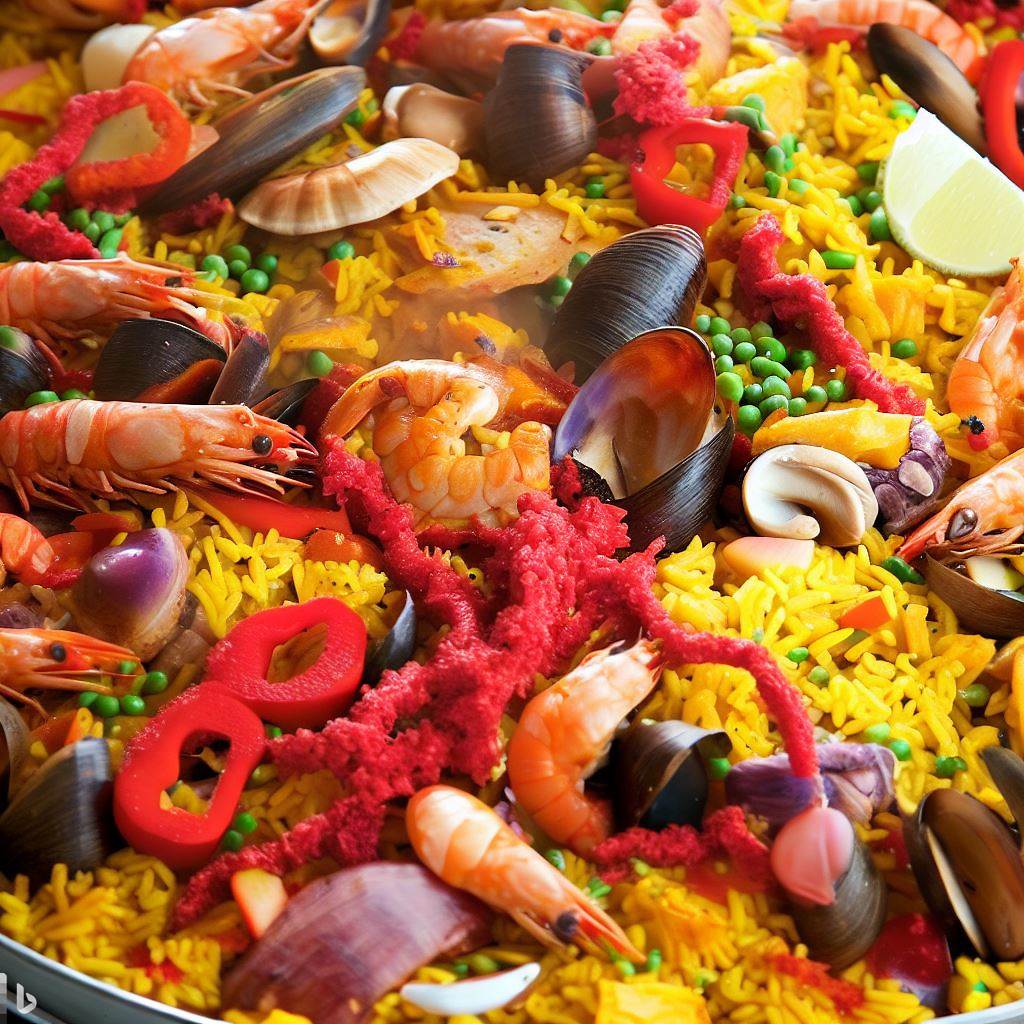
While the classic Valencian paella features rabbit, chicken, and vegetables, paella has been reinterpreted in countless ways over the centuries. From the brimming seafood dishes along the coastal regions to the hearty game meat paellas of the inland areas, each version is a gastronomic narrative of its specific locale. And let’s not forget the modern vegetarian and vegan adaptations that cater to a more ethically diverse audience. Paella is more than a recipe; it’s a template that adapts and evolves, reflecting the ever-changing human landscape.
The Recipe: Seafood Paella, a Modern Twist on an Ancient Dish
Ready to embark on a culinary time-travel? Let’s roll up our sleeves and craft a Seafood Paella that encapsulates the past, tickles the present, and nods to the future.
Ingredients:
-
- 2 cups Arborio or Calasparra rice
- 1 lb mixed seafood (shrimp, squid, and mussels)
- 4 cups chicken or vegetable broth
- 1 teaspoon saffron threads
- 1 bell pepper, sliced
- 1 cup peas
- 2 tomatoes, diced
- 3 tablespoons olive oil
- Lemon wedges for garnish
- Salt and pepper to taste
Instructions:
-
- Set the Stage: Preheat your modern-day cauldron (a.k.a. your paella pan) over medium heat and add olive oil.
- Sauté the Seafood: Briefly cook the shrimp and squid until just opaque, capturing their oceanic essence. Remove and set aside.
- The Rice Canvas: Add the rice to the pan and stir to coat it in the residual oil and seafood juices. Think of the rice as a blank parchment where we will script our edible history.
- Liquid Gold: Pour in the broth and sprinkle in the saffron threads. Watch as the saffron blooms, transforming your pan into a golden landscape.
- Vegetable Orchestra: Add the sliced bell peppers, peas, and diced tomatoes. Stir well, allowing each ingredient to play its part in the symphony of flavors.
- Simmer and Steam: Lower the heat and let the paella simmer until the rice is cooked and has absorbed all the liquid. Arrange the seafood on top and cover to steam for an additional 5 minutes.
- Lemon Squeeze: Before serving, garnish with lemon wedges to add a touch of modern zest to this ancient dish.
- Serve and Celebrate: Dig in, and as you savor each bite, ponder the centuries of history, culture, and humanity encapsulated in your meal.
 The Future of Paella: The Dish that Will Not Stand Still
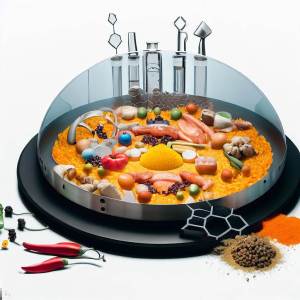
As we become increasingly interconnected in this globalized world, expect to see even more innovative takes on paella. From molecular gastronomy techniques to sustainably sourced ingredients, the future of this timeless dish is as boundless as our collective imagination.
Final Thoughts: Savor the Journey
So, the next time you’re stirring a pan of paella, I invite you to dig a little deeper into each ingredient’s historical roots and cultural significance. Remember, flavors are the footprints of culture; follow them, and they’ll lead you somewhere delicious. Stay curious, culinary adventurers, and continue exploring the diverse world of food! 🕰️🍴
👩🍳 Want more recipes and food history? Follow me on social media, where I sprinkle bits of historical spice amid a feast of modern culinary tales. 📜🔍🍽️
 Bites & Bytes
Leave a comment