
A Curious Cravings Guest Post by Sebastian “Seb” Greenfield
Hey there, fellow food explorers and sustainability advocates! I’m Sebastian Greenfield, but you can call me Seb. I’m thrilled to be a guest contributor to the Bites & Bytes blog series. As a photographer, urban forager, and co-blogger at Curious Cravings, my life revolves around the magic that happens at the intersection of food, art, and sustainability.
Before I dive into today’s topic, let me share my custom Spotify playlist that I think captures the essence of this piece—Sounds of Sustainability.
Rethinking Rice: The Water Footprint 🚰
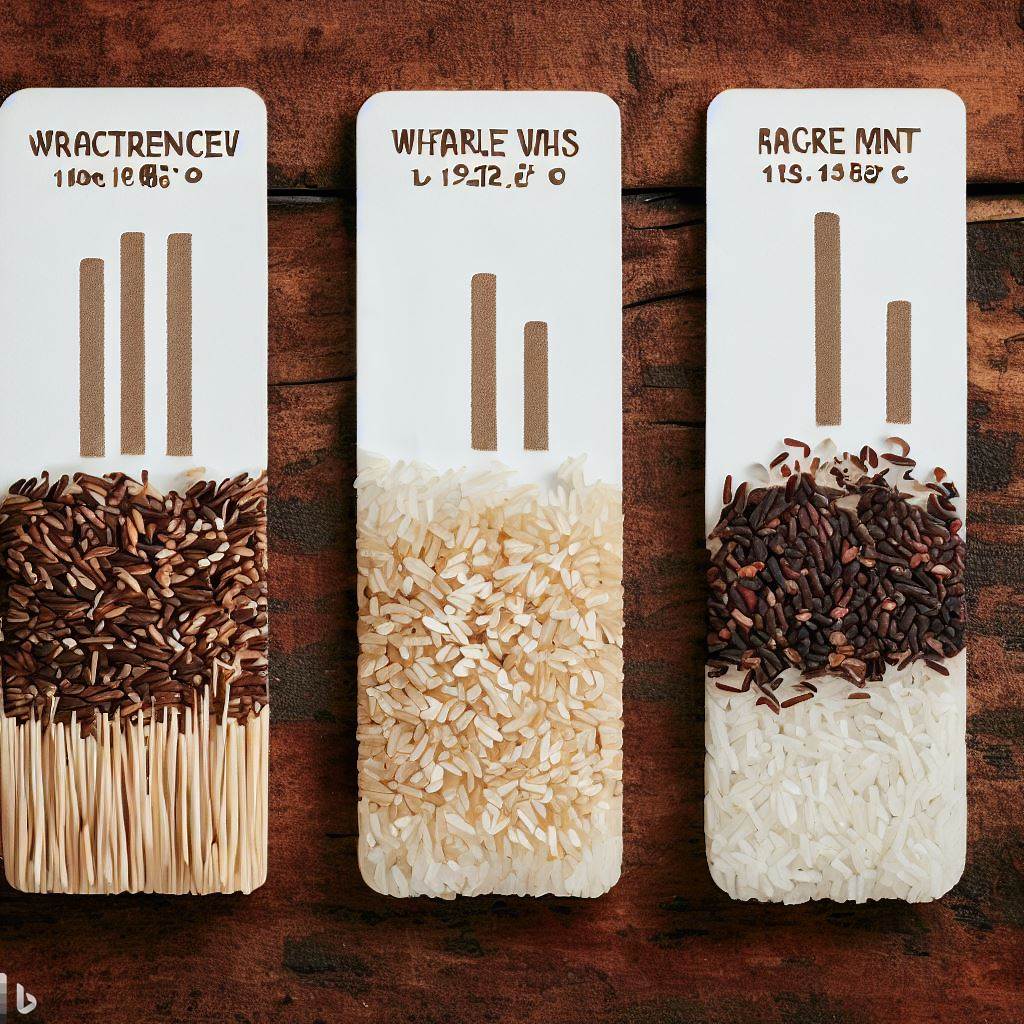
You may love the comforting bowl of jasmine rice accompanying your curry, but did you ever stop to consider how much water it took to get that rice onto your plate? Traditional rice farming is a thirsty business, requiring up to 2,500 liters of water to produce just one kilogram of white rice. With water scarcity looming on the horizon, this could be a major issue for future generations.
According to a study by Water Footprint Network, the global average water footprint—freshwater use per kilogram—for rice is approximately 2,500 liters. If we put that into perspective, it’s like filling up 50 bathtubs for a single kilogram of rice!
The Forager’s Choice: Wild Rice 🌾
Now, meet the humble and underrated hero: wild rice. Unlike its popular cousins, this ancient grain is not technically rice but rather a type of grass. Native to North America, it grows in shallow waters and doesn’t require the kind of irrigation that standard rice does. This water-wise crop only needs about 500-800 liters of water per kilogram, making it a more sustainable option.
Why You Should Choose Wild Rice 🌱
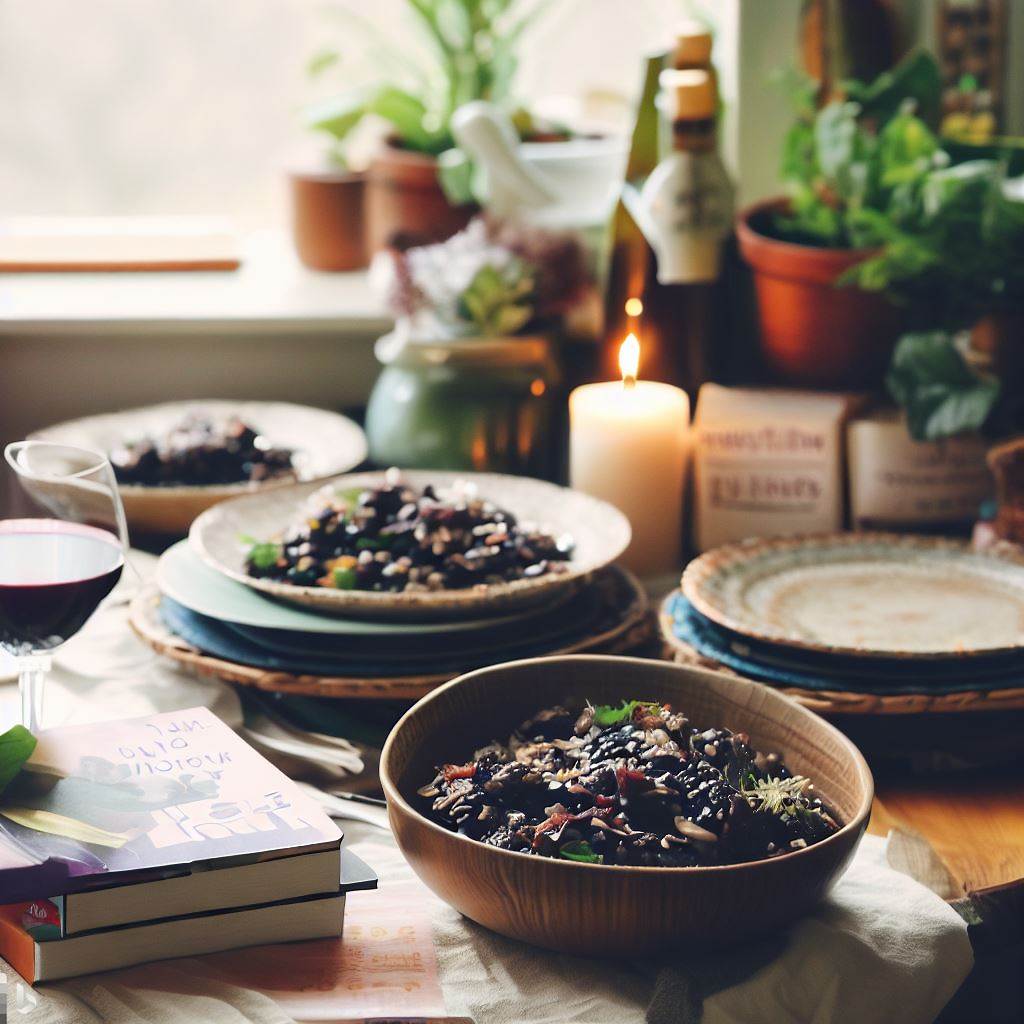
Besides its water-saving attributes, wild rice has a host of other benefits. It’s high in protein, rich in antioxidants, and provides a chewy, nutty contrast to the often monotonous textures on our plates. It can be foraged in the wild or purchased from sustainable growers. Either way, you’re making a choice that is both eco-friendly and palate-pleasing.
Recipe Time: Water-Wise Wild Rice Bowl 🍲
Ingredients:
- 1 cup wild rice
- 2 cups vegetable broth
- Assorted vegetables (think seasonal and local!)
- Your choice of protein (I opt for plant-based, of course!)
- Fresh herbs for garnish
- Rinse the wild rice thoroughly.
- In a saucepan, bring vegetable broth to a boil.
- Add wild rice, reduce heat, and simmer covered for 45-55 minutes.
- In the meantime, prepare your veggies and protein.
- Once rice is done, fluff it with a fork.
- Assemble your bowl and garnish with fresh herbs.
Enjoy your meal, knowing you’ve made a sustainable choice!
Visual Story: Click & Learn 📸
In this section, we take a visual journey through the elements of the Water-Wise Wild Rice Bowl recipe. Each image is designed not only to allure your senses but also to educate you about the sustainability aspects of the dish. Click on the images to learn more about each ingredient and cooking technique, and to discover the environmental benefits of choosing local and seasonal foods.
Wild Rice Close-Up: Know Your Grain 🌾 Wild rice, despite its name, isn’t rice at all; it’s a grass! This nutrient-dense food has a chewy outer sheath and a tender inner grain. Best of all, its water footprint is significantly less than that of conventional rice, making it a smart choice for eco-conscious eaters. 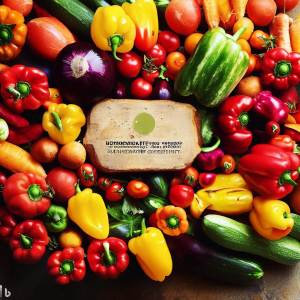
Seasonal Veggies: Eat With The Seasons 🌽 Eating seasonally isn’t just about enjoying fruits and vegetables at their peak flavor; it’s also a way to minimize your environmental impact. Seasonal produce often requires less artificial help to grow, meaning a smaller water and carbon footprint. 
Sustainable Protein: A Meatless Marvel 🌱 When you choose plant-based proteins, you’re making a decision that benefits not only your health but also the planet. Plant-based proteins typically have a much smaller water and carbon footprint compared to animal-based proteins. 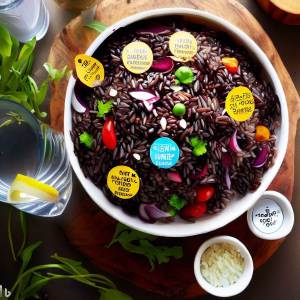
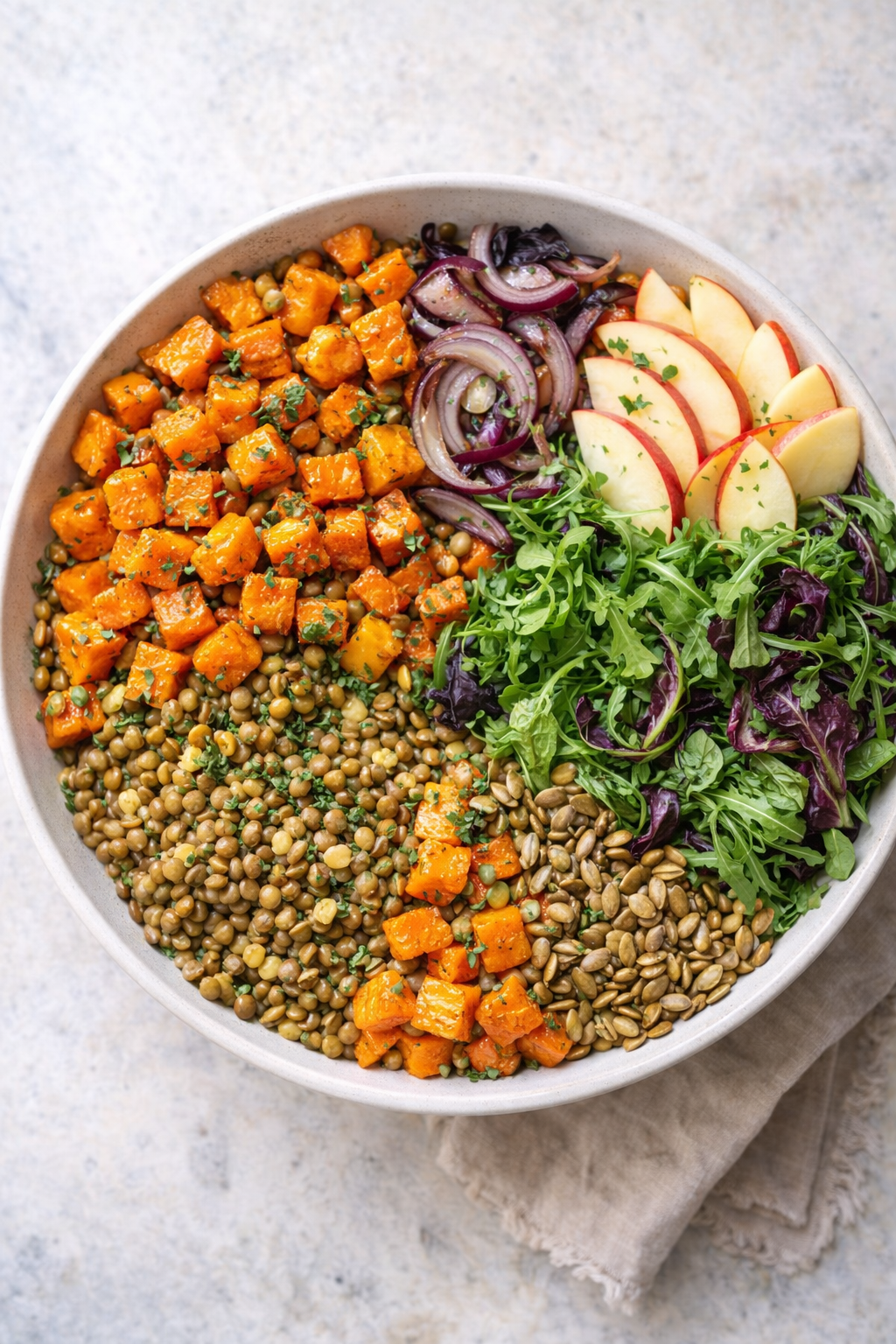
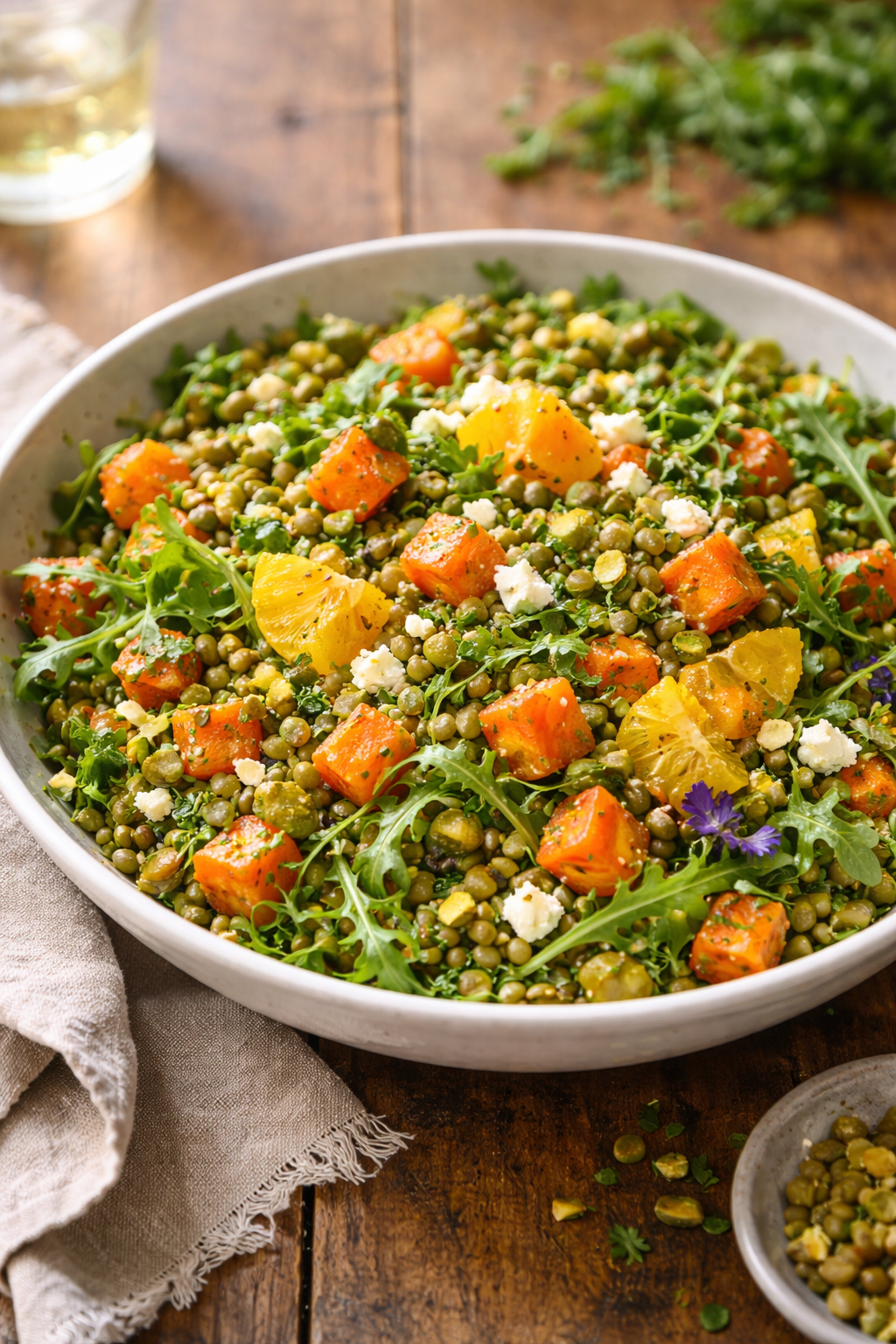
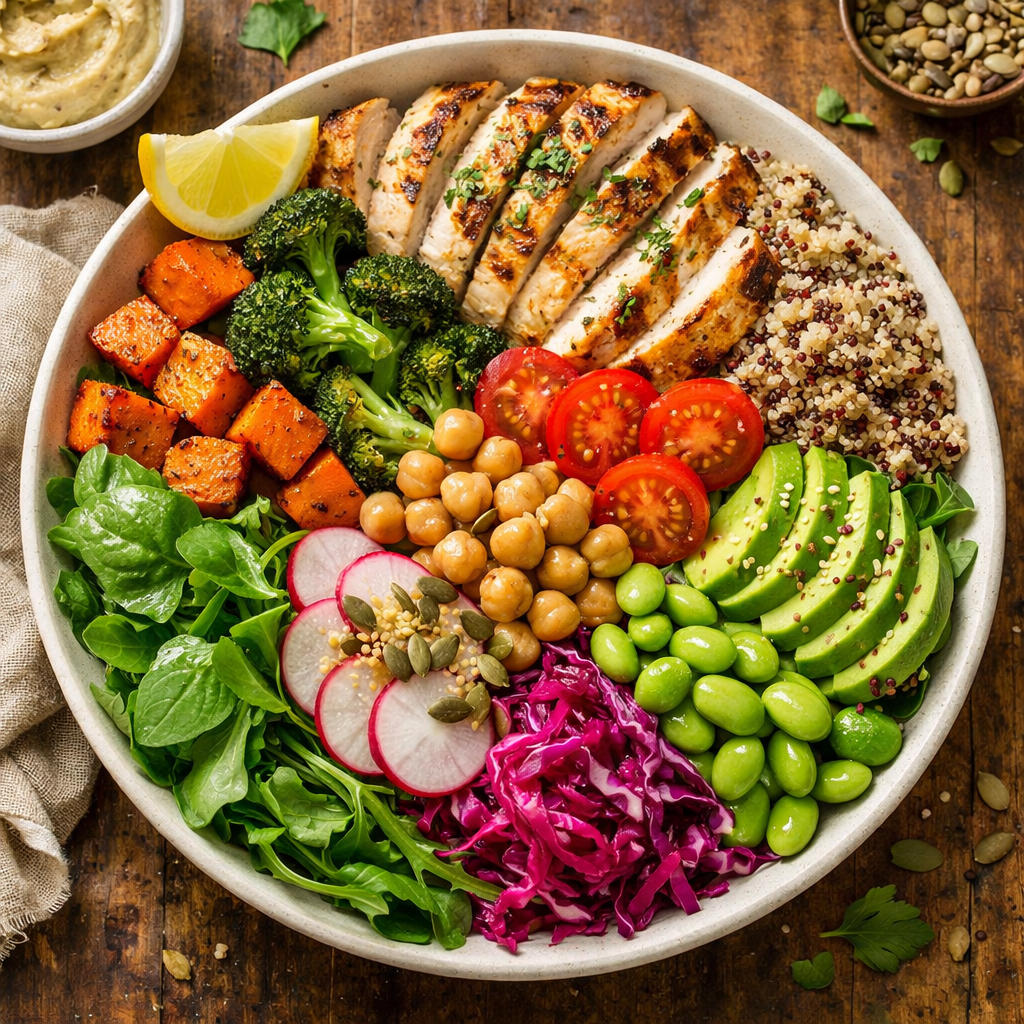
The Finished Bowl: A Symphony of Sustainability 🍲 Here’s the finished product—a bowl full of flavor, nutrition, and sustainability. Every element in this dish was chosen with care, respecting both the environment and the taste buds. 
The Fork: Your Tool for Change 🍴 Your eating habits are a tool for change. With every bite, you have the power to impact not just your health, but also the health of our planet. Choose wisely!
I hope this post has given you some food (and rice!) for thought. Let’s make choices that feed our souls while treading lightly on Earth. 🌱📸


 Bites & Bytes
Leave a comment