
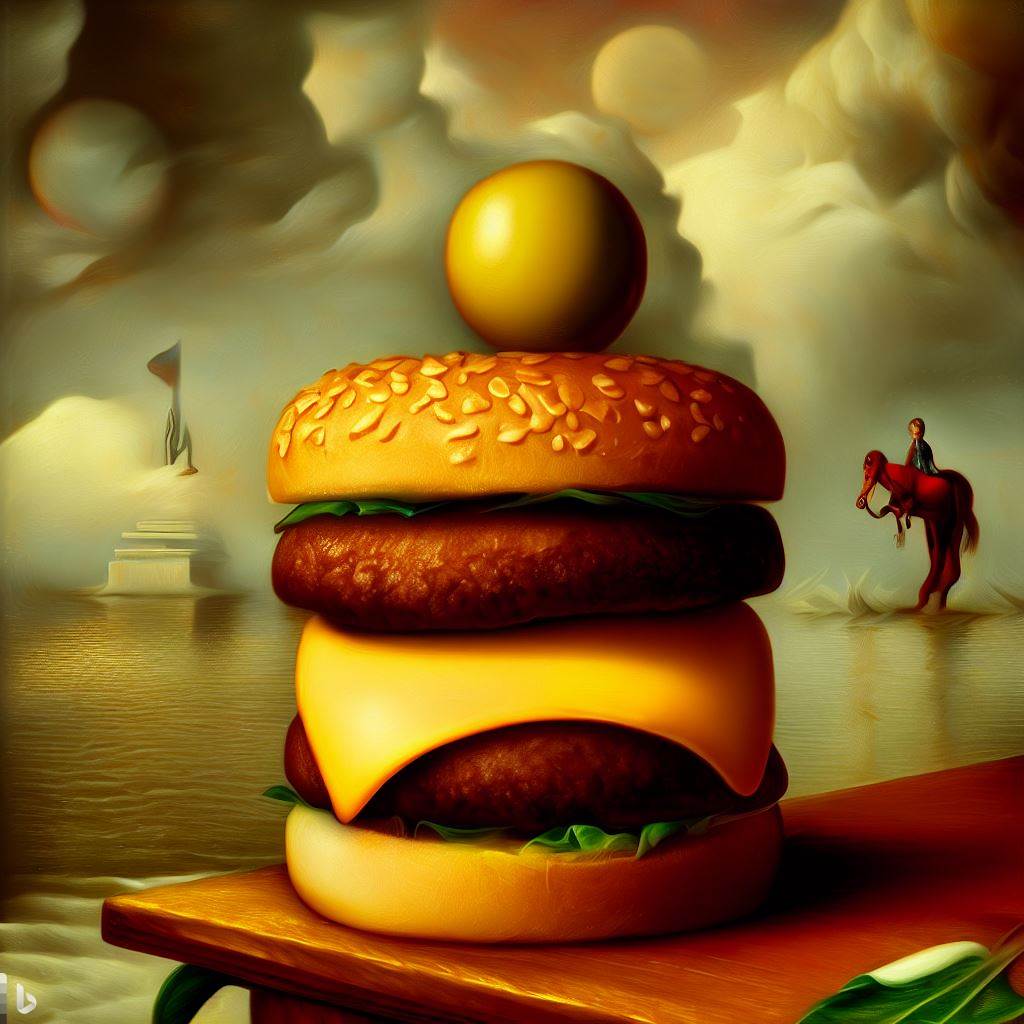
Ah, the cheeseburger—a culinary symphony of meat, cheese, and condiments that’s become a universal language of sorts. But beneath the surface of its delicious simplicity lie stories that span continents and centuries. Get ready for a gastronomic narrative that takes us from ancient Roman kitchens to the sustainable future of this iconic dish. 🍔📜
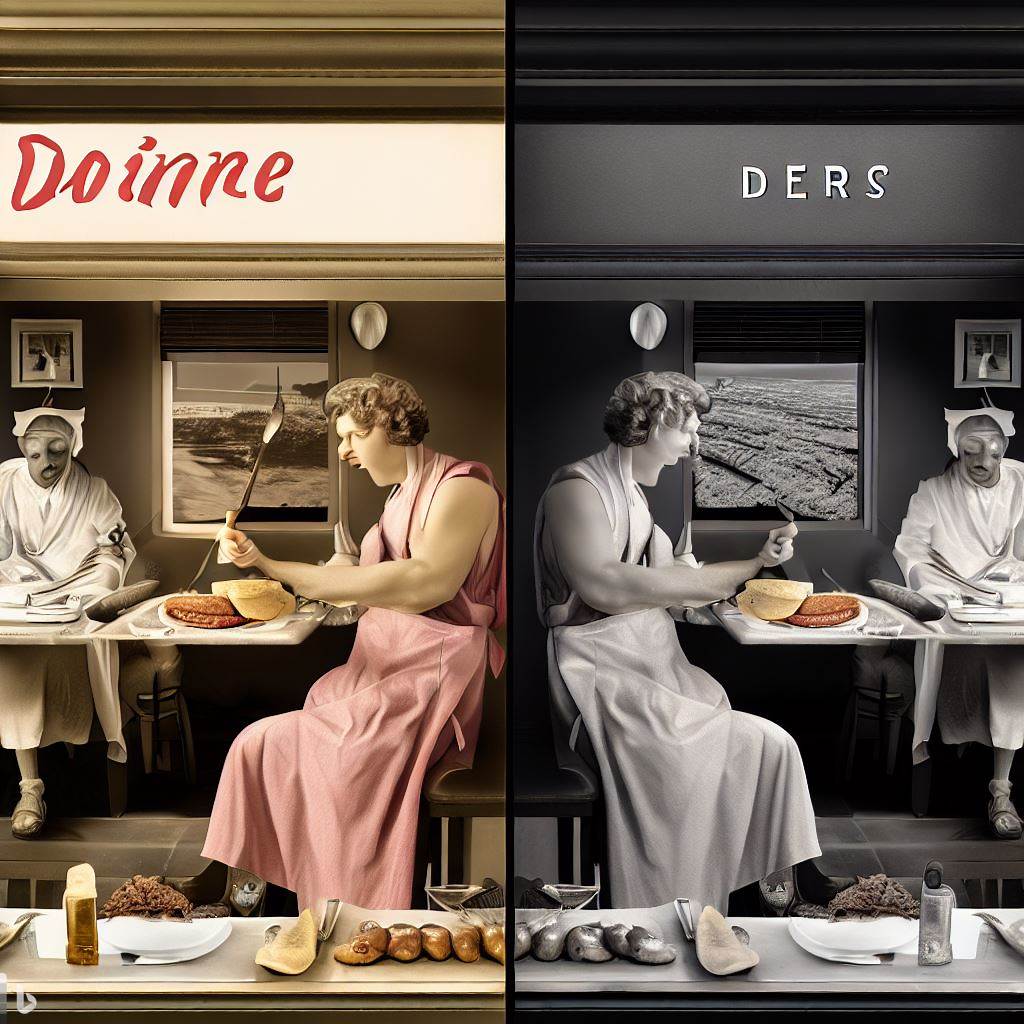
From Rome to the World: The Ever-Evolving Meat Patty
We could start in 20th-century America where the cheeseburger was “officially” born, but let’s rewind further—much further—to ancient Rome. Yes, you heard that right. The Romans had their own kind of meat patty, isicia omentata, meticulously flavored with peppercorns and wine-soaked bread. It’s fascinating how even back then, the idea wasn’t just to fill the stomach but to tantalize the palate. I mean, wine-soaked pine nuts in a meat patty? That’s culinary audacity, an early testament to how food is as much about innovation and expression as it is about sustenance.
More than an American Dream: The Cheeseburger’s Global Passport
Moving the hands of the clock to 20th-century Pasadena, California, we find Lionel Sternberger credited with adding cheese to a hamburger, thereby giving birth to the modern cheeseburger. But let’s not confine the narrative to one place or time. The meat patty owes its origins to German cuisine, the lettuce and tomatoes have their own histories, and cheese—well, that’s a global affair. To me, the cheeseburger is a culinary potluck, each culture tossing in an ingredient or an idea, making it the diverse dish we know today.
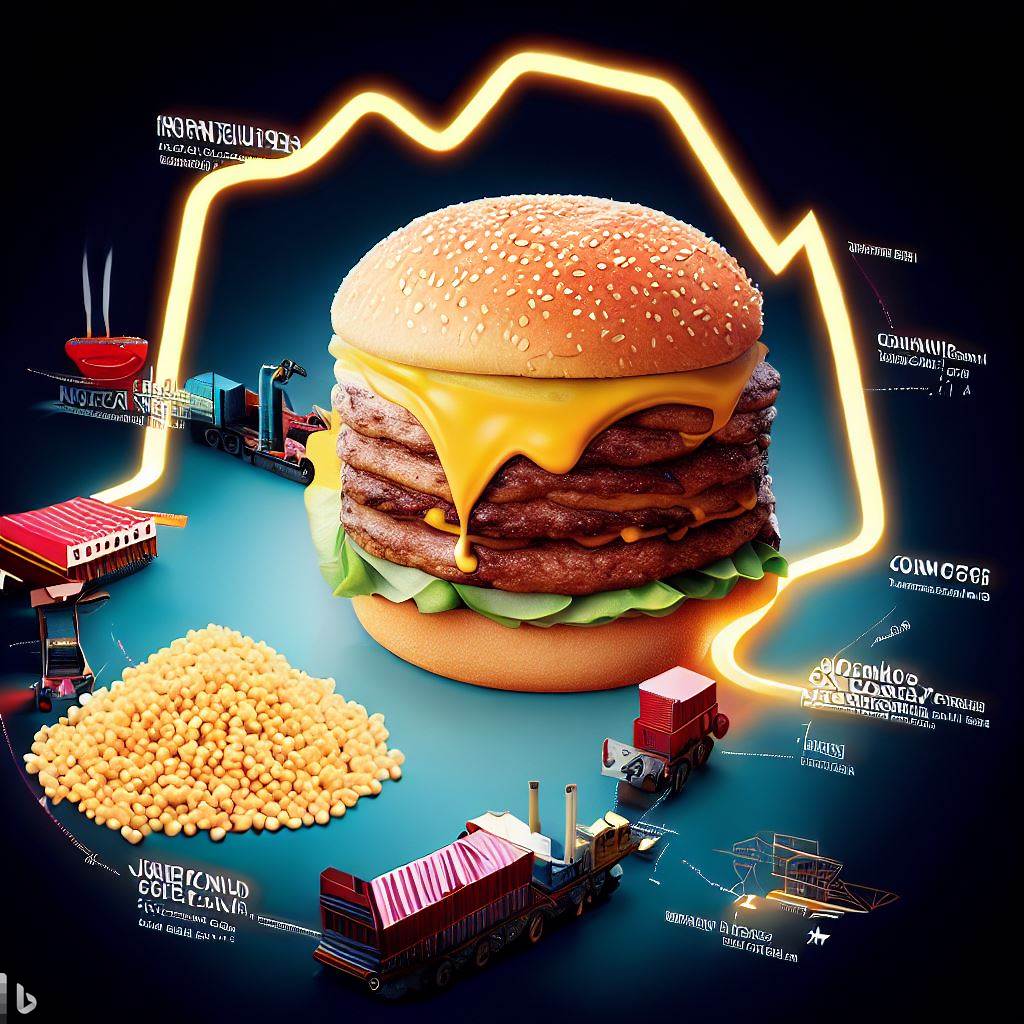
Counting the Cost: The Economics of a Cheeseburger
The cheeseburger has mastered the balancing act of being both lucrative and accessible. Its ingredients have been mass-produced and commodified in a way that keeps prices low and drives profit. Yet, it’s worth noting the double-edged nature of its affordability. The low cost makes it democratic, sure, but what of the environmental toll or the labor conditions in meat-packing plants? The price of a cheeseburger isn’t just on the menu; it’s a sum total of various economical and ethical equations.
The Art of Cheeseburger Craftsmanship
What truly sets a cheeseburger apart? Is it the sizzle of the patty, the oozing cheese, or the crunch of fresh lettuce? The magic is in the orchestration, the chef’s ability to make each element sing in harmony. So whether you’re a sharp cheddar or a Swiss Gruyère enthusiast, each ingredient needs to play its role.
The Ultimate Cheeseburger Recipe with Homemade Aioli
Ingredients:
- 1 lb ground beef (80/20 mix)
- 4 slices of your favorite cheese
- 4 brioche buns
- Fresh lettuce, tomato, and red onion slices
For the Homemade Chipotle Aioli:
- 1 cup mayonnaise
- 2 cloves garlic, minced
- 1 tbsp lemon juice
- 2 tsp chipotle powder or paste
- Salt to taste
Steps:
- Prep the Aioli: Combine all aioli ingredients and refrigerate for at least an hour.
- Form the Patties: Season beef with salt and pepper and shape into four patties.
- Grill: Cook on a preheated grill or skillet, 4 minutes per side for medium-rare.
- Melt the Cheese: Add cheese slices in the last minute, covering to help melt.
- Assemble: Toast buns, spread aioli, add lettuce, patty, and top with tomato and onion.
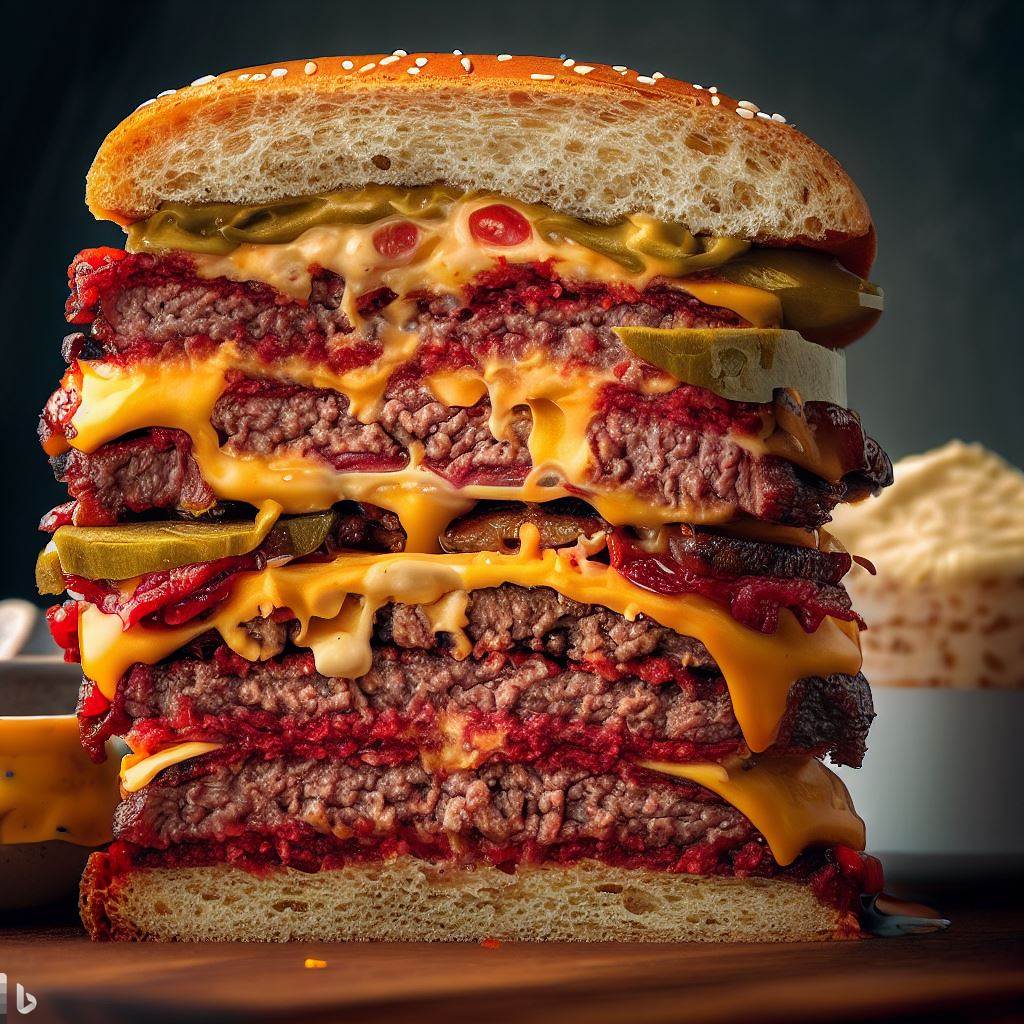
Looking Ahead: What Does the Future Hold?
As we confront issues like climate change, the cheeseburger is becoming a culinary question mark. Plant-based meat alternatives have already nudged their way into mainstream menus, but what’s truly intriguing is the idea of lab-grown meat. Just imagine—a cheeseburger that’s as sustainable as it is delicious.
Your Next Cheeseburger: A Meal or a Lesson?
So there it is, a cheeseburger unwrapped, dissected, and understood beyond its taste. As you bite into your next one, remember the histories, cultures, and economies you’re quite literally consuming.
Until our next culinary adventure, keep your palates curious and your minds ravenous. And do give that chipotle aioli a try—it’s the sort of game-changer that makes the ordinary, extraordinary. 🍔📚🌏


 Bites & Bytes
Leave a comment