
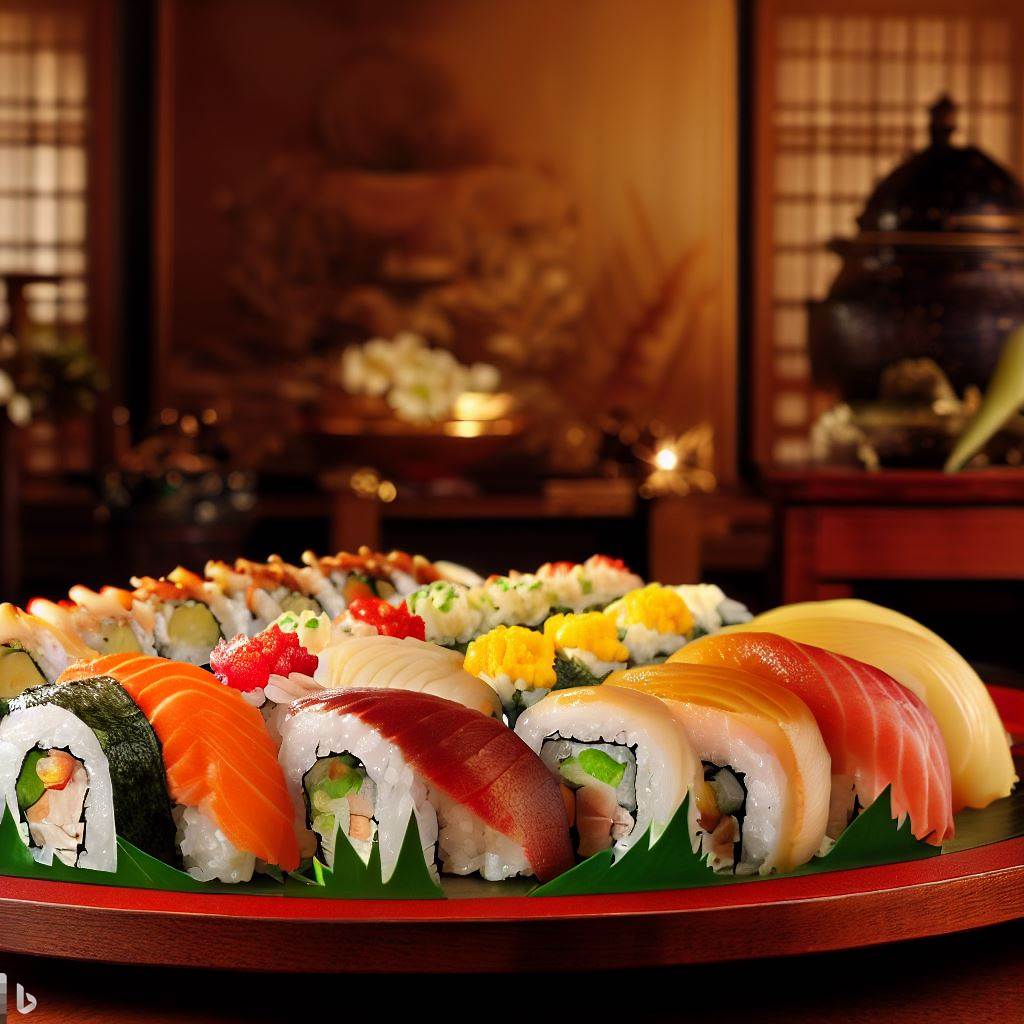
There’s a particular kind of magic that happens when skillful hands transform simple ingredients into something extraordinary. The perfect example? Edomae sushi. Originating from the bustling city of Edo, what we now call Tokyo, this style of sushi is like a time-traveling morsel, offering both a historical perspective and a modern twist. It’s the culinary equivalent of putting on your favorite vintage jacket, only to find it’s been tailored to fit today’s fashion sensibilities.
A Taste of History
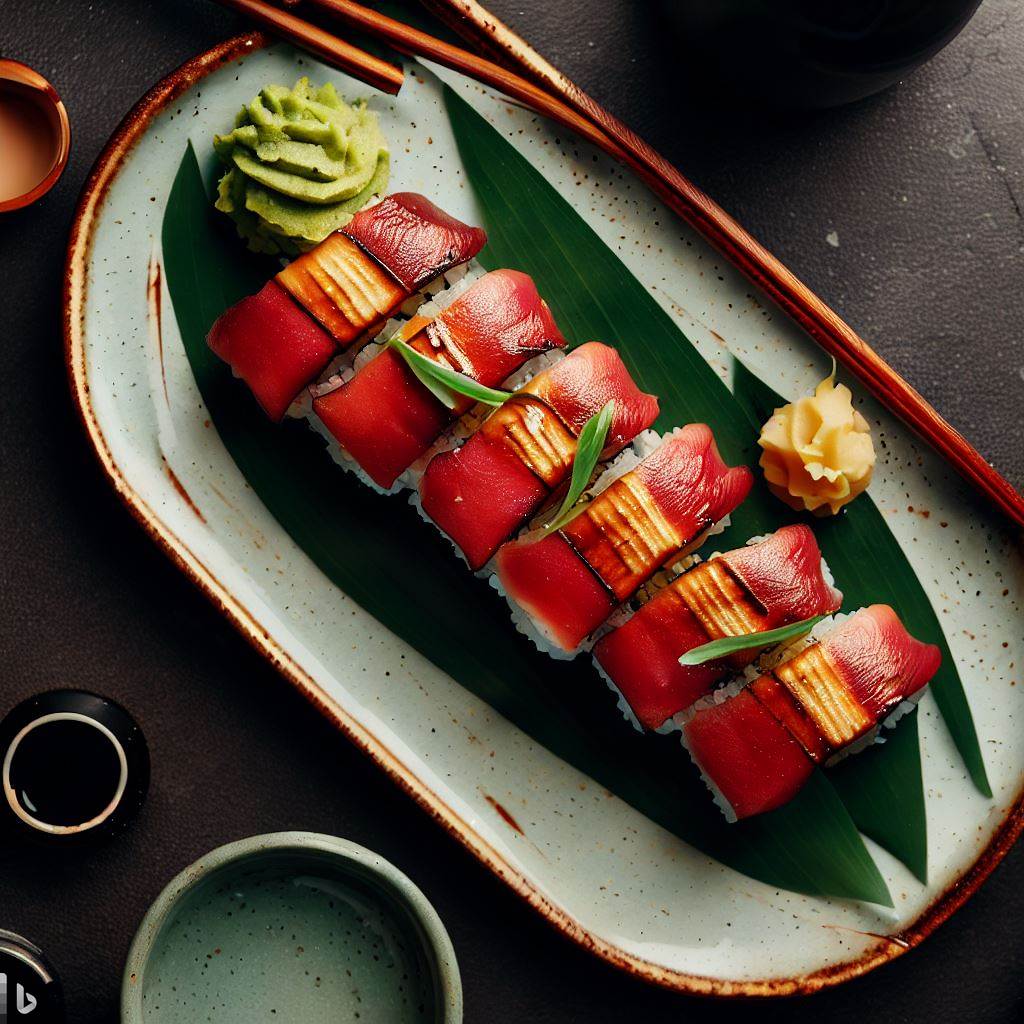
Edomae sushi emerged during the 19th century as fast food for the burgeoning Edo working class. Using fresh fish caught from the Tokyo Bay, artisans would preserve it with vinegar and serve it over small beds of rice. In essence, it was all about capturing the flavor of the sea and making it accessible to everyday people. Fast-forward to today, and Edomae sushi has crossed oceans, reaching culinary aficionados around the globe. The beauty of Edomae is not just in its flavor, but also in its narrative; it’s the sushi that democratized a culinary art form.
Now, if you’re picturing a sushi chef in a five-star Tokyo restaurant carefully layering thinly sliced fish atop bite-sized rice—the precision, the dedication, the artistry—you’re not far off. But there’s an element of swiftness, almost brusqueness, to Edomae sushi that might catch you by surprise. It’s an ode to its history, an homage to its roots as fast food for the working class. Quick but not hurried, simple but not basic—Edomae sushi is all about balance, just like life should be.
Unveiling the Technique
Speaking of balance, let’s talk technique. One does not merely slap fish on rice and call it Edomae. Oh no, that would be akin to calling doodles on a napkin a Da Vinci sketch. First, the fish is cured using techniques like su-jime (vinegar curing) or kobu-jime (kelp curing). This not only preserves the fish but also enhances its natural flavors. The rice, seasoned with vinegar, sugar, and salt, serves as the understated stage for the fish to perform its culinary dance.
The Role of Edomae in Modern Cuisine
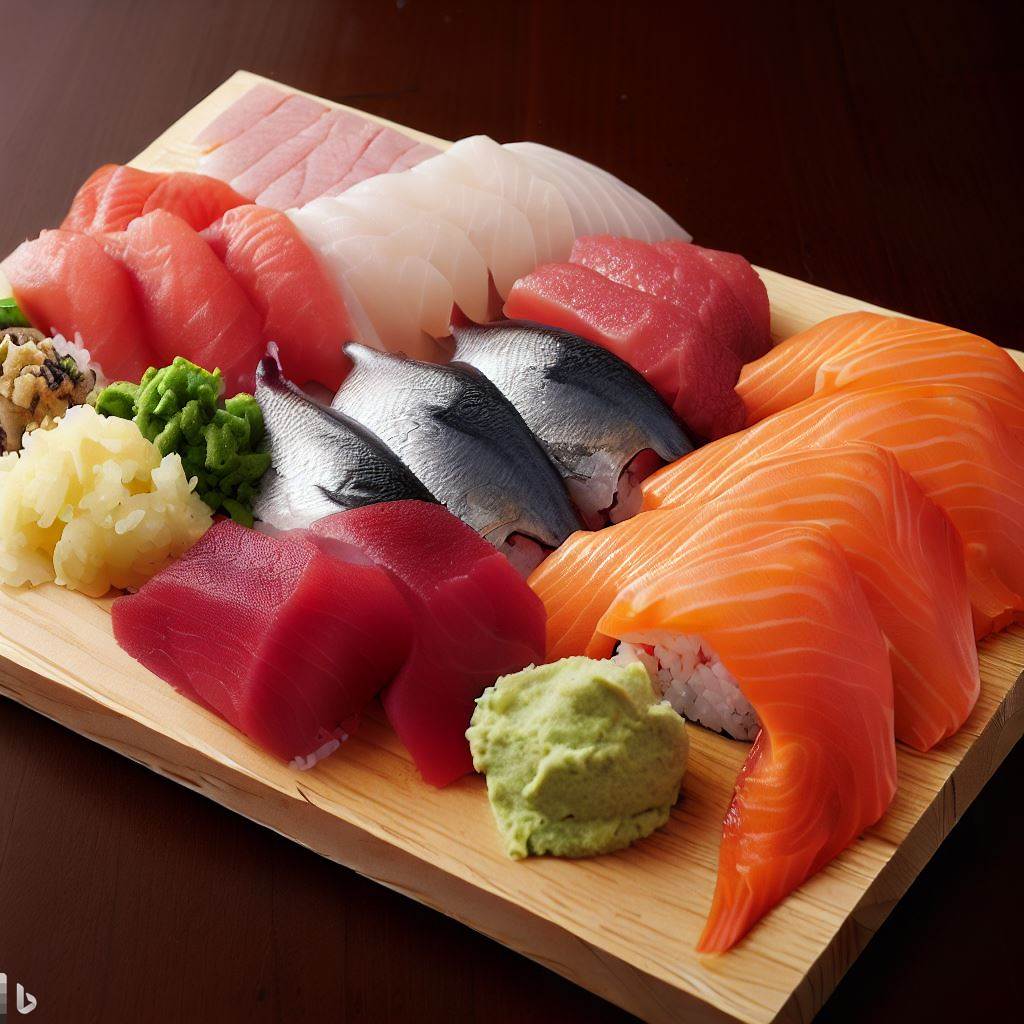
In the ever-changing landscape of culinary arts, Edomae sushi remains both a classic and a chameleon, adapting to different palates while retaining its core techniques. You can find it served in minimalist Tokyo eateries or as a daring fusion dish in a swanky New York restaurant. The adaptability of Edomae sushi is its calling card; it respects its roots while stretching its fins, so to speak, into new waters.
Now, Let’s Bring Edomae Sushi to Your Kitchen
I know you’re probably wondering if Edomae sushi can ever grace your own dinner table without requiring a plane ticket to Japan. The answer is a resounding “yes!” Below is a step-by-step recipe that doesn’t just give you the how-tos—it also envelops you in the entire Edomae experience. From selecting the freshest fish to seasoning your rice just right, consider this your front-row seat to sushi artisanship.
Edomae Sushi: A Recipe for Timeless Elegance
Ingredients:
For the Sushi Rice:
- 2 cups sushi-grade short-grain rice
- 2 1/2 cups water
- 1/3 cup rice vinegar
- 3 tablespoons sugar
- 1 teaspoon salt
For the Neta (Toppings):
- 1/2 pound sushi-grade tuna
- 1/2 pound sushi-grade salmon
- 1/2 pound sushi-grade yellowtail
- Wasabi paste for seasoning
- Soy sauce for dipping
Equipment:
- Bamboo sushi rolling mat
- Plastic wrap
- Sharp knife
Instructions:
Preparing the Rice:
Rinse the rice under cold water until the water runs clear.
In a medium saucepan, combine the rice and water. Bring it to a boil, then reduce the heat to low and cover. Cook for 20 minutes, or until the rice is tender and the water has been absorbed.
Seasoning the Rice:
While the rice is cooking, prepare the vinegar seasoning by combining the rice vinegar, sugar, and salt in a small saucepan. Heat over low heat until the sugar dissolves.
Once the rice is cooked, transfer it to a large wooden or glass bowl and gently fold in the vinegar seasoning.
Preparing the Fish:
Use a very sharp knife to slice the fish into pieces approximately 1-inch by 2.5-inches.
If you’re feeling traditional, you can marinate the fish in a mixture of soy sauce and wasabi for about 30 minutes.
Assembling the Sushi:
Place a bamboo sushi rolling mat on your counter and cover it with plastic wrap.
Take a small handful of rice and shape it into a rectangle.
Smear a small amount of wasabi paste onto the rice, if desired.
Place a piece of fish on top of the rice.
Serving:
Arrange the finished pieces on a plate, traditionally a piece of leafy green is used as a base.
Serve immediately with soy sauce for dipping.
Notes:
- Always use the freshest fish possible and make sure it is sushi-grade.
- Feel free to experiment with other toppings like prawns, squid, or even eel, following the same basic preparation steps.
So, as you meticulously slice your fish, remember that you’re not just preparing a meal; you’re participating in a rich, cultural tapestry that dates back to 19th-century Tokyo. Let’s not just make sushi; let’s make history.






 Bites & Bytes
Leave a comment