
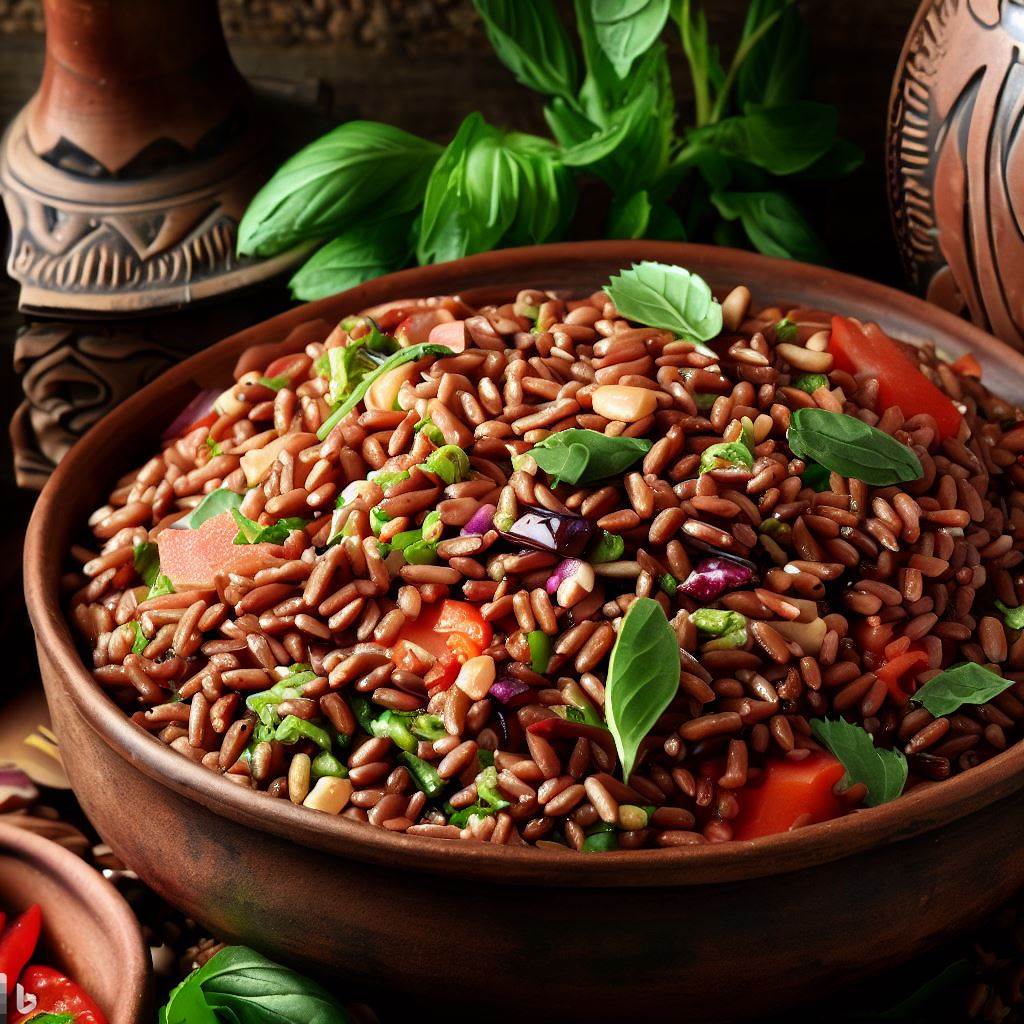
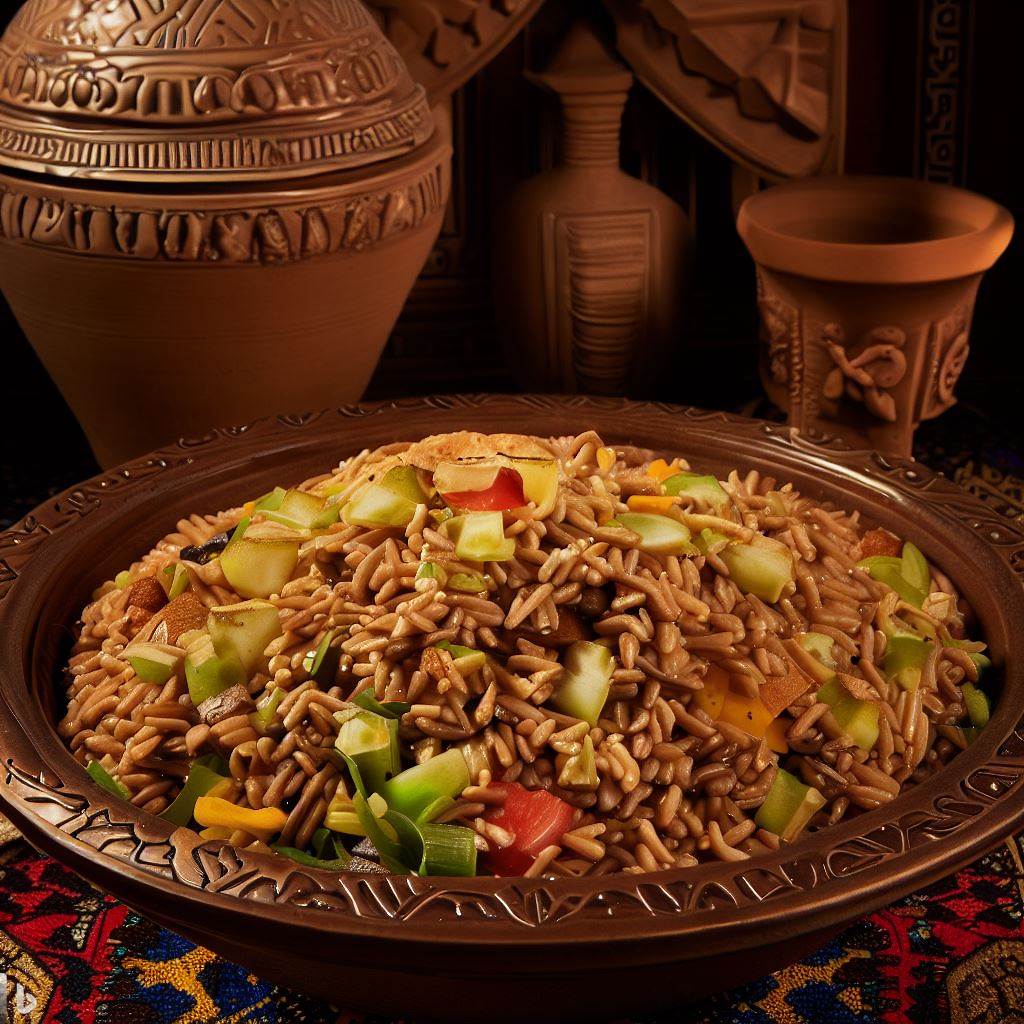
You know, there’s a delightful paradox in the notion that the most innovative trend in modern cooking is looking to the past. Not just grandmama’s recipe book, mind you, but all the way back to the culinary habits of our ancient ancestors. And no, we’re not bartering our latest hunt in exchange for berries, but we are reverting to some of the grains they found crucial: enter ancient grains.
A Grain of Truth: The Past Is Never Truly Behind Us
As a culinary anthropologist, Chef HistorEats, I must say your blog title, “Bites & Bytes,” could not be more apt for today’s topic. “Bites” indeed transport us through time, and the “bytes” of information that accompany them make the journey worth every step.
What Are Ancient Grains Anyway?
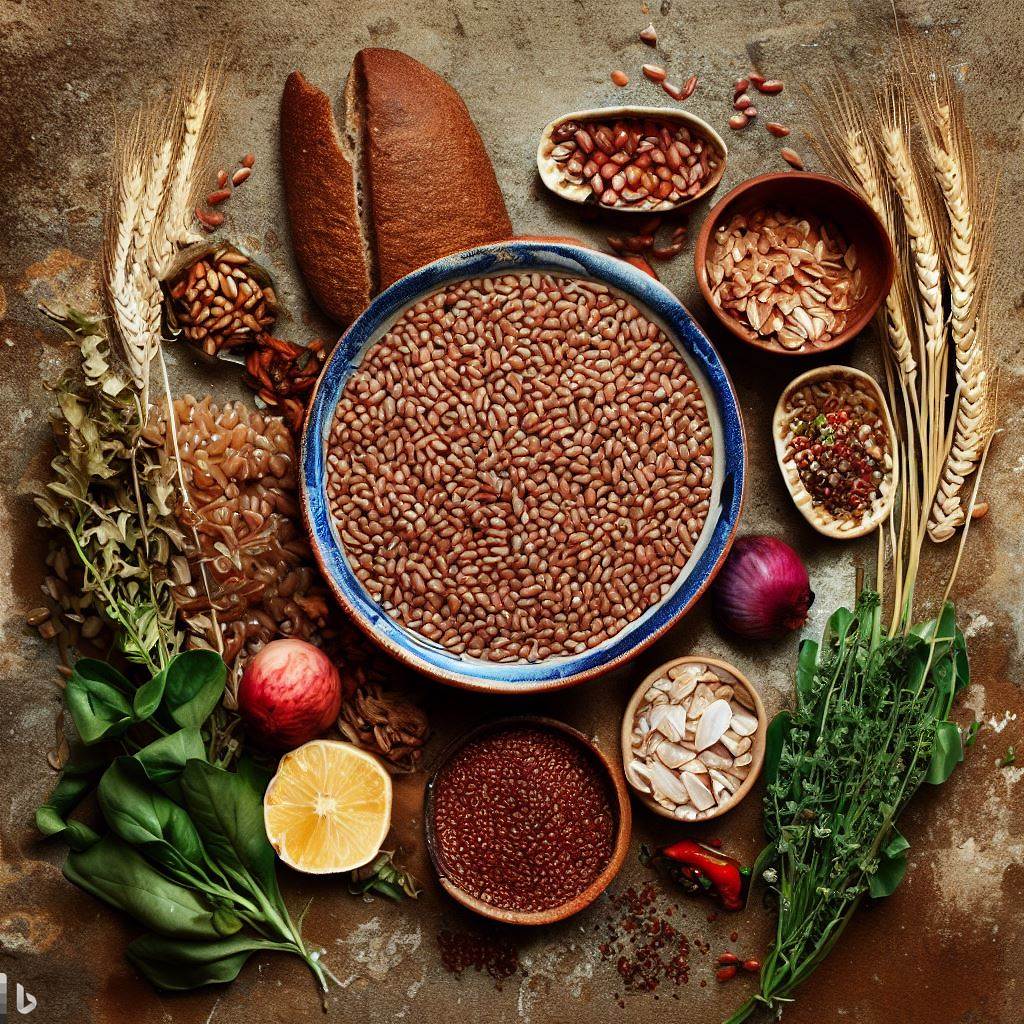
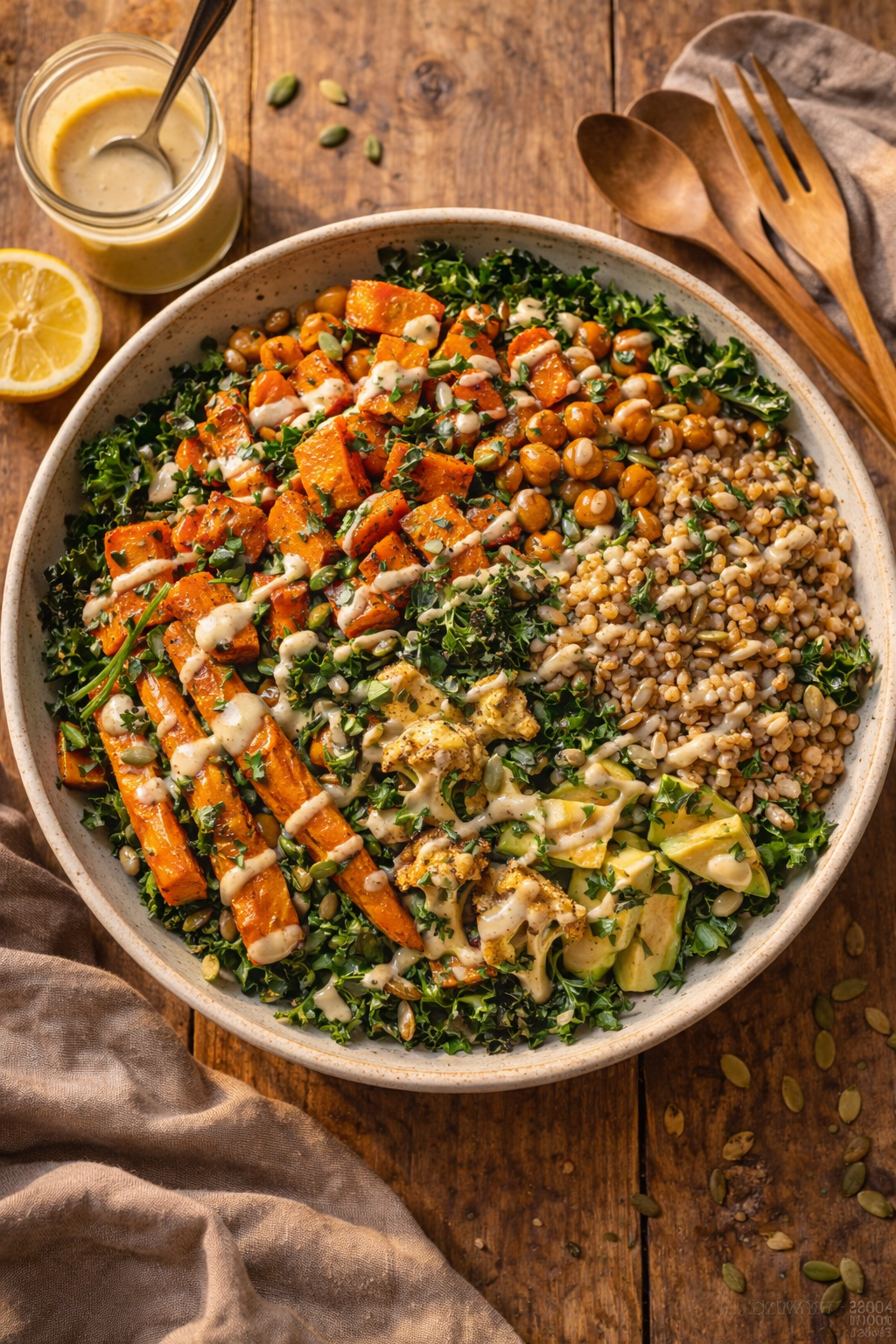
For the uninitiated, ancient grains are those that have been largely unchanged for several hundreds or even thousands of years. They include the likes of farro, quinoa, and the hipster-darling of the grain world, chia. So, why are we all suddenly so smitten with these age-old dietary mainstays? The answer is three-fold: nutritional value, a desire for less processed foods, and, of course, the eternal human craving for narrative and nostalgia.
A Brief Walk Down Memory Lane
You might wonder how these ancient grains were forgotten for so long. In the 19th and early 20th centuries, as industrial agriculture surged, grains that were easier to grow, harvest, and store took the spotlight. The age of convenience pushed ancient grains into a dusty corner of history. Well, until recently.
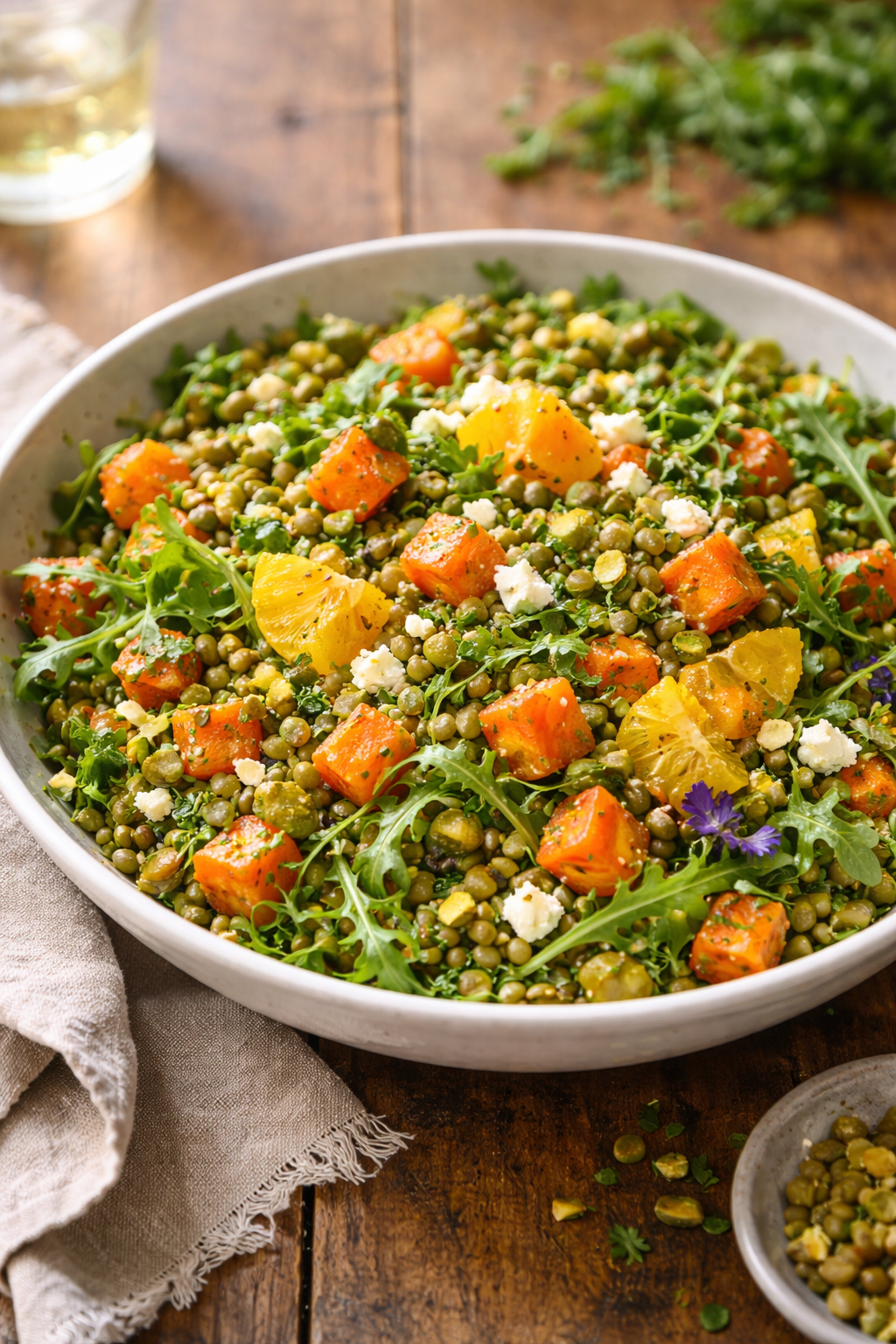
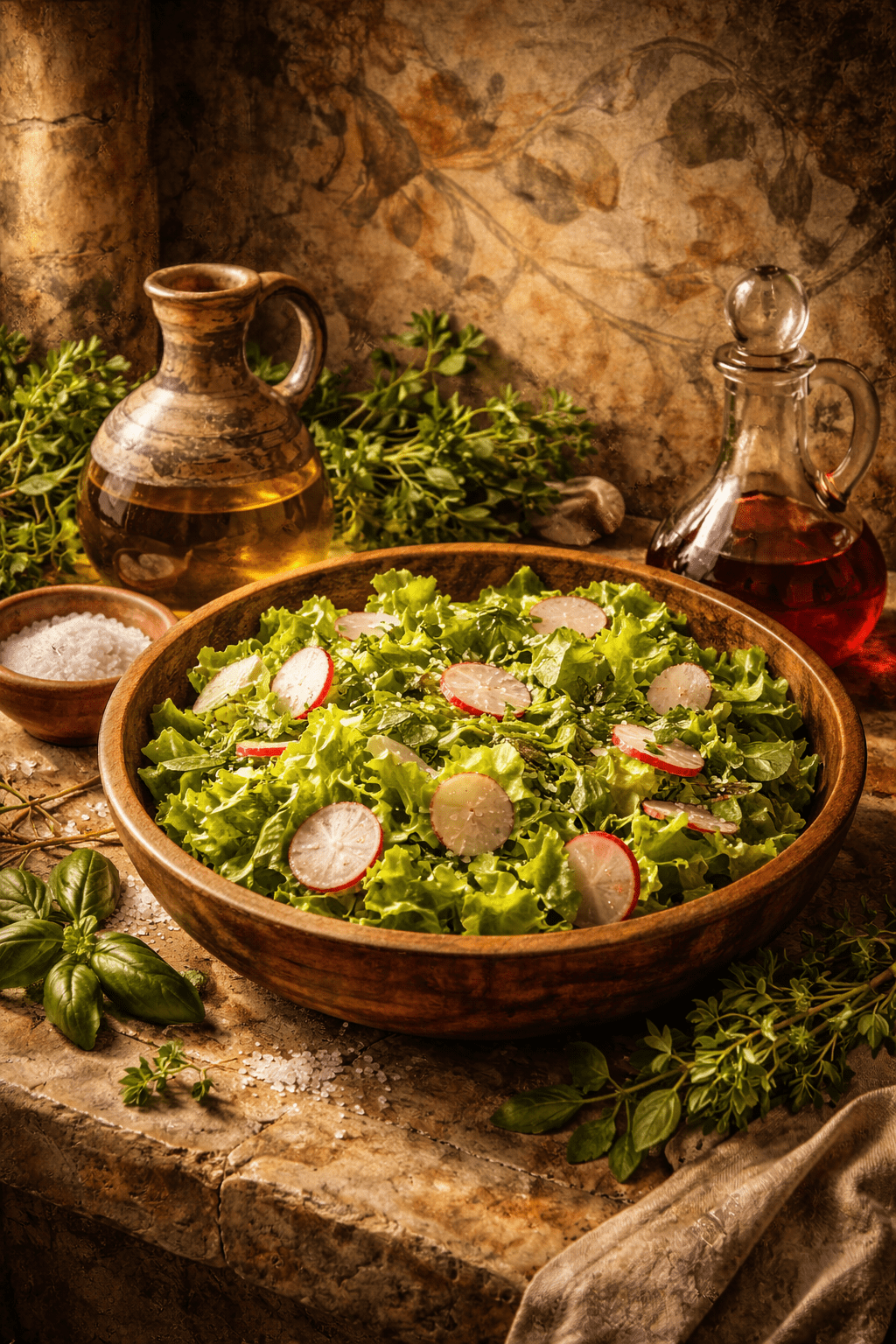
Featured Recipe: Mesopotamian Spelt Salad
Ingredients:
- 1 cup spelt, rinsed
- 2 cups vegetable broth or water
- 1 cup cherry tomatoes, halved
- 1 cucumber, diced
- 1 red bell pepper, diced
- 1/2 red onion, finely chopped
- 1/2 cup feta cheese, crumbled
- 1/4 cup fresh mint leaves, finely chopped
- 1/4 cup fresh parsley, finely chopped
Dressing:
- 1/4 cup extra-virgin olive oil
- 2 tablespoons red wine vinegar
- 1 teaspoon Dijon mustard
- Salt and pepper to taste
Instructions:
- In a medium saucepan, bring vegetable broth or water to a boil. Add spelt and reduce heat to low. Cover and simmer for 45-60 minutes, or until spelt is tender but still chewy.
- Drain any excess liquid and transfer spelt to a large mixing bowl to cool.
- While the spelt is cooling, prepare the vegetables and herbs.
- In a separate bowl, whisk together the ingredients for the dressing.
- Add the prepared vegetables, herbs, and feta cheese to the cooled spelt.
- Pour the dressing over the spelt mixture and toss well to combine.
- Allow the salad to sit for at least 30 minutes to allow the flavors to meld together.
- Serve chilled or at room temperature, garnished with additional mint and parsley if desired.
The Trend Meets the Tradition
Ancient grains are now a staple in many restaurants, not just as a kitschy trend but as a commitment to sustainable farming and whole nutrition. They also embody a tapestry of stories that date back millennia. Every mouthful is a bite into a narrative—a recipe passed down generations, or perhaps even civilizations.
Not Just a Pretty Name
It’s easy to be charmed by the poetic names of these grains—Teff, Amaranth, Freekeh—but they’re not just about aesthetics. Each grain has a unique nutritional profile and distinct flavor, texture, and cooking time. For instance, millet, a grain that was once a staple in ancient Asian and African diets, is high in magnesium and fiber. It’s more than just a birdseed ingredient, you know!
Breaking Bread with History
The practice of integrating these ancient grains isn’t just a fad; it’s a way to connect to the culinary traditions that predate our modern conveniences. It’s a statement that says, “Hey, sometimes the past knew best!” And it’s a delicious one at that.
So the next time you see a loaf of Einkorn bread at your local bakery or a Kamut salad on a restaurant menu, remember, you’re not just consuming food; you’re consuming history. Now, speaking of consuming, allow me to share a recipe that you can actually eat.
Stay tuned for my next time-traveling culinary escapade, and until then, as they say in ancient Rome, “Bonum appetitionem!” Or something like that.
 Bites & Bytes
Leave a comment