
Greetings, culinary explorers and history buffs alike! If your wanderlust for long-lost lands and unique flavors has brought you here, you’ve arrived at the right place.
In our continuous journey to unearth the gastronomic past, we’ve dined like Roman Emperors and brewed potions from Medieval manuscripts. Today, however, let’s rewind the tape of history even further. We’re heading back—way back—to the dawn of organized society, to Mesopotamia, often dubbed the “Cradle of Civilization.”
You know how it is. You stumble across some hieroglyphs in an old book, or a cuneiform tablet at a museum exhibit, and suddenly you’re struck by a craving for Mesopotamian cuisine. It happens to the best of us, doesn’t it? Thankfully, unlike Sumerian algebra or ancient Babylonian tax law, Mesopotamian culinary traditions can still bring joy to modern lives.
There’s no need to wrestle lions or build ziggurats to get into the Mesopotamian mood. A spelt salad will do the trick. Yes, spelt—a grain that’s been nourishing humanity since people first realized seeds could grow into food. How’s that for a legacy?
Just like the Sumerians, Akkadians, Babylonians, and Assyrians combined disparate elements to create a society, we’ll be doing the same with our salad. It’s the kind of culinary alchemy that would make Gilgamesh himself stop in his tracks.
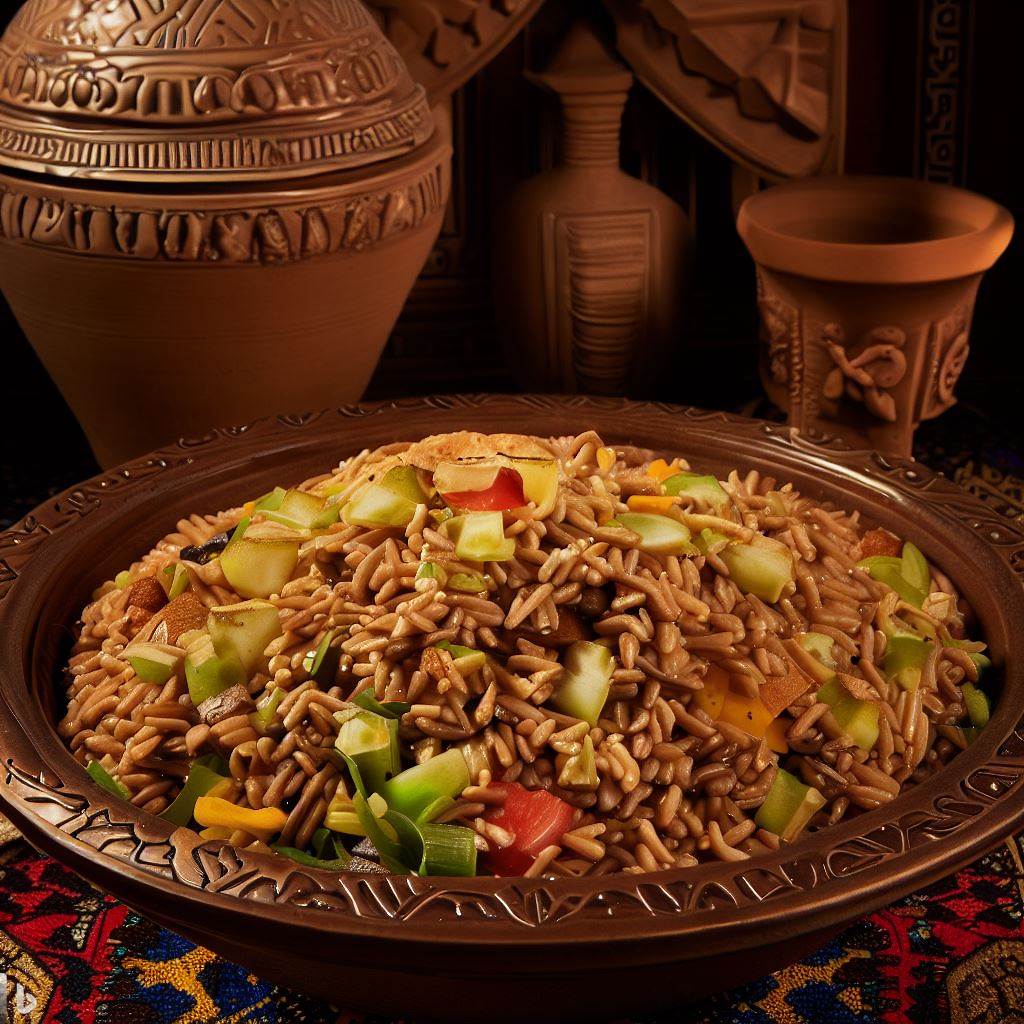
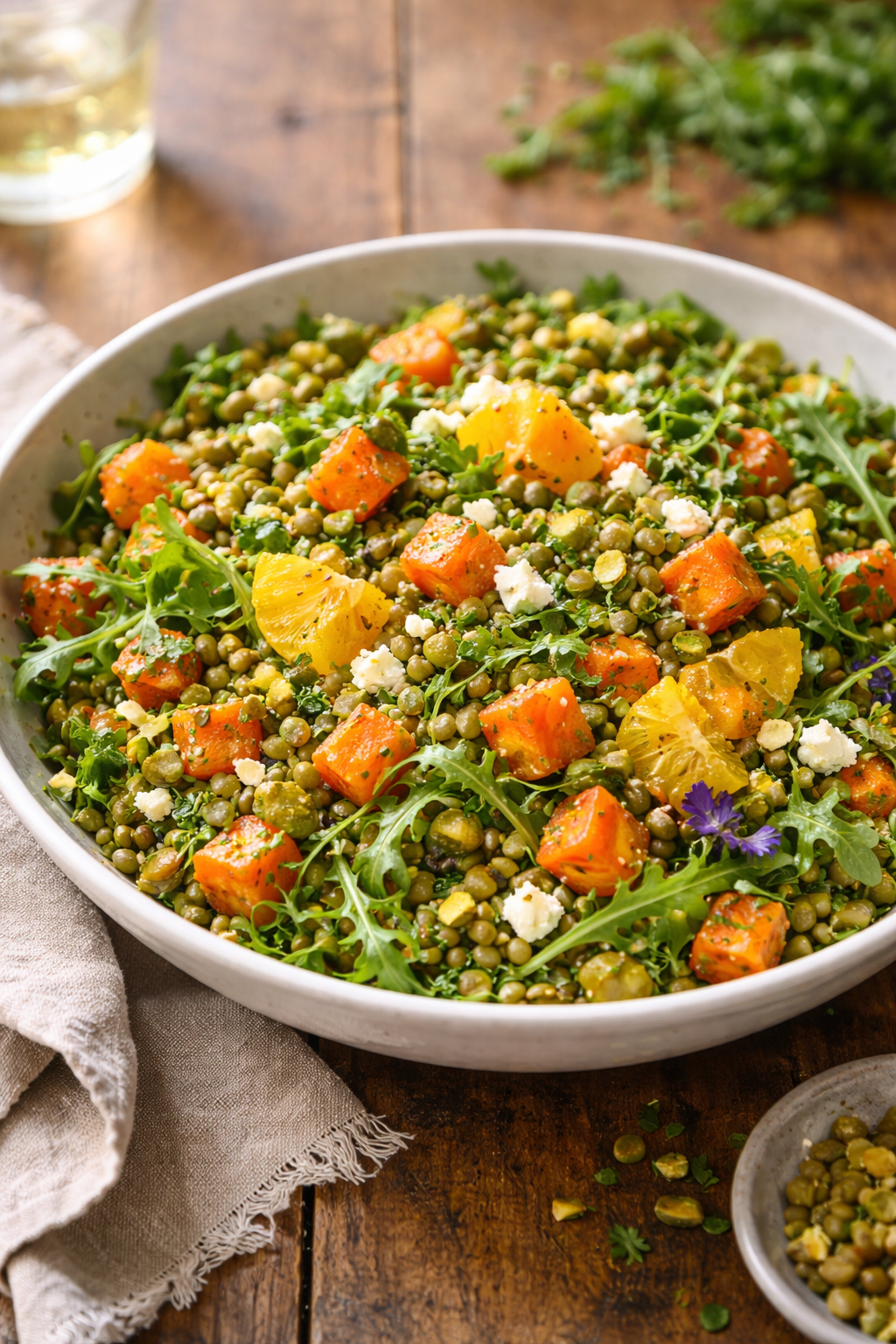
Featured Recipe: Mesopotamian Spelt Salad
Ingredients:
- 1 cup spelt, rinsed
- 2 cups vegetable broth or water
- 1 cup cherry tomatoes, halved
- 1 cucumber, diced
- 1 red bell pepper, diced
- 1/2 red onion, finely chopped
- 1/2 cup feta cheese, crumbled
- 1/4 cup fresh mint leaves, finely chopped
- 1/4 cup fresh parsley, finely chopped
Dressing:
- 1/4 cup extra-virgin olive oil
- 2 tablespoons red wine vinegar
- 1 teaspoon Dijon mustard
- Salt and pepper to taste
Instructions:
- In a medium saucepan, bring vegetable broth or water to a boil. Add spelt and reduce heat to low. Cover and simmer for 45-60 minutes, or until spelt is tender but still chewy.
- Drain any excess liquid and transfer spelt to a large mixing bowl to cool.
- While the spelt is cooling, prepare the vegetables and herbs.
- In a separate bowl, whisk together the ingredients for the dressing.
- Add the prepared vegetables, herbs, and feta cheese to the cooled spelt.
- Pour the dressing over the spelt mixture and toss well to combine.
- Allow the salad to sit for at least 30 minutes to allow the flavors to meld together.
- Serve chilled or at room temperature, garnished with additional mint and parsley if desired.
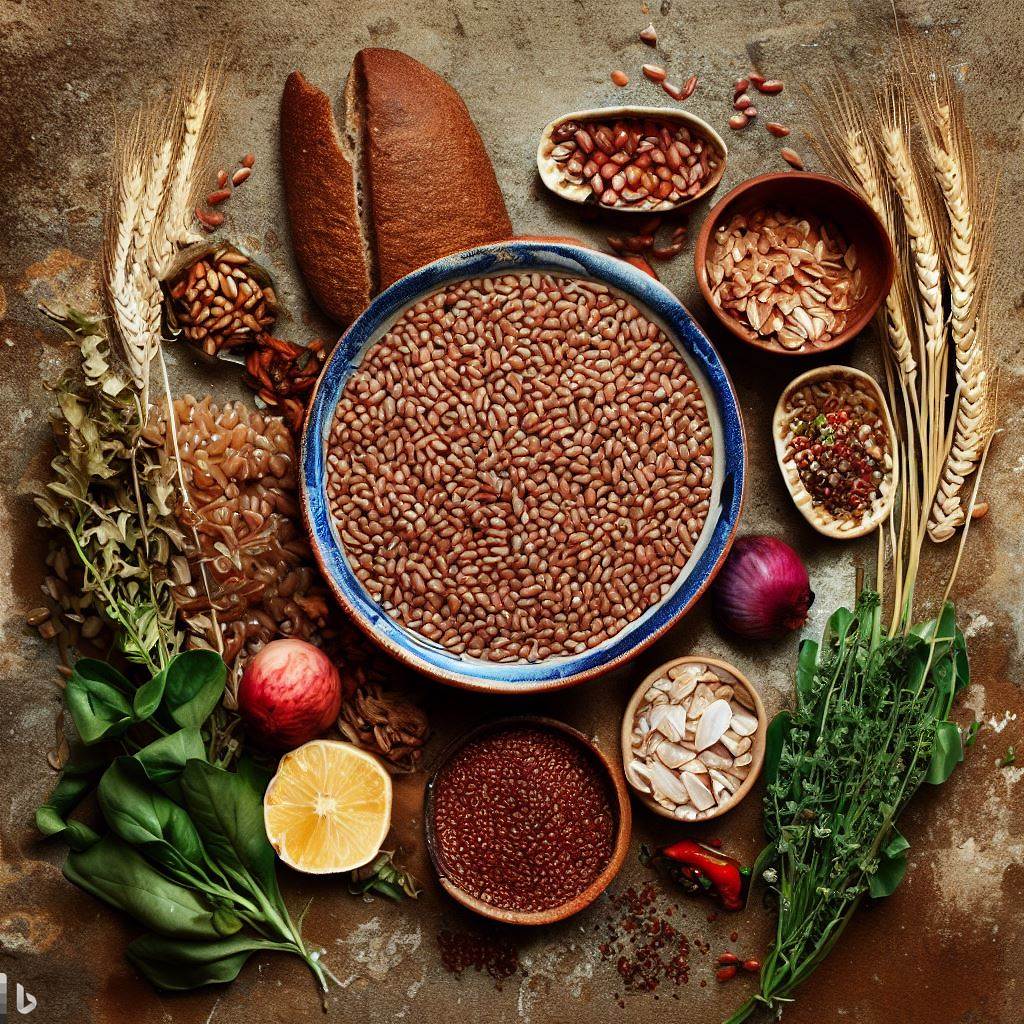
Ah, if only the Code of Hammurabi had included recipes among its edicts! While the real dish may not have the weight of millennia behind it, the spelt itself does. Once a dietary staple in ancient Mesopotamia, this grain brings nutty, chewy wholesomeness that will remind you why civilizations are built on more than just bricks and mortar.
Suffice it to say, embracing ancient culinary wisdom does not require a Ph.D. in archaeology or a time machine. All it takes is a willingness to experiment and an appetite for history. When the past meets the plate, the results can be scrumptious.
Until next time, keep digging into history—one bite at a time.
 Bites & Bytes
Leave a comment