

🎵 Spotify Playlist: Solar Beats & Sunny Eats
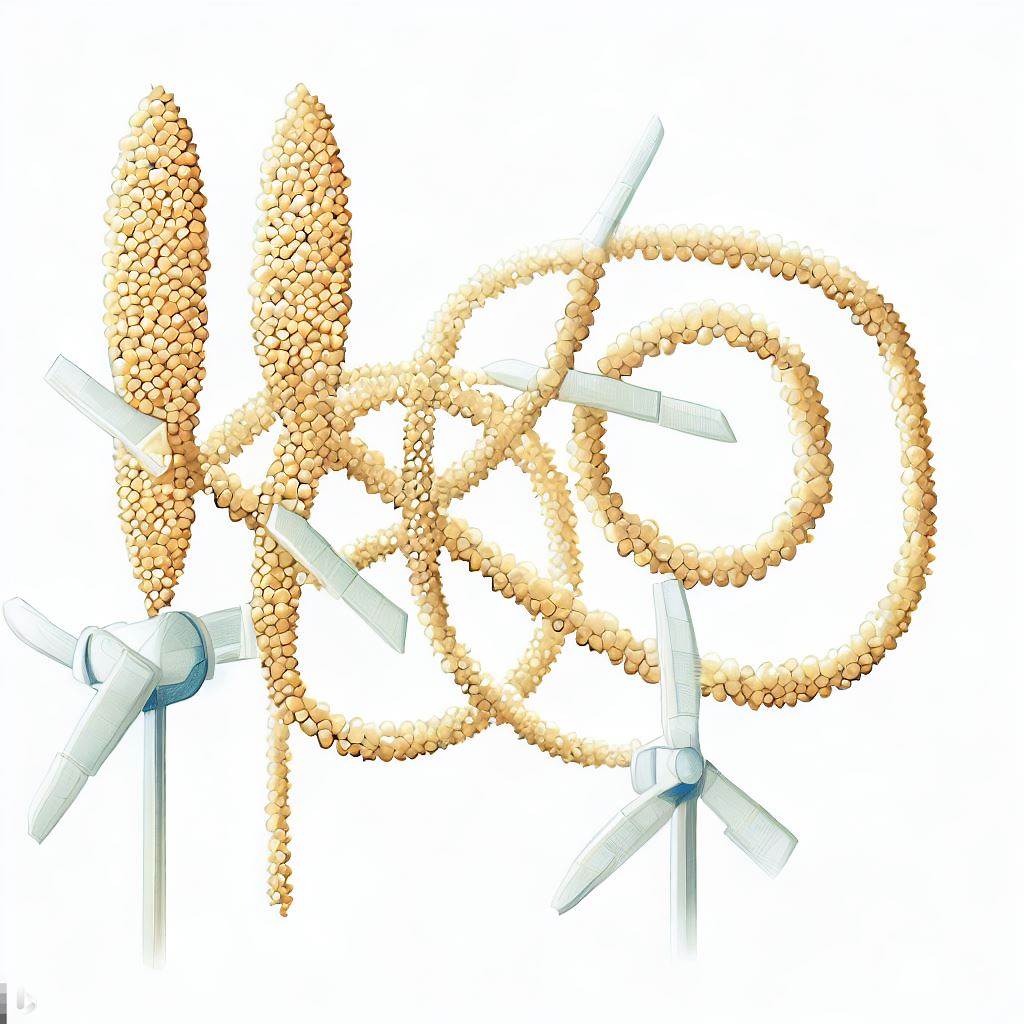
You know, I had one of those “aha!” moments the other day while hiking through the Cascades. No, I didn’t stumble upon Bigfoot making a smoothie; although that would have been epic! Instead, I found myself marveling at the juxtaposition of a natural ecosystem thriving amidst a landscape dotted with wind turbines. How curious that this blade-wielding modernity exists coherently with the intricate weave of Mother Nature. It got me thinking about how our daily actions, even the seemingly trivial ones, can either promote or disrupt this harmonious coexistence.
Just like the proverbial butterfly flapping its wings, our choices in the kitchen send ripples throughout the globe. Let’s be real, the kitchen isn’t just for Top Chef marathons and midnight ice-cream raids; it’s a playground for responsible living. Take, for example, quinoa, the darling of plant-based diets. You might think you’re just prepping a side dish, but you’re actually participating in a larger narrative of sustainability. Let me explain.
A Grain of Truth
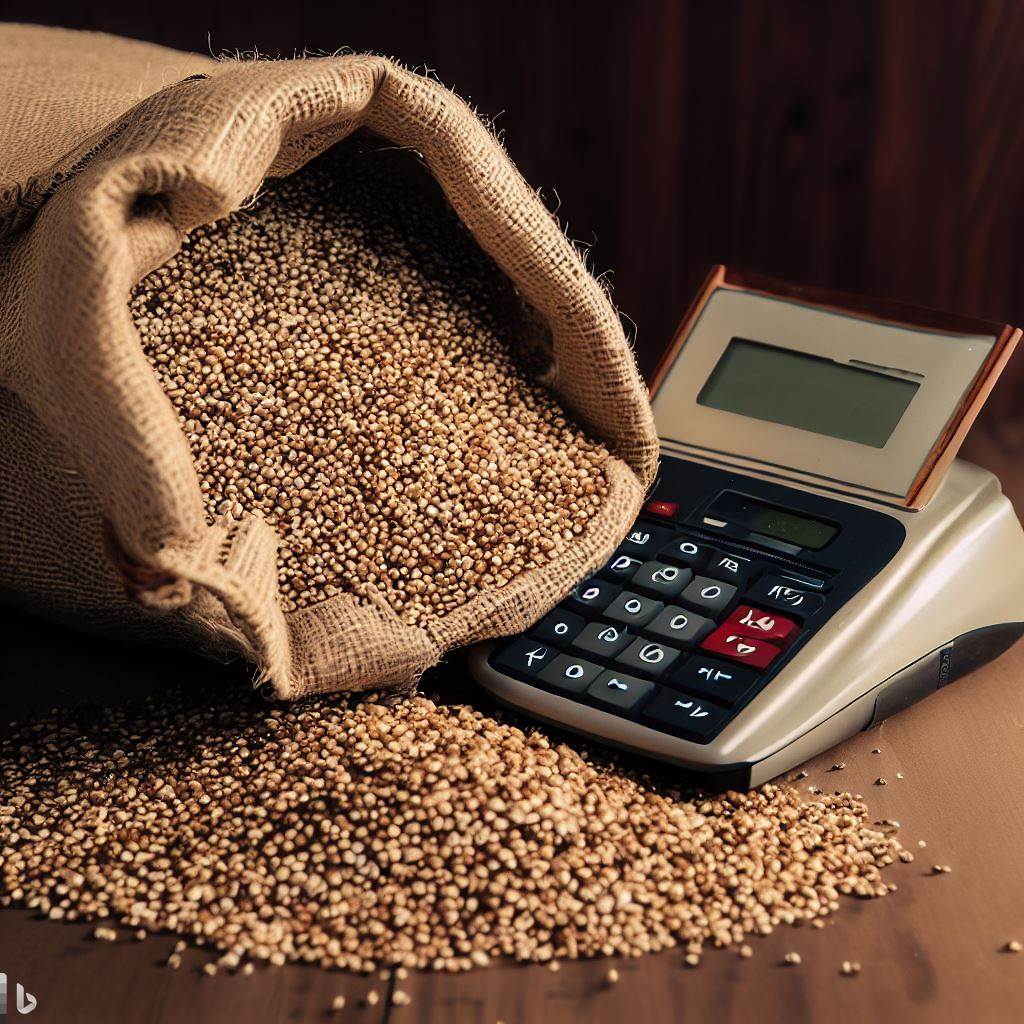
Not all grains are created equal. Quinoa is an ancient superfood originating from the Andes, chock-full of protein, fiber, and essential minerals like magnesium and manganese. Even the United Nations has hailed it as a crop with the potential to end world hunger. Here’s the kicker: compared to other grains like rice or wheat, quinoa demands less water and can thrive in varied soil conditions. It’s like the superhero of the plant kingdom.
And did you know that a single wind turbine can generate enough electricity to power 1,400 households for an entire day? Talk about packing a punch! The grain and the wind turbine aren’t so different; they’re both modest champions contributing to global sustainability.
Beyond the Plate
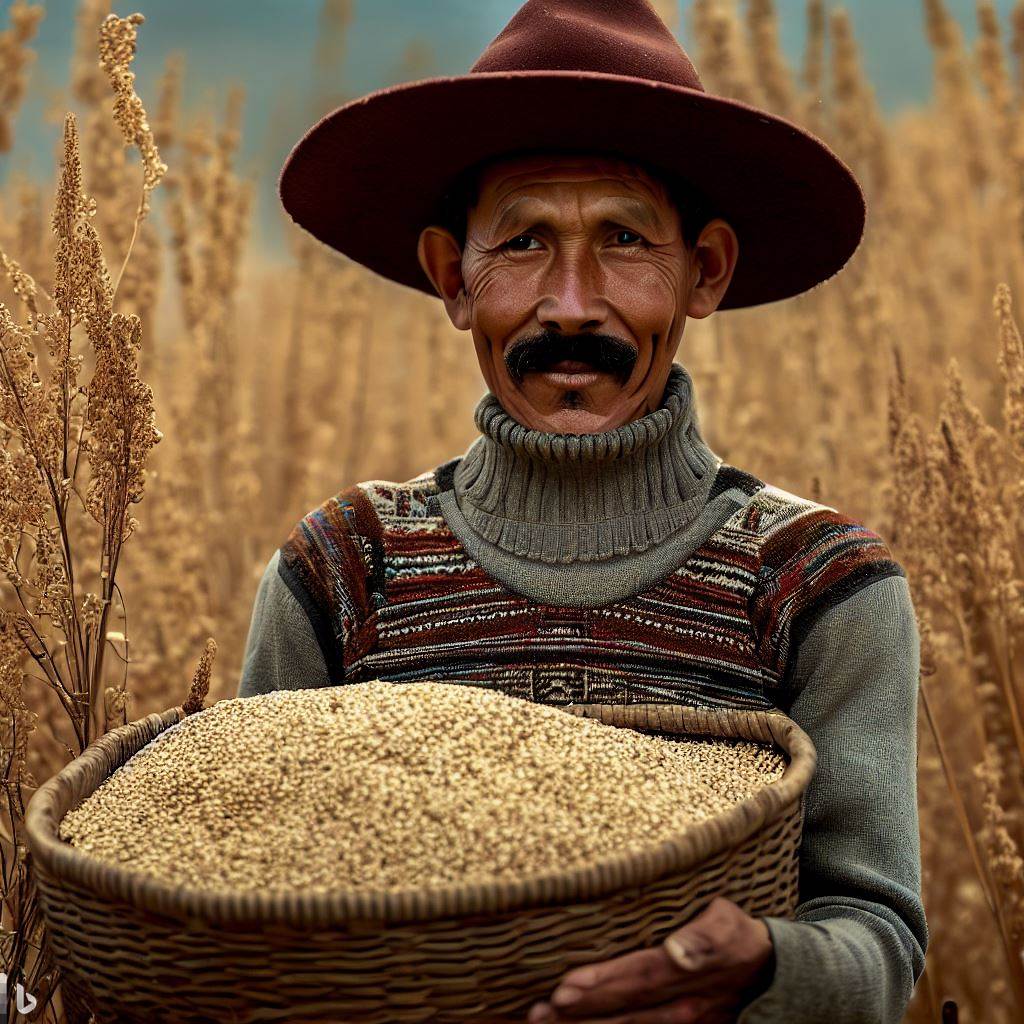
You might have read about the explosion of quinoa’s popularity leading to economic booms in countries like Peru and Bolivia. On the surface, it appears beneficial, but it’s a double-edged sword. The influx of Western demand has caused some locals to switch from traditional farming to cash crops. This alteration in land usage impacts not only local economies but also the biodiversity in these regions.
Yet, with the increasing use of solar panels in farming practices, there’s a growing initiative to counterbalance the environmental toll. Photovoltaic cells are providing rural farmers with a sustainable source of energy for irrigation, reducing their dependency on fossil fuels. It’s a patchwork of pros and cons, a delicate balancing act that we’re all a part of, knowingly or unknowingly.
The Recipe of Sustainability
Ingredients
- 1 cup quinoa, rinsed
- 2 cups vegetable broth
- 1 tablespoon olive oil
- 1 medium onion, diced
- 2 cloves garlic, minced
- 1 cup seasonal vegetables (e.g., bell peppers, zucchini, carrots)
- 1/4 cup fresh herbs (e.g., parsley, basil, chives), finely chopped
- Salt and pepper to taste
- Optional: lemon zest for garnish
Equipment
- Medium saucepan with lid
- Frying pan
- Wooden spoon
- Measuring cups and spoons
Instructions
- Cook Quinoa: In a medium saucepan, bring 2 cups of vegetable broth to a boil. Add the rinsed quinoa, reduce heat to low, cover, and simmer for 15-20 minutes, or until the quinoa is cooked and the liquid is absorbed. Fluff with a fork and set aside.
- Sauté Veggies: While the quinoa is cooking, heat olive oil in a frying pan over medium heat. Add diced onion and sauté until translucent. Add minced garlic and cook for an additional minute, or until fragrant.
- Seasonal Flavor: Add your chosen seasonal vegetables to the pan. Cook until tender but still vibrant, about 5-7 minutes.
- Herb Magic: Stir in the finely chopped herbs. Season with salt and pepper to taste.
- Combine: Mix the sautéed veggies and herbs into the cooked quinoa. Gently fold everything together to combine the flavors.
- Garnish and Serve: Optionally, garnish with a sprinkle of lemon zest for added zing. Serve hot as a stand-alone dish or as a delightful side.
Chef’s Notes
- You can always substitute vegetable broth with water, but the broth adds an extra layer of flavor.
- Feel free to get creative with the vegetables based on the season. Sustainability is all about adapting to the environment, after all.
- Solar cooking tip: If you have a solar cooker, you can absolutely use it to cook the quinoa. It’s energy-efficient and adds a touch of sunshine to your dish!
Wind, Sun, and Quinoa: The Trilogy
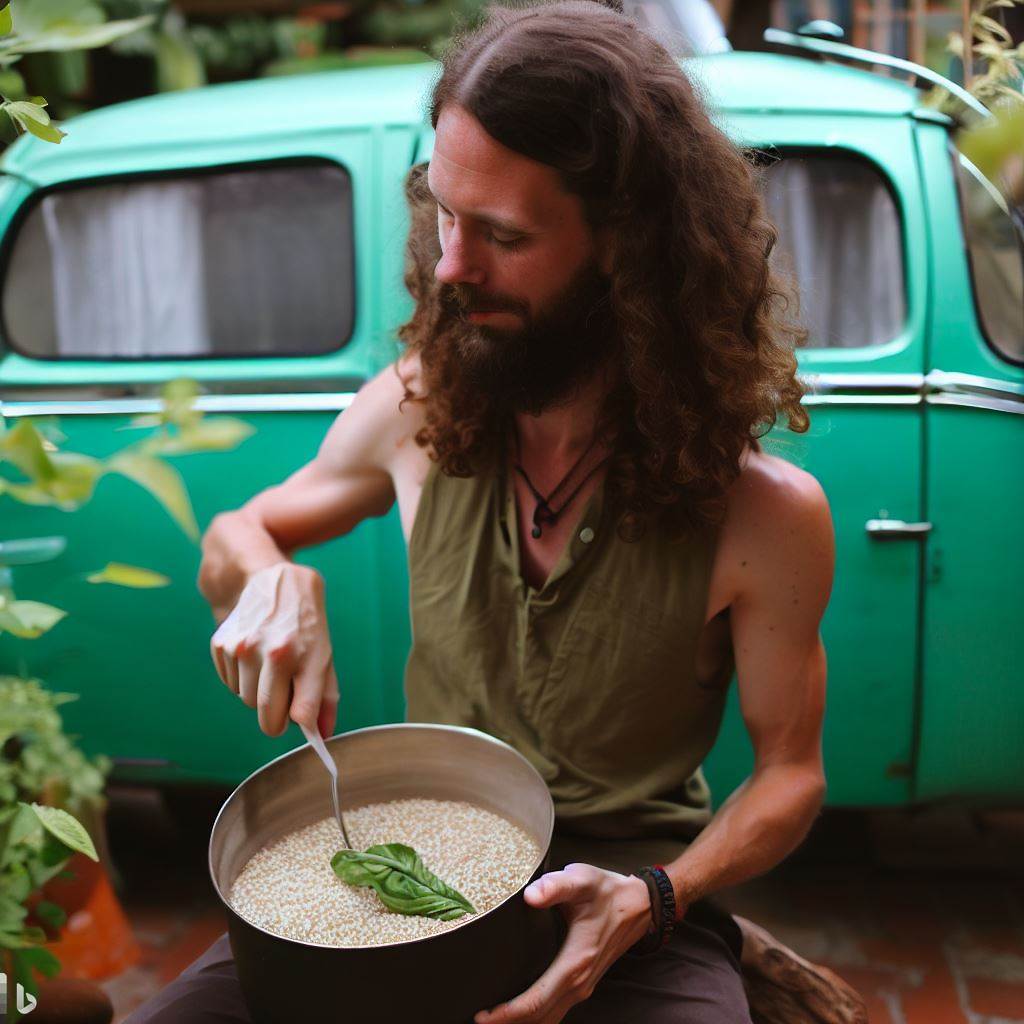
As someone who derives equal joy from cooking a mouth-watering dish and setting up a miniature wind turbine model, the connection between renewable energy and food is unmistakable. Imagine a world where your quinoa pilaf is cooked using solar energy harvested from your own rooftop, or better yet, from community-owned solar farms. It’s not some far-fetched sci-fi concept; it’s a palpable future that we can bring to fruition through conscious choices.
So, the next time you’re whipping up that quinoa masterpiece in your kitchen, remember, you’re not just a home cook; you’re a sustainability champion, a culinary artist with the power to tip the scales towards a greener, more equitable world. As for me, I’ll continue my adventures in the Cascades, daydreaming of a planet where wind turbines and butterflies coexist in poetic harmony.

Till next time, keep it quirky, keep it quinoa, and above all, keep it green!
🌿 – Seb
That’s it, folks! I hope you enjoyed this deep-dive into the intricate relationship between quinoa, renewable energy, and sustainable practices. I’d love to hear your thoughts and any quinoa recipes you’re eager to try. Keep those green vibes going and catch you next week!
 Bites & Bytes
Leave a comment