
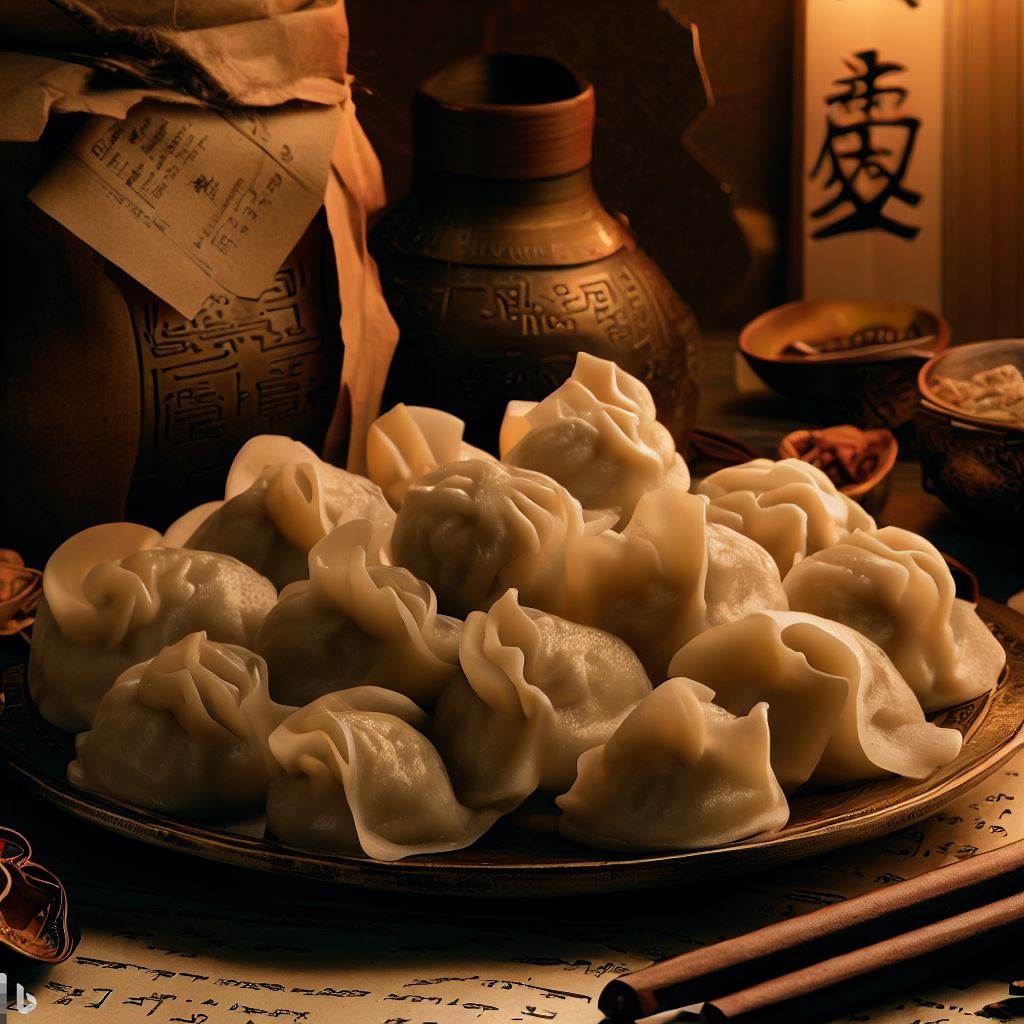
Ah, the humble dumpling—a pocket of comfort that transcends national boundaries and historical epochs. These unassuming parcels have appeared on dinner tables and in royal feasts across continents, echoing humanity’s shared love for simple, yet hearty food. Today, let’s unearth the fascinating voyage of this culinary delight, and how it might inspire your own gastronomic explorations.
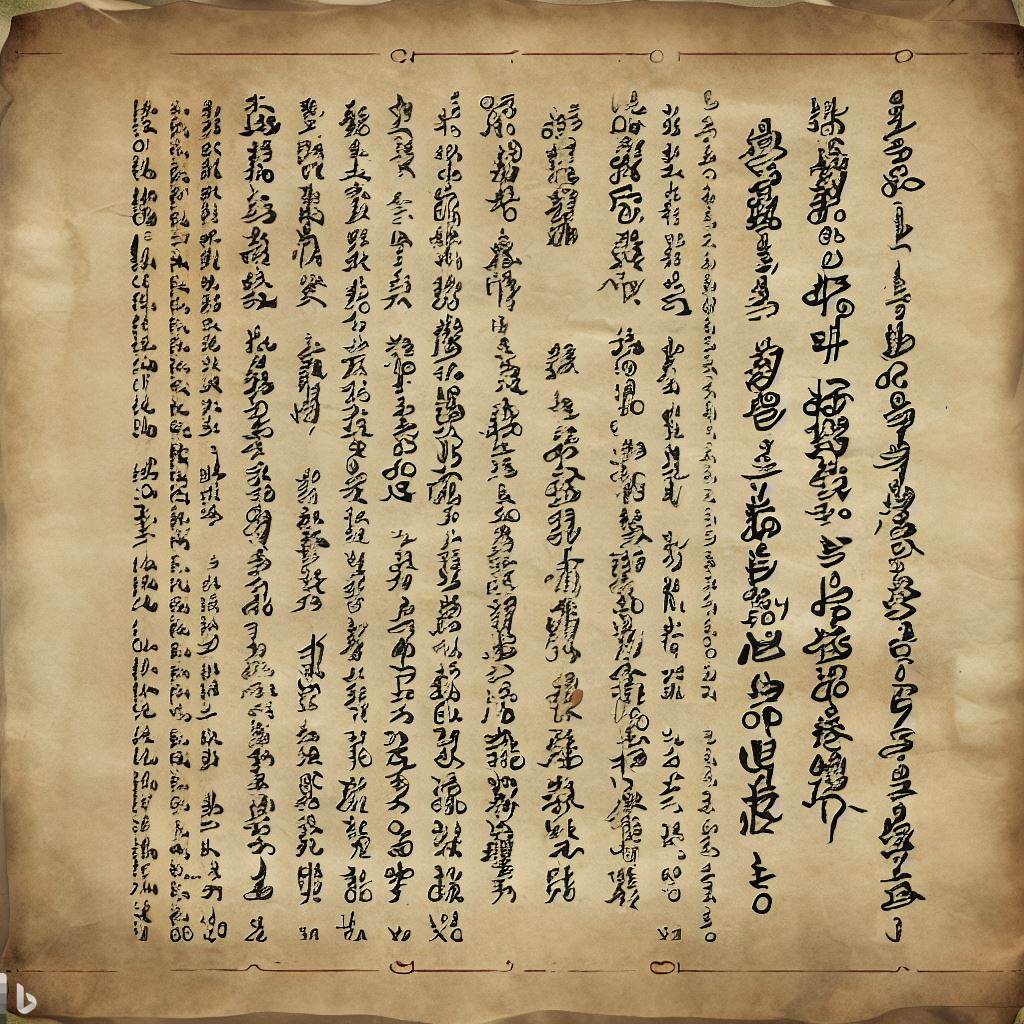
In a way, dumplings are like little edible time capsules. They encapsulate the flavors and textures of a bygone era while serving as a canvas for modern culinary creativity. Let me take you back to ancient China, where one of the earliest records of dumplings dates back to the Han Dynasty (206 BCE – 220 CE). Zhang Zhongjing, the famed medical sage, created a dish made of minced meat and medicinal herbs wrapped in dough, intending it to warm the bodies and spirits of villagers suffering from frostbite.
Fast forward a few centuries and a few thousand miles, and we find the dumpling reimagined in Italy during the Renaissance. Stuffed pasta, in the form of ravioli, emerged as a luxurious dish, often filled with spiced meats, cheeses, or even sweet fillings and served at grand banquets.
But how did the dumpling transition from medicinal treatment to a gourmet centerpiece, and what implications does that have for us, the 21st-century gastronomes?
- Dumplings are Adaptable: This versatile dish can be found in the form of Poland’s pierogi, India’s momo, and Japan’s gyoza, among many others. It’s a true culinary chameleon, morphing to fit the local palate while retaining its essential nature.
- Affordable and Accessible: Unlike many other dishes that have lofty origins, dumplings have always been a food of the people—easy and inexpensive to make, yet immensely satisfying.
- A Ritualistic Element: The act of making dumplings often becomes a communal affair. Whether it’s the Lunar New Year or Christmas Eve, these parcels bring people together, both in the making and the enjoying.
- Sustainability: With their ability to encapsulate various fillings, dumplings are champions of food sustainability. Leftover meats and vegetables can be given a second life when encased in a simple dough.
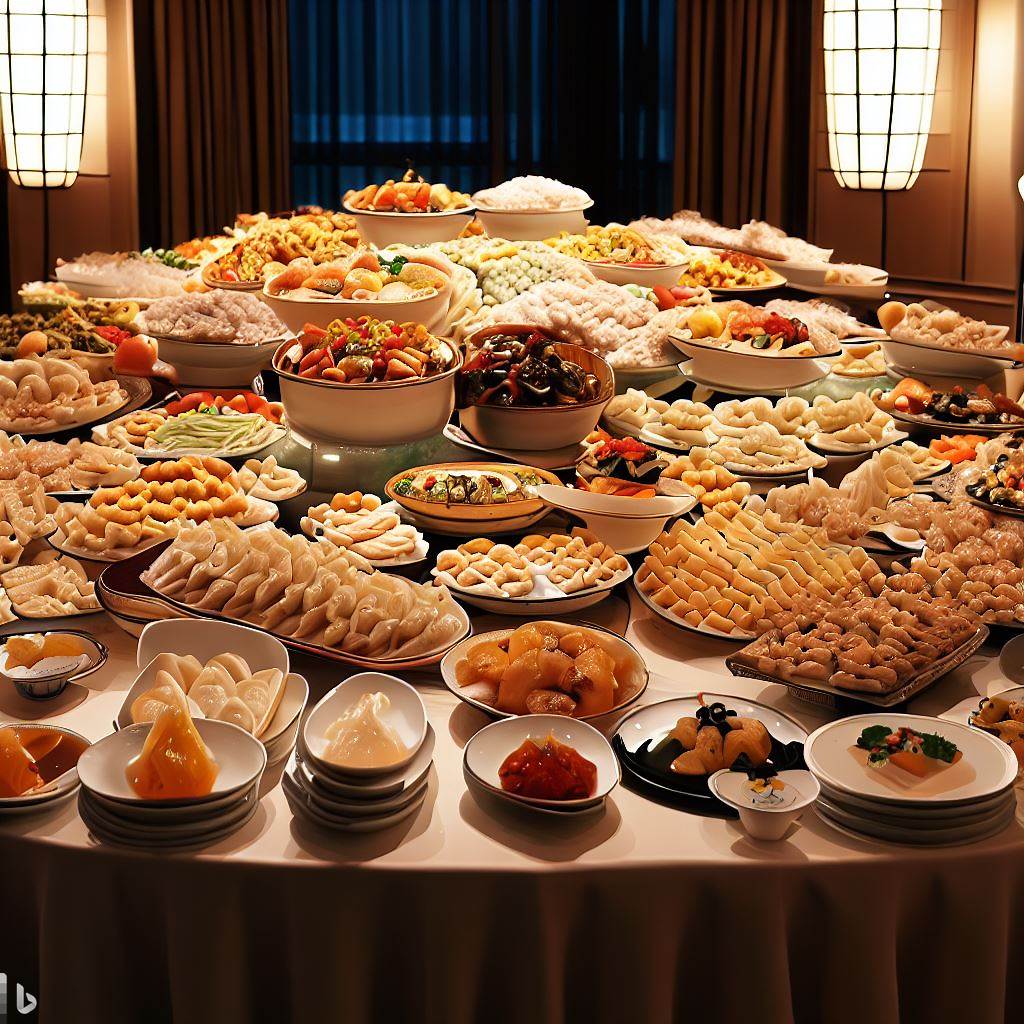
Our modern culinary landscape is a smorgasbord of choices, and yet the dumpling remains steadfast, reminding us of the simple joys of food. Whether you’re a Michelin-starred chef or a home cook, the dumpling serves as a testament to the everlasting link between our past and present tastes.
And now, I suspect you might be craving a dumpling of your own, are you not?
Recipe: International Dumpling Medley
Ingredients
For the Basic Dumpling Dough
- 2 cups all-purpose flour
- 1 cup warm water
For the Chinese Pork Filling
- 1 lb ground pork
- 2 green onions, finely chopped
- 1 tbsp soy sauce
- 1 tsp sesame oil
- 1/2 tsp ground ginger
- 1/2 tsp sugar
For the Italian Ricotta Filling
- 1 cup ricotta cheese
- 1/4 cup grated Parmesan
- 1 egg
- Salt and pepper to taste
- A pinch of nutmeg
For the Polish Potato and Cheese Filling
- 2 large potatoes, boiled and mashed
- 1 cup shredded cheddar cheese
- Salt and pepper to taste
Dipping Sauce (Optional)
- 2 tbsp soy sauce
- 1 tbsp vinegar
- A dash of sesame oil
Instructions
- Prepare the Dough: In a large bowl, mix the flour and warm water until a dough forms. Knead until smooth, then cover and let it rest for at least 30 minutes.
- Prepare the Chinese Pork Filling: Combine all the ingredients in a bowl and mix well. Set aside.
- Prepare the Italian Ricotta Filling: Combine the ricotta, Parmesan, egg, salt, pepper, and nutmeg in a bowl. Mix until well incorporated. Set aside.
- Prepare the Polish Potato and Cheese Filling: Mix the mashed potatoes and cheddar cheese in a bowl. Season with salt and pepper. Set aside.
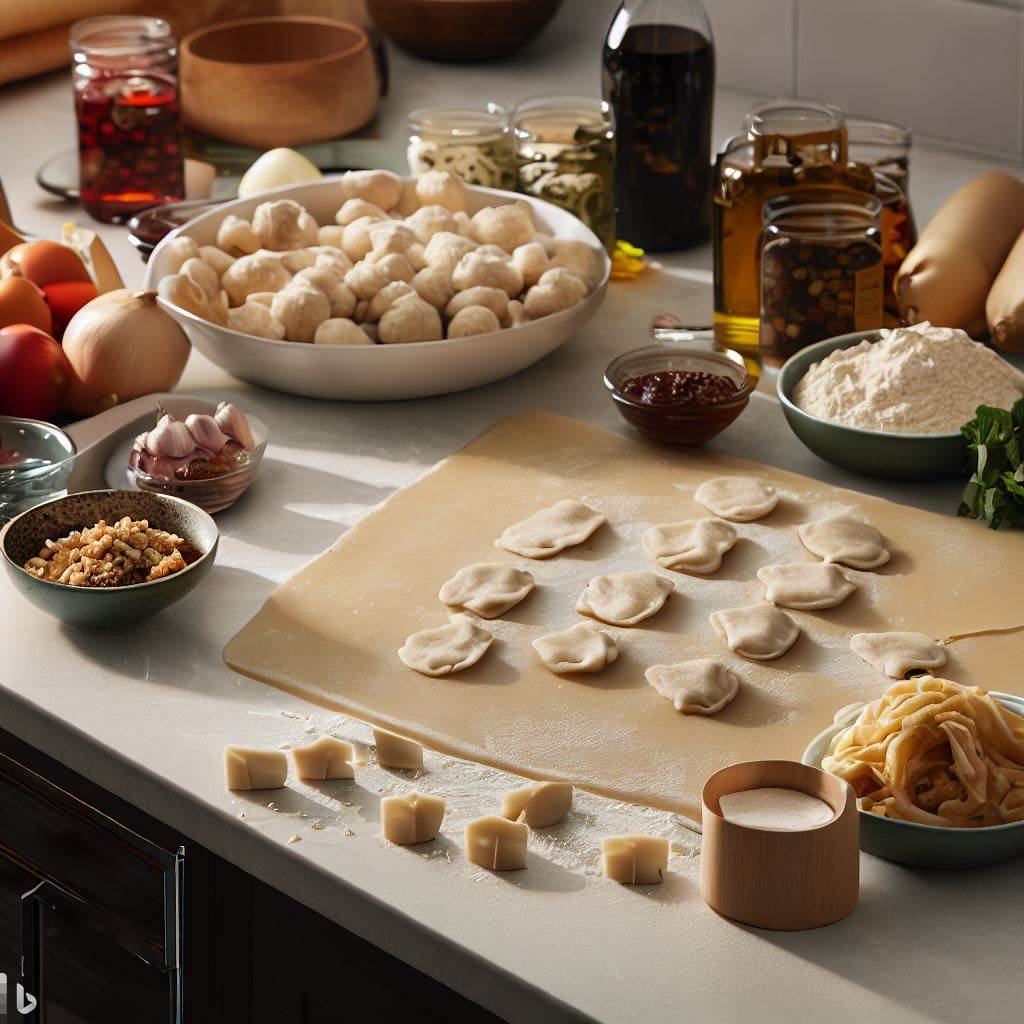
- Assemble the Dumplings: Divide the dough into small balls. Roll each ball into a thin circle, about 3 inches in diameter. Place a spoonful of your chosen filling in the center. Fold the dough over the filling to create a half-moon shape. Seal the edges by pinching them together.
- Cook the Dumplings: Bring a pot of water to a boil. Drop the dumplings in and cook until they float to the top, about 4-5 minutes. Remove with a slotted spoon.
- Prepare the Dipping Sauce: Combine the soy sauce, vinegar, and sesame oil in a small bowl. Mix well.
- Serve and Enjoy: Serve the dumplings hot with the optional dipping sauce.
This recipe yields approximately 24 dumplings, giving you a taste of international flavors encapsulated in the humble dough shell. It’s like a gastronomic world tour in the comfort of your own kitchen! Feel free to let your culinary creativity flow, experimenting with fillings that capture the essence of your own food heritage or current cravings.
Bon Appétit!
I can see your kitchen bustling with activity already, the counter adorned with colorful ingredients and the air filled with the warm scent of culinary alchemy. As you recreate this dish, may each bite serve as a delectable connection to centuries of shared human history, one that tantalizes not just the taste buds, but the ever-curious mind as well. Bon Appétit!
Acknowledgments: My deepest appreciation to the countless chefs, home cooks, and food historians who continue to enrich our culinary heritage. You keep the fires of our collective gastronomic imagination burning bright.
Note: A version of this post first appeared on Bites & Bytes. All rights are reserved.
 Bites & Bytes
Leave a comment