
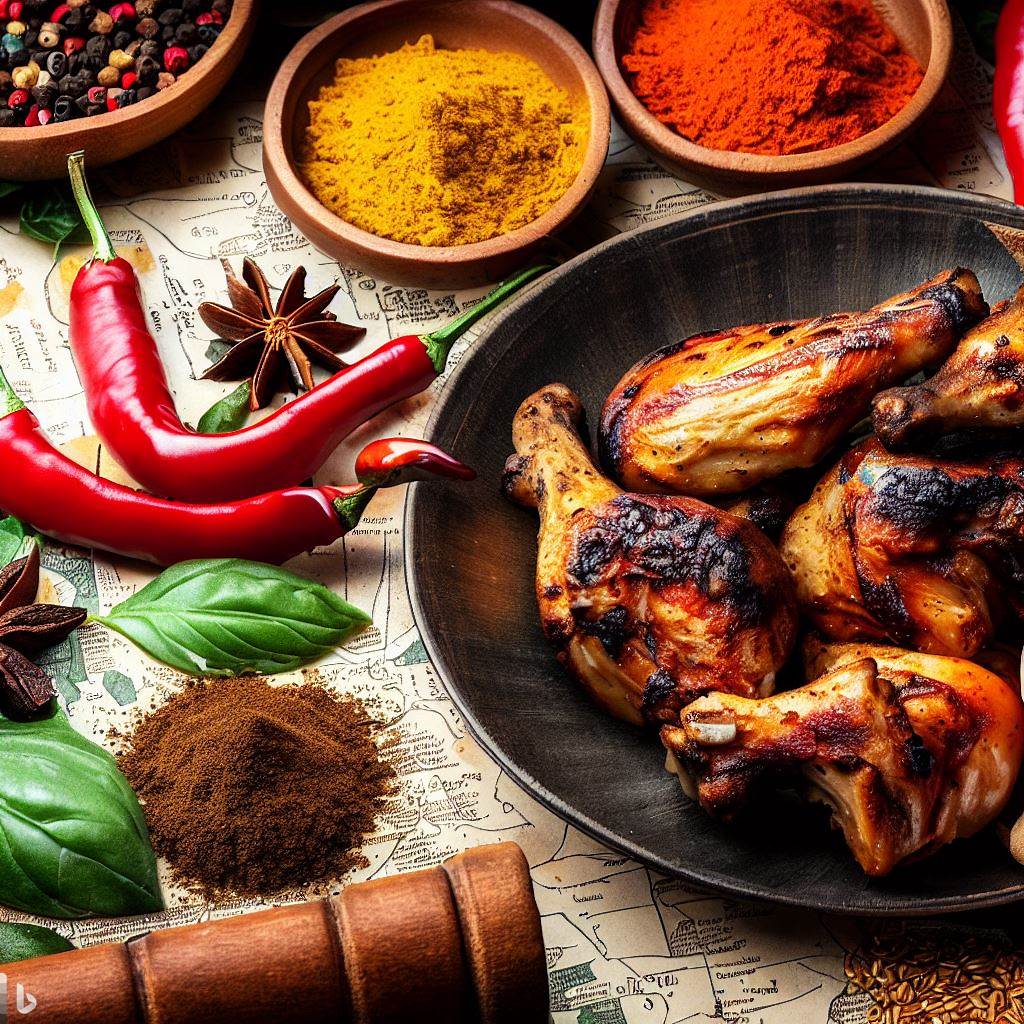
Ah, the allure of spices! They are the invisible magicians, casting spells in the culinary theater, transforming the mundane into the extraordinary. But how often do we pause to ponder the historical odyssey of these fragrant nuggets? Allow me to focus your gaze on an unsung hero in your kitchen, the black peppercorn.
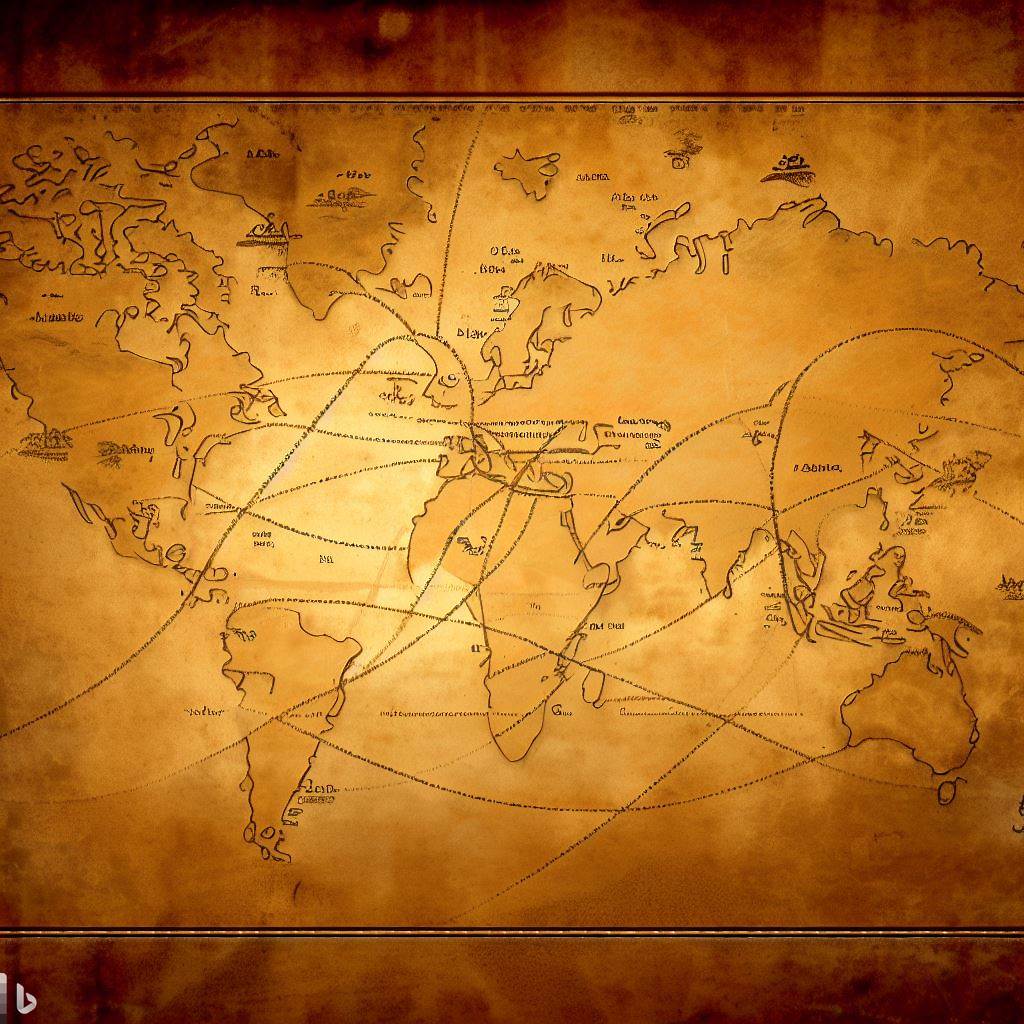
In 1498, Vasco da Gama set sail from Portugal, not merely in the spirit of exploration but in pursuit of spices, specifically black pepper. His arrival in Calicut, a coastal city in present-day Kerala, India, marked a turning point in the global spice trade. This was an era when black pepper was worth its weight in gold—literally! In Ancient Rome, pepper was so coveted that it was used to pay ransoms and tributes. Even Attila the Hun demanded it in exchange for sparing the city of Rome! As a result, the spice trade routes were labyrinthine conduits of cultural exchange, brimming with geopolitical complexities and even sparking the age of colonialism. The magnitude of such a “humble” spice in shaping historical narratives is astounding.

The peppercorn’s journey didn’t stop at being a symbol of wealth and power; it metamorphosed into an indispensable culinary element. To those unfamiliar with the nitty-gritty of the gastronomic realm, black, white, and green peppercorns are actually the same fruit, plucked at various stages of ripeness and processed differently. The taste profile of each is a subtle tribute to the intricate processes behind their transformation—a dance of natural elements and human intervention.
In my opinion, the fascination with black pepper epitomizes our enduring relationship with spices: the complex interplay of economics, politics, and cuisine. And isn’t that the essence of food history? A rich tapestry woven from countless threads of human endeavor, gustatory preferences, and often, sheer happenstance.
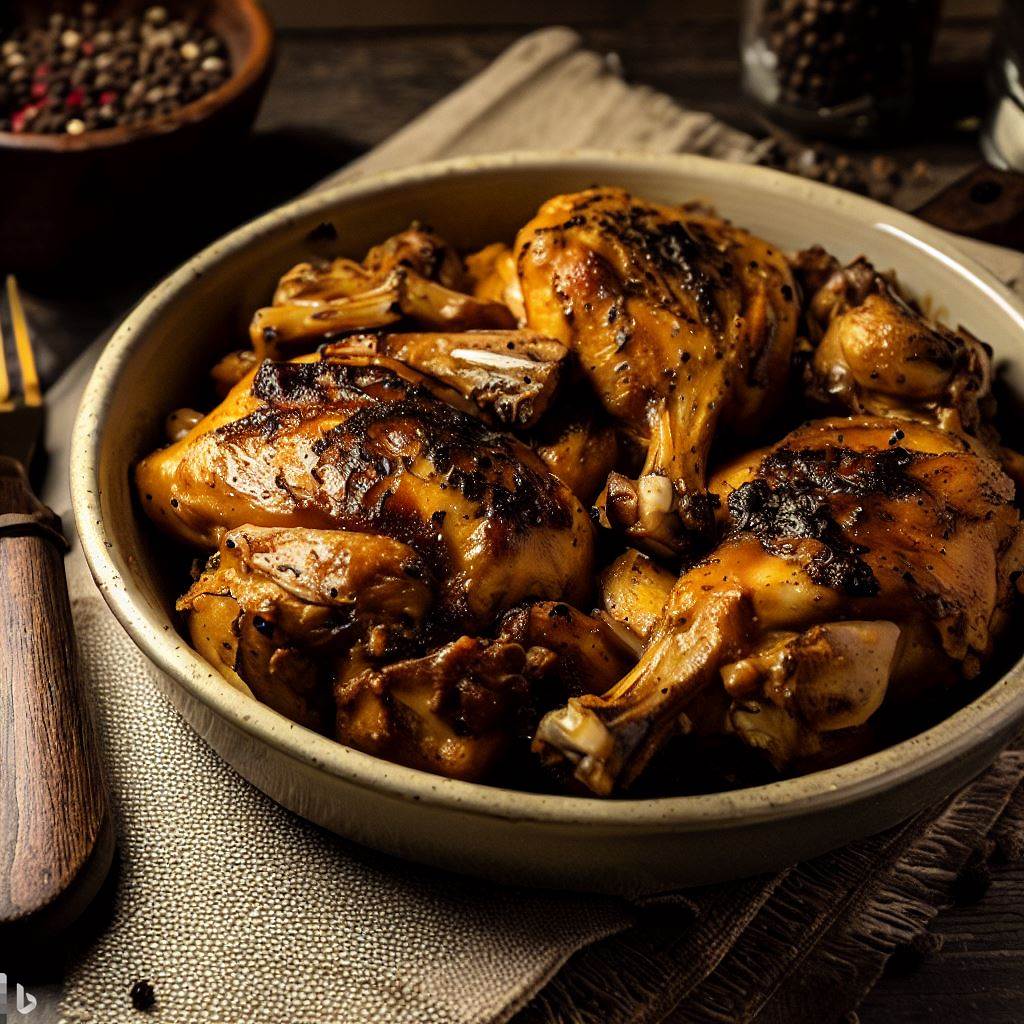
Black Pepper Chicken: A Culinary Ode to a Historic Spice
Ingredients
- 2 lbs chicken breasts or thighs, cut into bite-sized pieces
- 2 tablespoons vegetable oil
- 1 large onion, thinly sliced
- 1 red bell pepper, thinly sliced
- 1 green bell pepper, thinly sliced
- 3 cloves garlic, minced
- 1-inch piece of ginger, grated
- 2 tablespoons soy sauce
- 1 tablespoon oyster sauce
- 2 teaspoons freshly ground black pepper
- 1/2 teaspoon white pepper (optional, for added heat)
- Salt to taste
- 2 green onions, chopped (for garnish)
- 1 teaspoon sesame seeds (for garnish)
Marinade
- 1 tablespoon soy sauce
- 1 tablespoon cornstarch
- 1/2 teaspoon freshly ground black pepper
Instructions
- Prepare the Marinade: In a mixing bowl, combine 1 tablespoon soy sauce, 1 tablespoon cornstarch, and 1/2 teaspoon black pepper. Add the cut chicken pieces and mix until well coated. Let it marinate for at least 30 minutes.
- Sauté the Aromatics: Heat vegetable oil in a large skillet over medium heat. Add the minced garlic and grated ginger. Sauté until aromatic but not burnt.
- Cook the Onions and Peppers: Add the thinly sliced onions and bell peppers to the skillet. Stir and cook until they soften, about 5-7 minutes.
- Cook the Chicken: Add the marinated chicken pieces to the skillet. Stir well to combine with the vegetables. Cook until the chicken is no longer pink, about 8-10 minutes.
- Add the Sauces: Pour in 2 tablespoons soy sauce and 1 tablespoon oyster sauce. Stir to blend the sauces into the chicken and vegetables.
- Season with Pepper: Add the freshly ground black pepper and optional white pepper. Stir to evenly distribute the spices.
- Final Taste Test: Taste and adjust the salt according to your preference.
- Garnish and Serve: Remove from heat and transfer to a serving plate. Sprinkle chopped green onions and sesame seeds as a garnish.
- Bon Appétit: Your Black Pepper Chicken is ready to serve. Enjoy this dish hot with steamed rice or noodles.
This recipe is a simple yet sophisticated ode to the black peppercorn, a spice that not only brings warmth and depth to your palate but also has a rich history worth celebrating every time you sit down to a meal. Enjoy cooking, and more importantly, savoring this dish that’s steeped in centuries of human endeavor!
So, the next time you casually sprinkle black pepper onto your salad or savor a pepper-infused dish, remember—you’re not just adding flavor, you’re partaking in a legacy that has shaped empires, dictated trade routes, and captured the human imagination for centuries.
Until our next culinary-historical escapade, may your kitchens be your own personal museums and your dishes a tribute to the multifaceted tales that shaped them.
Bon Appétit!


 Bites & Bytes
Leave a comment