
Hello, Bites & Bytes readers! I’m Elle, a culinary enthusiast with a deep-rooted passion for everything rice—its history, its flavors, and its indispensable place in global cuisines. I’m thrilled to share my insights with you today as a guest on this wonderful platform.
The Origin and Cultural Significance of Rice
Rice has been a staple food for countless civilizations for over 10,000 years. Originating in the Yangtze River basin in China, it spread across Asia and eventually reached Africa and the Americas. Its cultural importance cannot be overstated; rice signifies prosperity, fertility, and life itself in many traditions.
Flavor Philosophy: Why is Rice So Comforting?
There’s a profound reason why rice dishes like risotto, paella, and biryani have such a comforting aura. Rice has the unique ability to absorb flavors while maintaining its texture, making it a versatile base for various ingredients. Its glycemic index also helps in releasing energy slowly, keeping us full and content.
The Many Faces of Rice
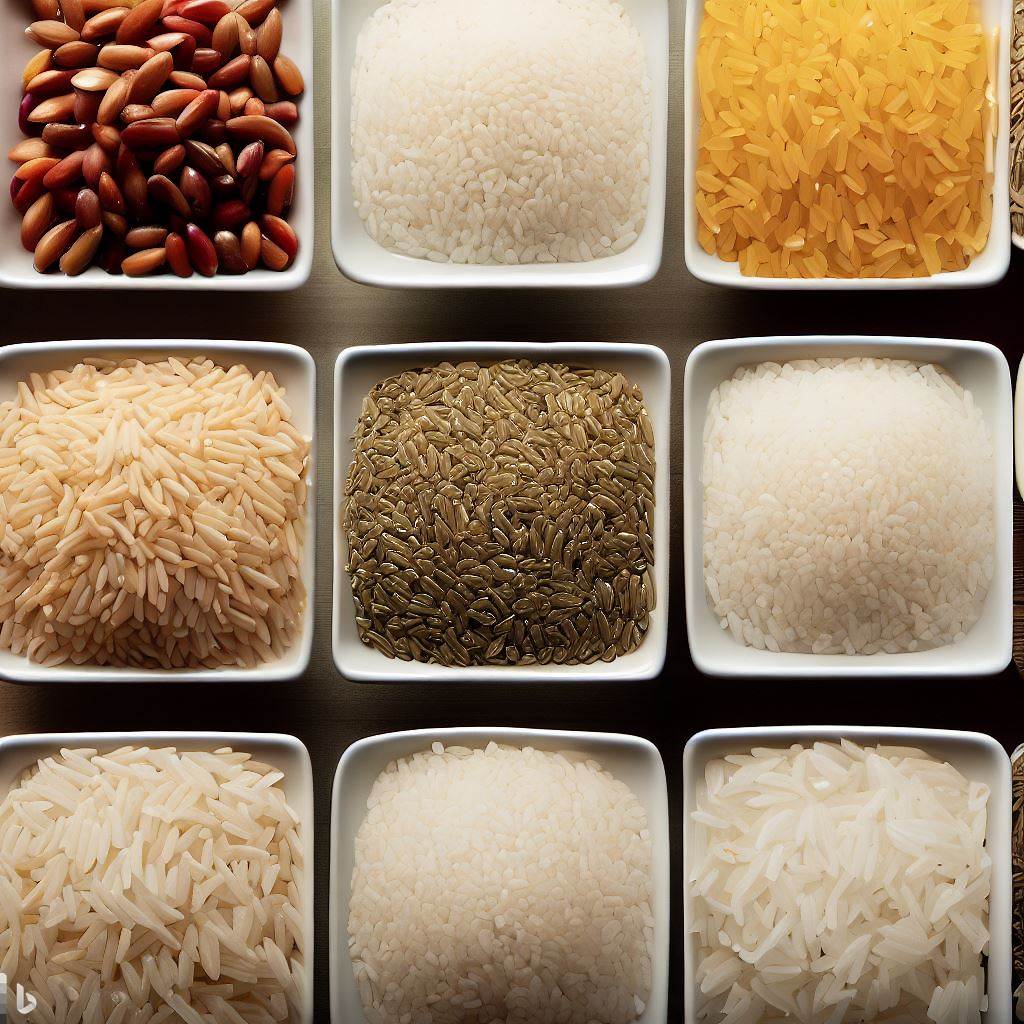
Whether it’s Jasmine, Basmati, Arborio, or wild rice, each type has a unique texture, flavor profile, and cooking time. The intricate differences between each type of rice create a myriad of culinary possibilities—from sticky rice used in sushi to the fluffy Basmati in Indian pulao.
Rice and Sustainability
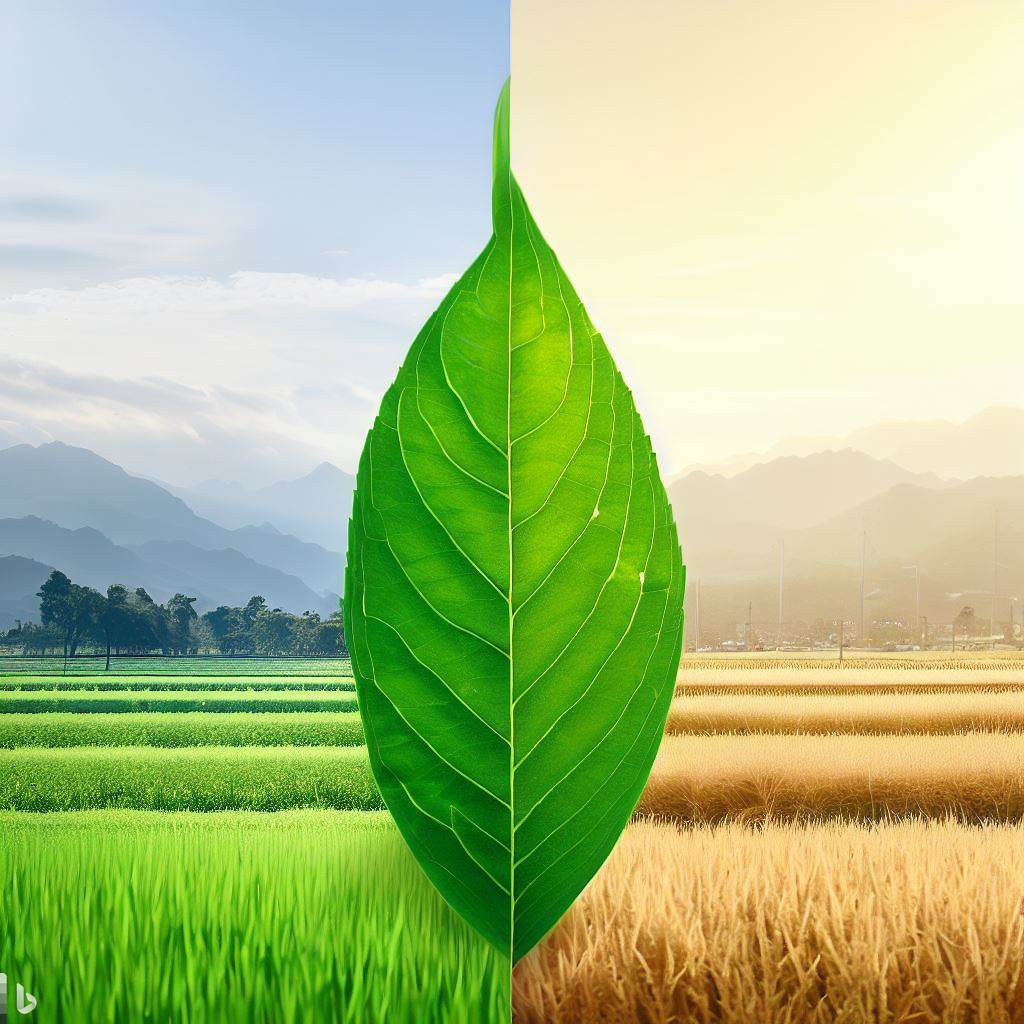
As we march towards a more sustainable future, it’s crucial to consider the water consumption and methane emissions associated with rice farming. Innovations like System of Rice Intensification (SRI) are making strides in reducing the environmental impact.
Elevate Your Rice Game
Before we sign off, here are some quick tips to elevate your rice dishes:
- Rinse your rice to remove excess starch.
- Use the right ratio of water to rice.
- Experiment with herbs and spices.
- Cook with broth instead of water for added flavor.
- Always let the rice sit for a few minutes after cooking.
Closing Thoughts
Rice is more than just a side dish; it’s a symbol of culture, a canvas for flavors, and an essential part of our food ecosystem. As we look forward to more sustainable and diverse culinary landscapes, the humble grain of rice will undoubtedly continue to play a central role.
And that’s a wrap! Thanks for reading, and a big shoutout to Bites & Bytes for having me here. Stay tuned for more flavorful insights!
About the Author
Hi, there! I’m Elle, your friendly culinary explorer who finds joy in the simple grains of rice. From the field to your fork, I love delving into the complexities of this ancient staple. Catch me at MyRiceJourney.com or follow me on Instagram.


 Bites & Bytes
Leave a comment