
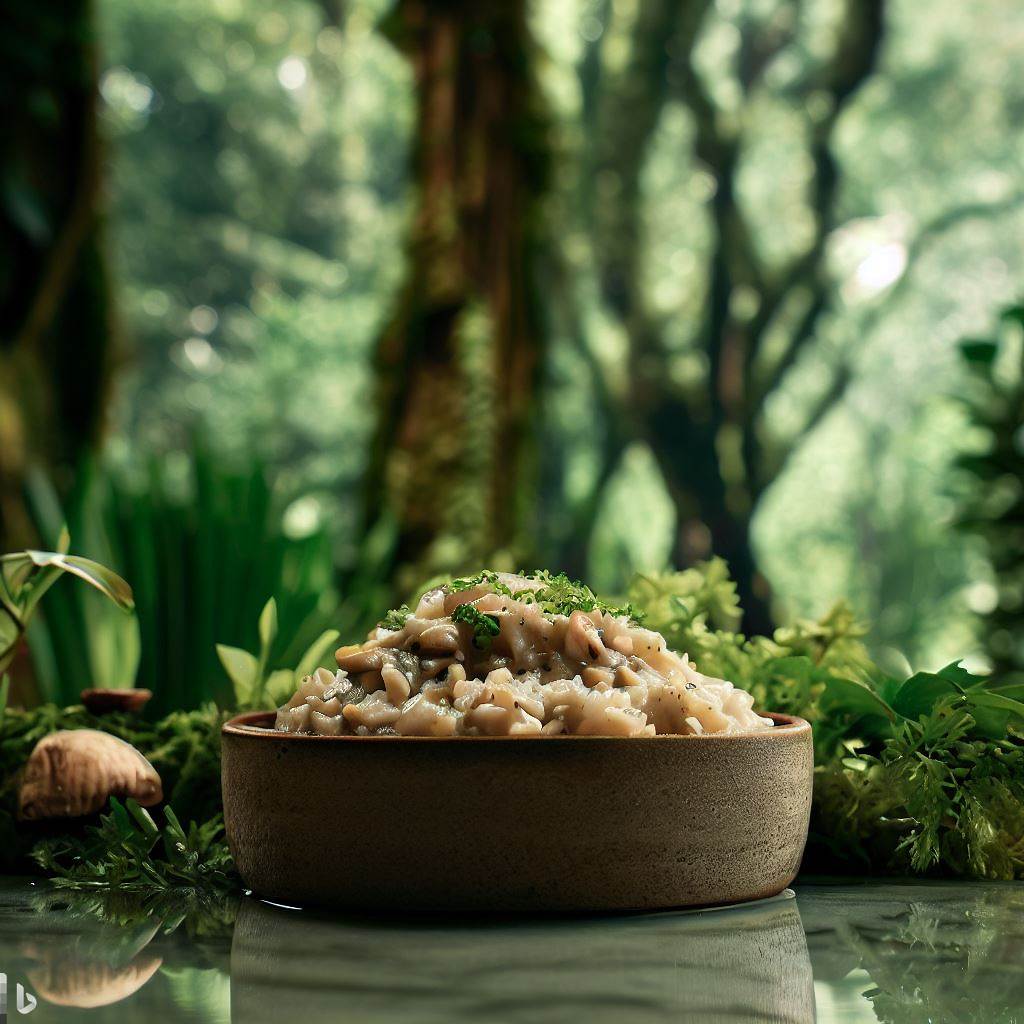

I recently found myself meandering through an old-growth forest with my eco-tribe. We were on a mission, my friends. Not just any mission, mind you, but one of the most time-honored foraging quests known to food enthusiasts and sustainability mavens alike: mushroom hunting!
Why mushrooms, you ask? Well, fungi are a fascinating lens through which to explore the intricacies of our ecosystems. For instance, did you know that the mycelium—the vegetative part of a fungus—actually communicates with the plants around it? Yup, these underground networks share nutrients and information, sort of like nature’s own Internet.
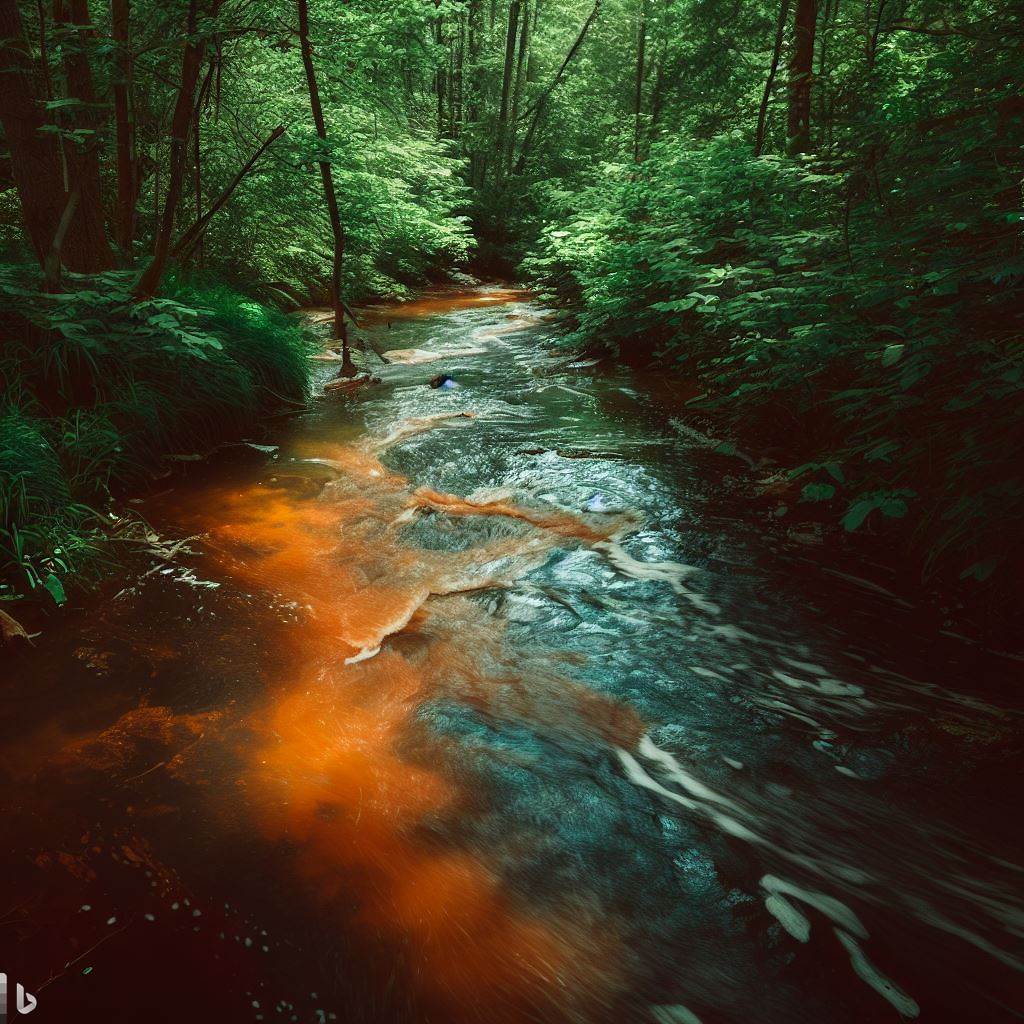
That day, while scrutinizing the ground for the telltale signs of edible mushrooms, we happened upon a stream that had been tainted with industrial runoff. It served as a somber reminder of the impact our human activities have on these havens of biodiversity. Streams like this one can spread contaminants throughout an ecosystem, affecting everything from the microscopic critters in the soil to the birds in the trees. It’s astonishing and a bit heartbreaking to recognize the ripple effect of one unsustainable action.
But I digress. Let’s swing back to something a bit more uplifting—our foraging adventure. You might be wondering what in the world this has to do with that most hallowed of culinary delights, the dinner plate.
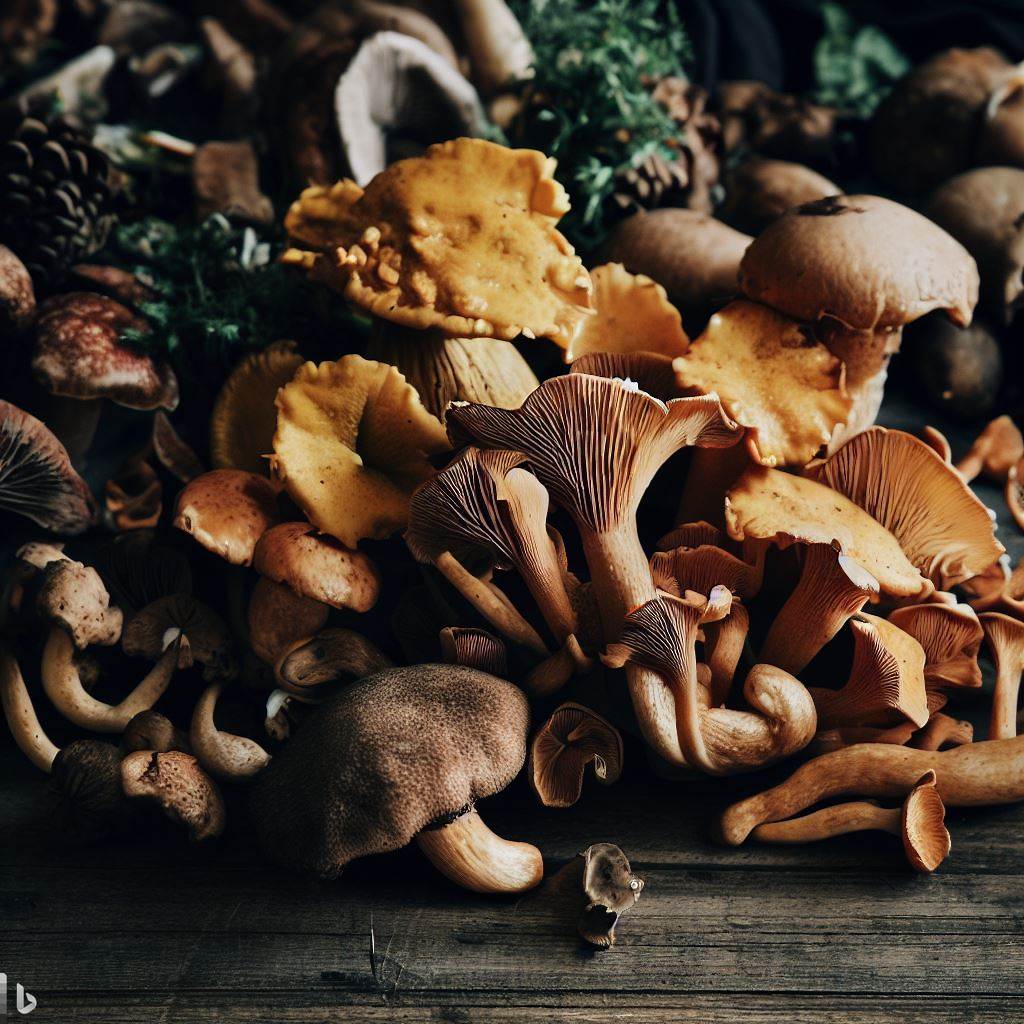
Well, once you understand the interconnectedness of all living things—like how mycorrhizal fungi work in symbiosis with trees to exchange nutrients—you’ll realize that every bite you take is a story. An ancient story of an intricate ballet performed by the elements, minerals, and living organisms that make your food possible.
You see, fungi and plants have been around for about a billion years, evolving side by side. They’re the OG BFFs of Earth’s history. Isn’t it just mind-blowing to think that your meal tonight might have ingredients that carry the wisdom of eons?
This brings us to our pièce de résistance: Mushroom Risotto! Yes, you can make this restaurant-quality dish at home, and what better way to pay homage to the cycle of life than to use sustainably foraged or farmed mushrooms? It not only tantalizes the taste buds but is also kind to Mother Earth. 🌍
Mushroom Risotto with Foraged or Farmed Delights
Ingredients:
- 1 1/2 cups Arborio rice
- 4 cups vegetable broth (homemade if possible)
- 1 cup dry white wine
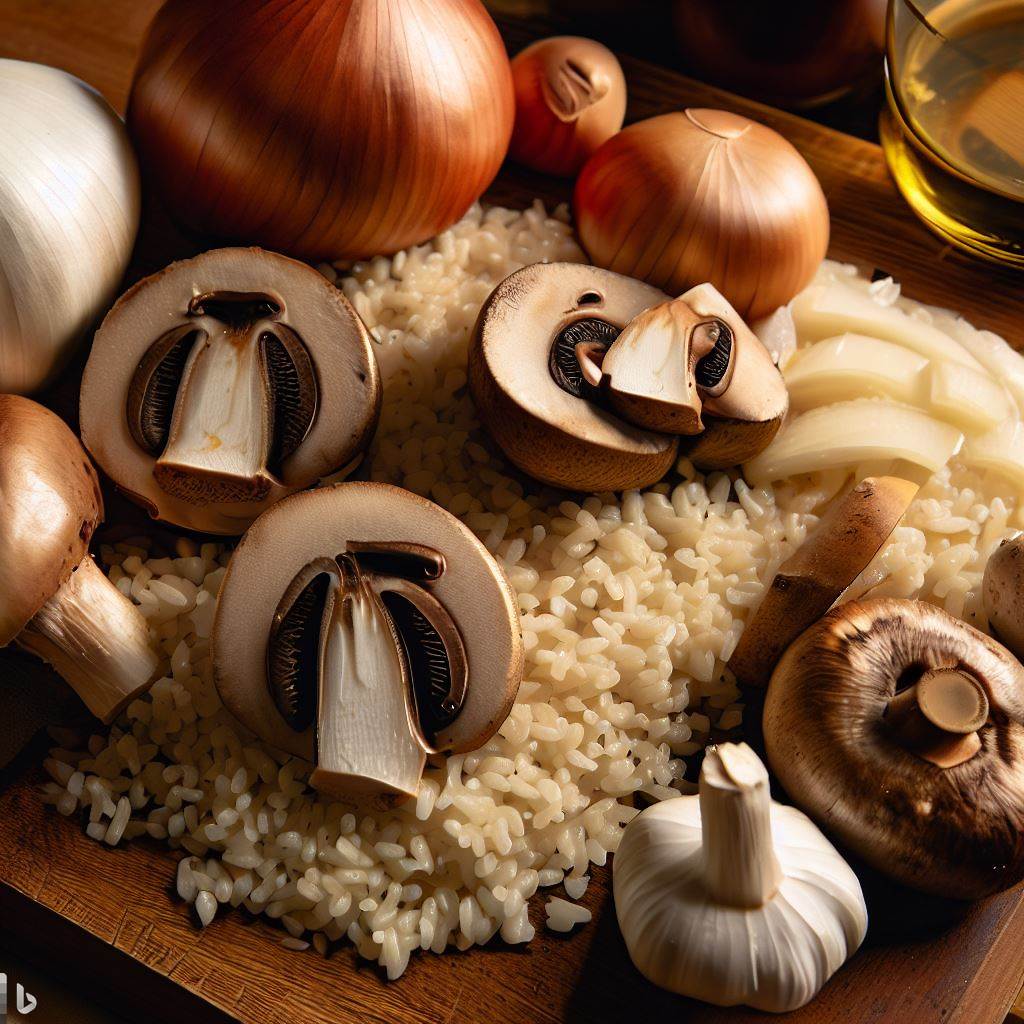
- 2 cups assorted mushrooms (chanterelles, morels, shiitakes, or whatever you’ve foraged or found)
- 1 medium onion, finely chopped
- 3 cloves garlic, minced
- 2 tablespoons olive oil
- 1 tablespoon unsalted butter
- 1/2 cup grated Parmesan cheese (optional)
- Salt and pepper to taste
- Fresh parsley, finely chopped, for garnish
Equipment:
- Large skillet or sauté pan
- Saucepan
- Wooden spoon
- Measuring cups and spoons
- Knife and cutting board
Instructions:
- Prep the Ingredients: Clean your mushrooms carefully with a damp cloth and slice them. Finely chop the onion and mince the garlic. Keep your vegetable broth warmed in a saucepan over low heat.
- Begin the Sauté: In a large skillet, heat the olive oil over medium heat. Add the onion and garlic, cooking until the onion is translucent.
- Mushroom Magic: Add the sliced mushrooms to the skillet. Cook until they release their moisture and become tender. Season with salt and pepper.
- Rice and Shine: Stir in the Arborio rice, making sure each grain gets coated with the oil and absorbs the savory mushroom-onion mixture.
- Wine Time: Pour in the dry white wine and stir until it’s mostly absorbed by the rice. This adds a layer of complexity and richness to your risotto.
- Broth Ballet: Begin adding the warm vegetable broth, one cup at a time. Stir frequently and allow the liquid to be absorbed before adding the next cup. This process should take about 18–20 minutes.
- Cheese and Butter: When the rice is al dente and has a creamy consistency, add the butter and grated Parmesan cheese. Stir until they melt seamlessly into the risotto. If you’re going vegan, you can skip this step or use plant-based alternatives.
- Final Touch: Taste and adjust the seasoning. Garnish with freshly chopped parsley.
- Serve and Celebrate: Spoon the risotto into bowls and serve immediately. Your tastebuds and Mother Earth will thank you!
Chef’s Notes:
- You can use other types of rice like Carnaroli or Vialone Nano, but Arborio is the most commonly available and still yields a creamy risotto.
- Feel free to add a drizzle of truffle oil for extra luxuriousness, but remember, moderation is key!
Bon appétit and happy sustainable cooking! 🍄🌿🍴
While stirring your risotto and contemplating the wonders of existence, tune into my specially curated Spotify playlist: “Earthy Echoes.” It’s a blend of tunes that resonate with the natural world, capturing the essence of sustainability and the joy of cooking.
And so, dear readers, next time you see mushrooms, whether on your plate or peeking out from a forest floor, remember that they’re not just a food item or a pretty picture. They’re messengers from an underground world, harbingers of sustainability, and remnants of an age-old partnership between fungi and plants.
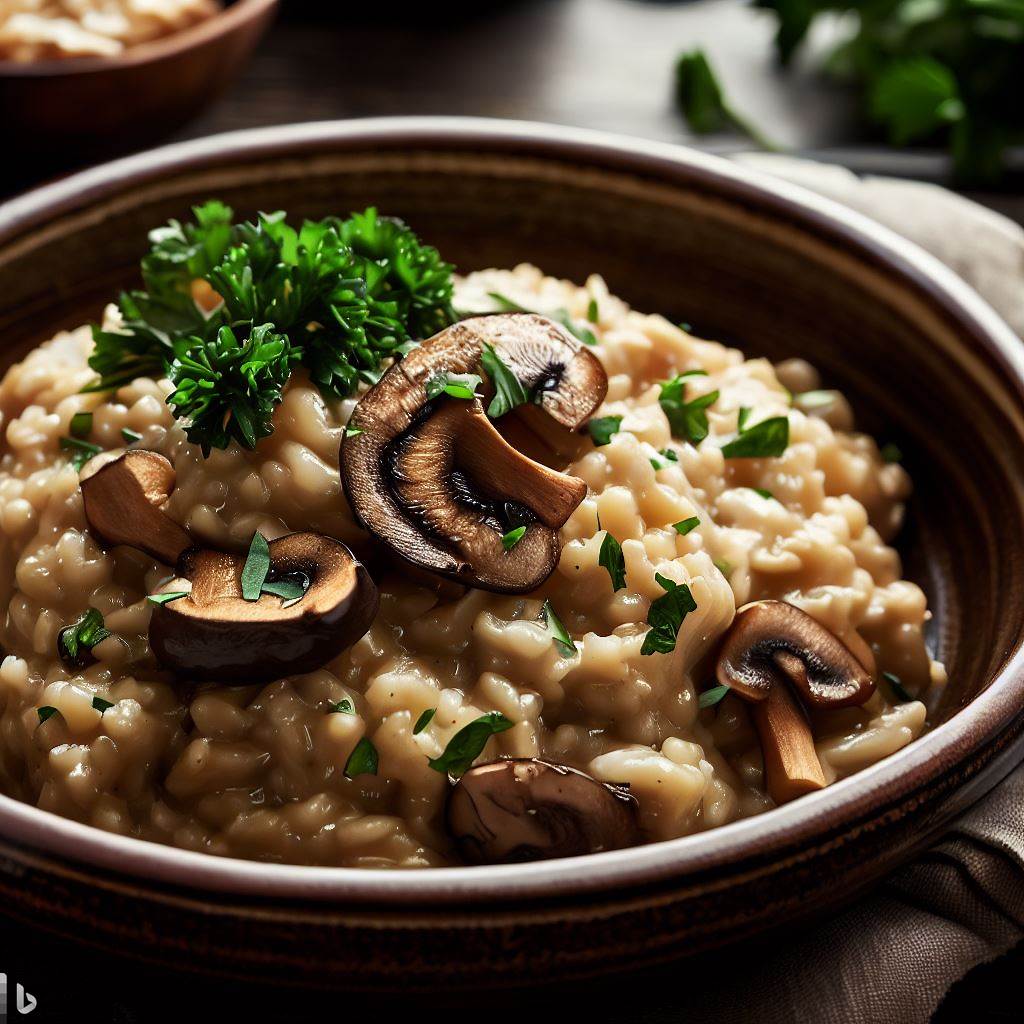
Take a bite, and you’re not just nourishing your body; you’re partaking in a symphony that’s been playing long before humans arrived. And hopefully, with a little care, it will continue long after we’re gone.
Happy foraging and even happier cooking! 🍄🌲🍴

Until next time,
Sebastian “Seb” Greenfield
 Bites & Bytes
Leave a comment