

By Seb, Tech and Sustainability Contributor at Bites & Bytes
Rice is more than just a staple food; it’s an integral part of our global culture and cuisine. However, the cultivation of this important crop is often quite water-intensive. This post will delve into the water footprint of rice, revealing its impact on our environment and what we can do to mitigate it.
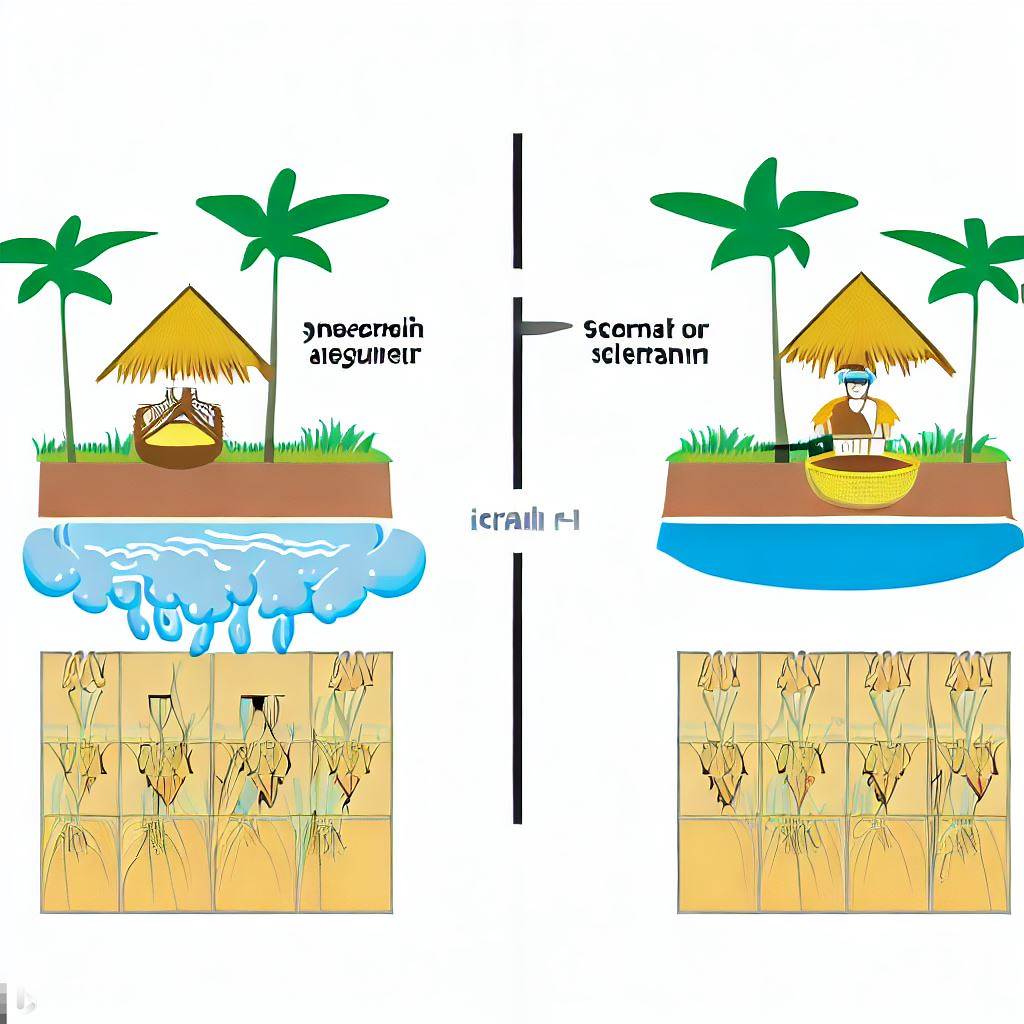
The Water-Guzzling Reality of Rice Production
Rice farming typically involves flooded fields, which leads to high water consumption. The numbers are staggering: it takes an average of 2,500 liters of water to produce just one kilogram of rice. That’s a lot of water, especially when you consider that rice is a staple food for nearly half of the world’s population.
The Environmental Consequences
High water consumption isn’t just an isolated problem; it’s a part of a bigger ecological puzzle. Intensive water use in rice farming has led to water scarcity in several regions, affecting local ecosystems and the availability of clean drinking water.
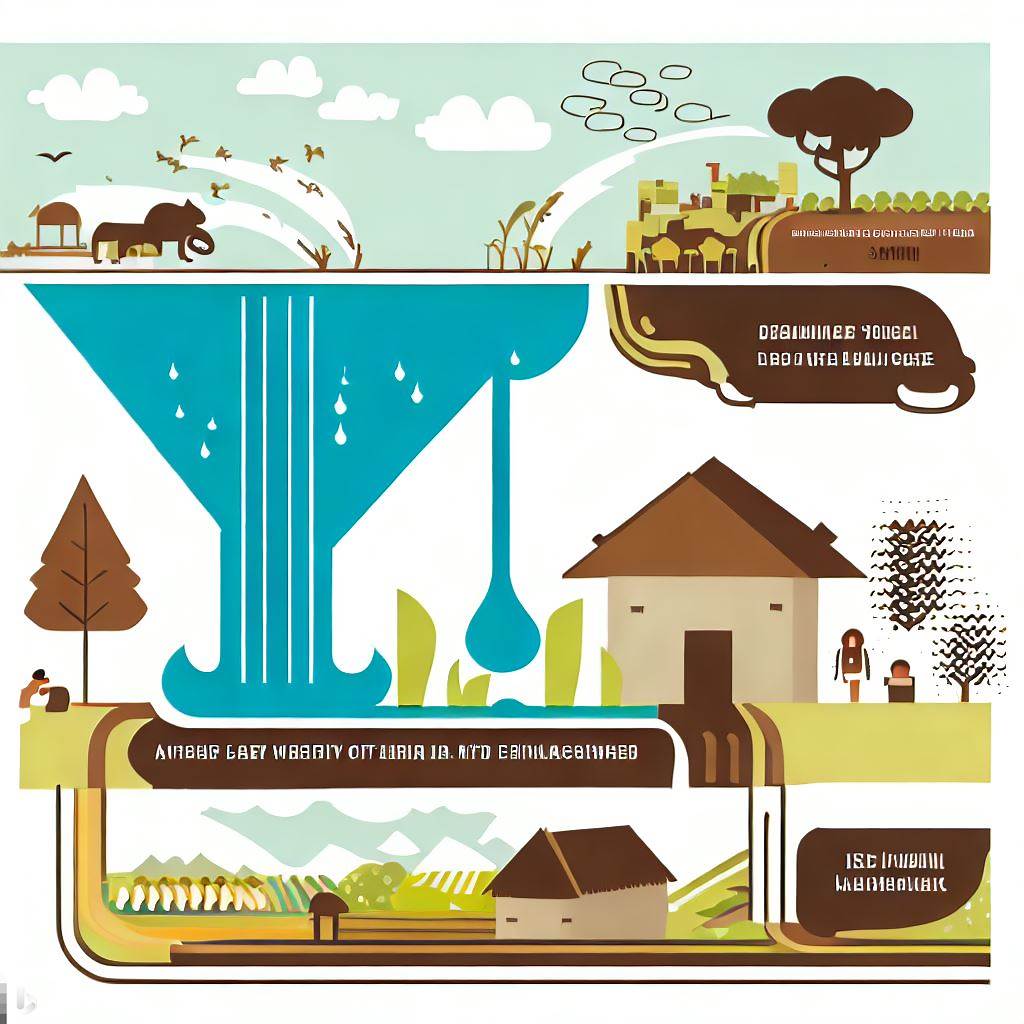
The Future: Sustainable Rice Cultivation
Sustainable rice cultivation methods, such as the System of Rice Intensification (SRI), are showing promise in reducing the water footprint. SRI involves intermittent flooding and a focus on soil health, reducing water usage by 20-50%.
Sounds of Sustainability: A Spotify Playlist
In my last blog post, I introduced a Spotify playlist called “Sounds of Sustainability.” In this edition, the playlist will feature songs that inspire action and awareness around water conservation.
Conclusion
It’s high time we pay attention to the water footprint of our food choices, starting with staples like rice. By adopting sustainable farming methods and making conscious choices, we can mitigate the environmental impact and safeguard our precious water resources.
Featured Playlist
- Sounds of Sustainability Spotify Link
Now, let’s add some multimedia elements to make this blog post even more engaging.






 Bites & Bytes
Leave a comment