
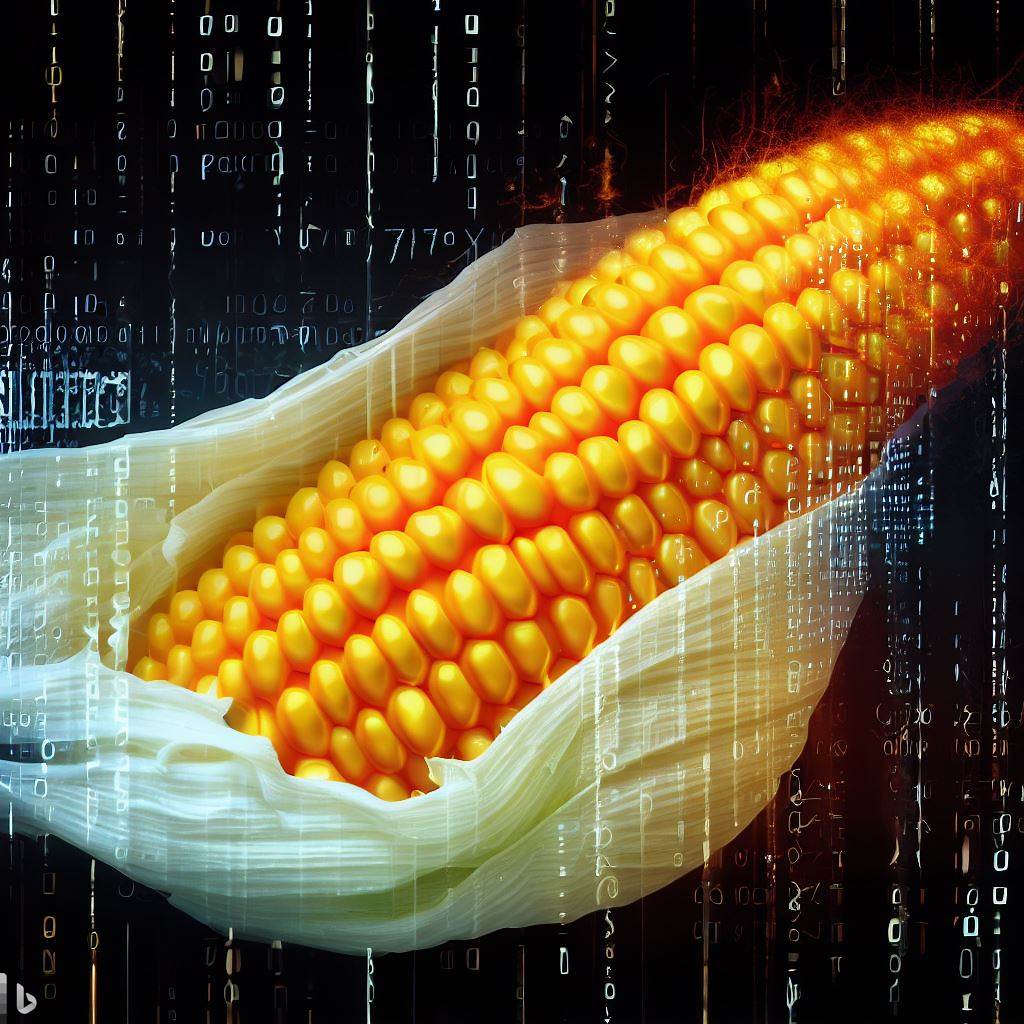
Greetings, intrepid gastronomers and coders! Today, we embark on a multifaceted journey through golden fields of corn and labyrinthine loops of algorithms. If you ever pondered how the mathematical wizardry behind your computer screen could be applied to the culinary world, well, buckle up. We’re taking this corn off the cob and throwing it right into a cluster of CPUs. By the end of this trek, you’ll see that corn—yes, corn—can be an algorithmic playground as much as Python or C++.

Byte: The Corn Genome Sequencing and Genetic Algorithms
Ever wondered why corn comes in a multitude of colors—white, yellow, blue, and even purple? It’s a genetic wonder, just like how a Genetic Algorithm aims to find optimized solutions through the principles of evolution: selection, crossover, and mutation. Imagine encoding corn traits like sweetness, texture, and color into a ‘chromosome’ string. Now let a computer simulate generations of corn cultivation. You could—hypothetically—use a genetic algorithm to cultivate the optimal ear of corn.
When you run a genetic algorithm, it’s similar to “breeding” successive generations of corn. You aim to keep the desirable traits, the sweetness or the crunch, and discard the less desirable ones like toughness. It’s not too different from how plant breeders have been working for ages, but here we accelerate the process through computation.
Bite: Elote and Corn Algorithmic Complexity
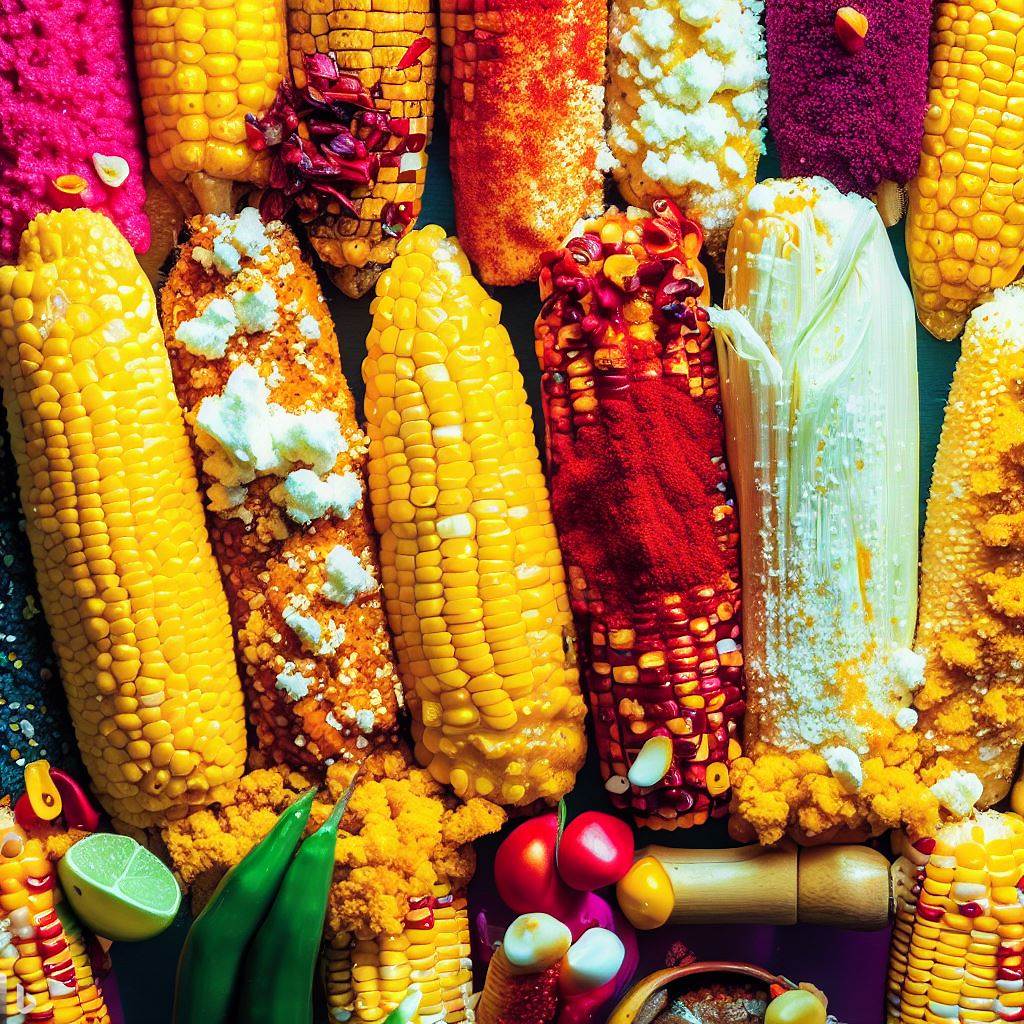
Let’s talk about a delicacy that has taken the world by storm—Mexican Elote, a delicious grilled corn slathered in a mix of cheese, mayo, and spices. Elote is fascinating because you can dial its flavor profile up or down based on the ingredients. It’s a beautiful chaos, similar to the ‘NP-hard’ problems in computer science.
An NP-hard problem is a class of problems for which no fast solution algorithm is known. In a similar vein, imagine having an array of spices, cheeses, and chilies in front of you. The number of Elote variations you could create is mind-boggling, and finding the ‘optimal’ one is genuinely an NP-hard problem in the culinary context.
Algorithmic Elote (Mexican Grilled Corn) Recipe
Ingredients:
- 4 ears of corn, shucked
- 1/4 cup mayonnaise
- 1/4 cup fresh cilantro, finely chopped
- 1/2 cup fresh Parmesan cheese, grated
- 1 lime, cut into wedges
- 1 teaspoon chili powder
- Salt to taste
- Optional: Additional spices like cayenne pepper, paprika, or garlic powder
Tools Needed:
- Grill or grill pan
- Basting brush
- Skewers or corn holders
Instructions:
- Initialize the Grill: Preheat your grill or grill pan over medium-high heat.
- Preprocess the Corn: While the grill is heating up, insert skewers into the base of each corn ear. This makes them easier to handle while grilling.
- Grill the Corn: Place the corn on the grill, turning occasionally. Grill until the kernels are tender and have some charring, about 10 to 12 minutes.
- Prepare the ‘Algorithmic’ Mix: In a bowl, mix the mayonnaise, half of the cilantro, and any optional spices you desire.
- Apply the Mix: Using a basting brush, slather the grilled corn with the mayonnaise mixture.
- Final Encoding: Roll the slathered corn in the grated Parmesan cheese, ensuring an even coating.
- Output Presentation: Sprinkle the corn with chili powder, the remaining cilantro, and a dash of salt. Serve with lime wedges on the side.
By adjusting the variables, you’ve engaged in a culinary form of algorithmic problem-solving, creating a dish that’s not only delicious but also a testament to the confluence of cooking and coding.
Kernel-ing the Bits: Food Waste and Corn
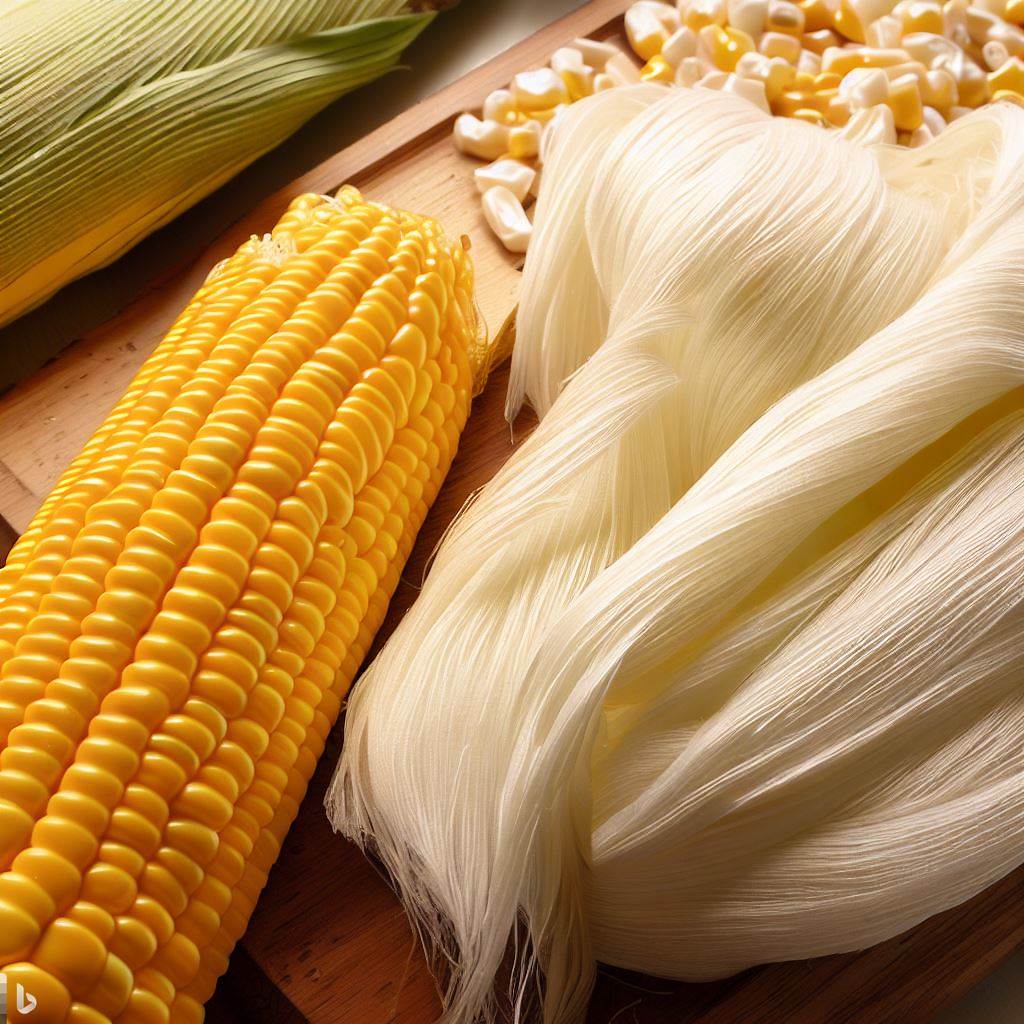
Corn isn’t just kernels; there’s also the cob, the husk, and the silk. Most people toss these away, missing a chance to minimize food waste—a subject dear to my heart. The silk can make tea, the husks can be used for tamales, and the cobs can turn into a flavorful broth. Even corn stalks can be returned to the soil as mulch, closing the loop in a sustainable, zero-waste life cycle.
Let’s loop this back to coding. The philosophy here is similar to optimizing your code for computational efficiency. Unused variables? Get rid of them. Bloated libraries? Pare them down. In both the kitchen and the coding environment, minimizing waste is not just ethical; it’s efficient.
Parallel Processing and Polenta: An Epicurean Tale
My love affair with polenta began during a trip to Italy, where I realized how this simple cornmeal dish had global cousins like grits in America or ugali in Africa. But, the dish can take time to reach its creamy zenith—a perfect situation for parallel processing.
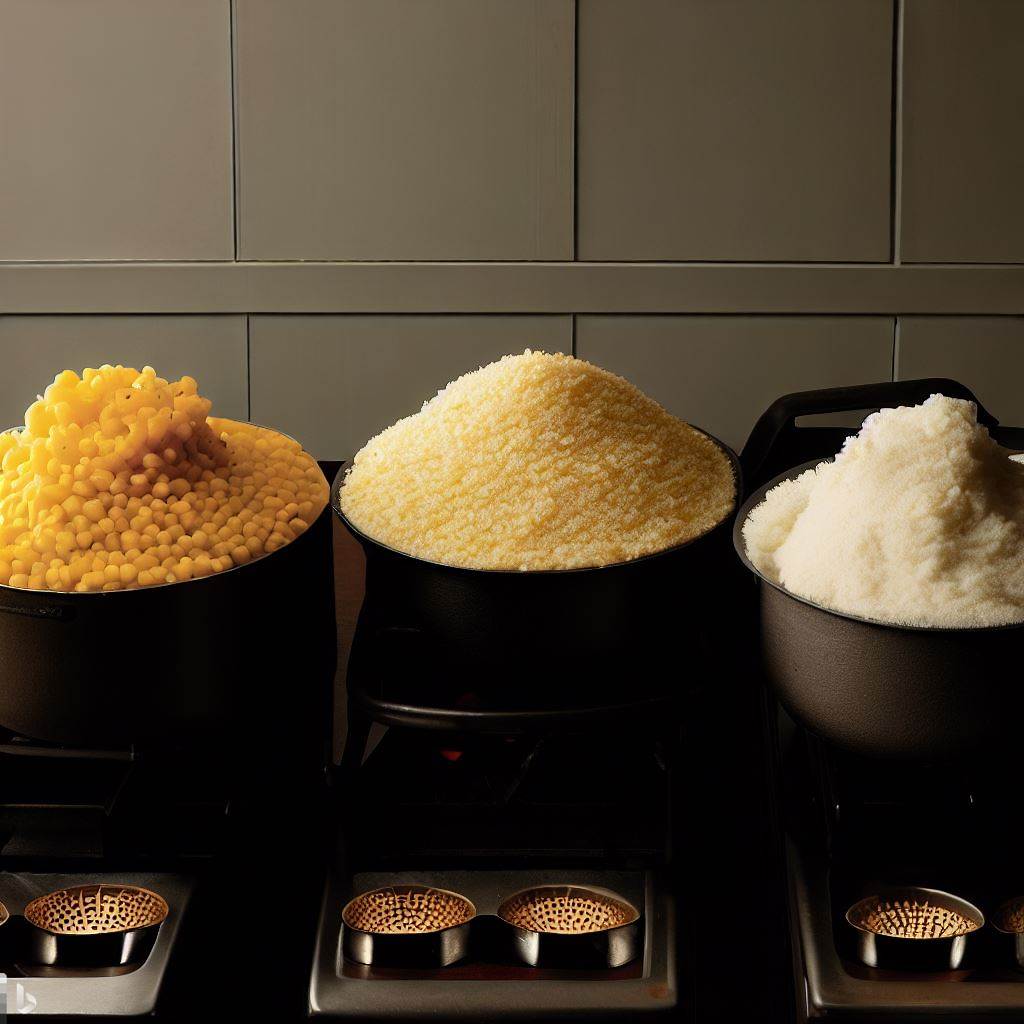
In computer science, parallel processing means distributing tasks across multiple processors to speed up computing. Imagine having several stovetops with pans of polenta cooking at different stages. One could be at the initial boiling point, another at the simmering stage, and a third could be nearly ready for the final stirring of cheese and butter. Coordinate these stages skillfully, and you’ve got an efficient ‘polenta pipeline,’ very much like how a computer processes instructions in parallel.
Baking Bytes: Cornbread and Functional Programming
How can we discuss corn and not bring up cornbread, the ultimate comfort food? Making cornbread is straightforward; it’s a ‘pure function’ in functional programming lingo. Why? You mix specific ingredients in set proportions, bake at a certain temperature, and voilà, you get cornbread—every single time.

Functional programming is all about pure functions and immutability. You input data, and you get an output—consistently. There’s no side-effect, just like how adding an extra cup of flour to your cornbread recipe will predictably result in a denser loaf.
(An illustration of cornbread code)

So, as we wind down this algorithmic culinary journey, I hope you’ve come to see the modest ear of corn as something grander—a maze of gastronomic possibilities navigated via computational logic. And perhaps the next time you find yourself shucking corn or optimizing code, you’ll see the kernels of truth in both.
Happy cooking and coding, everyone!
 Bites & Bytes
Leave a comment