
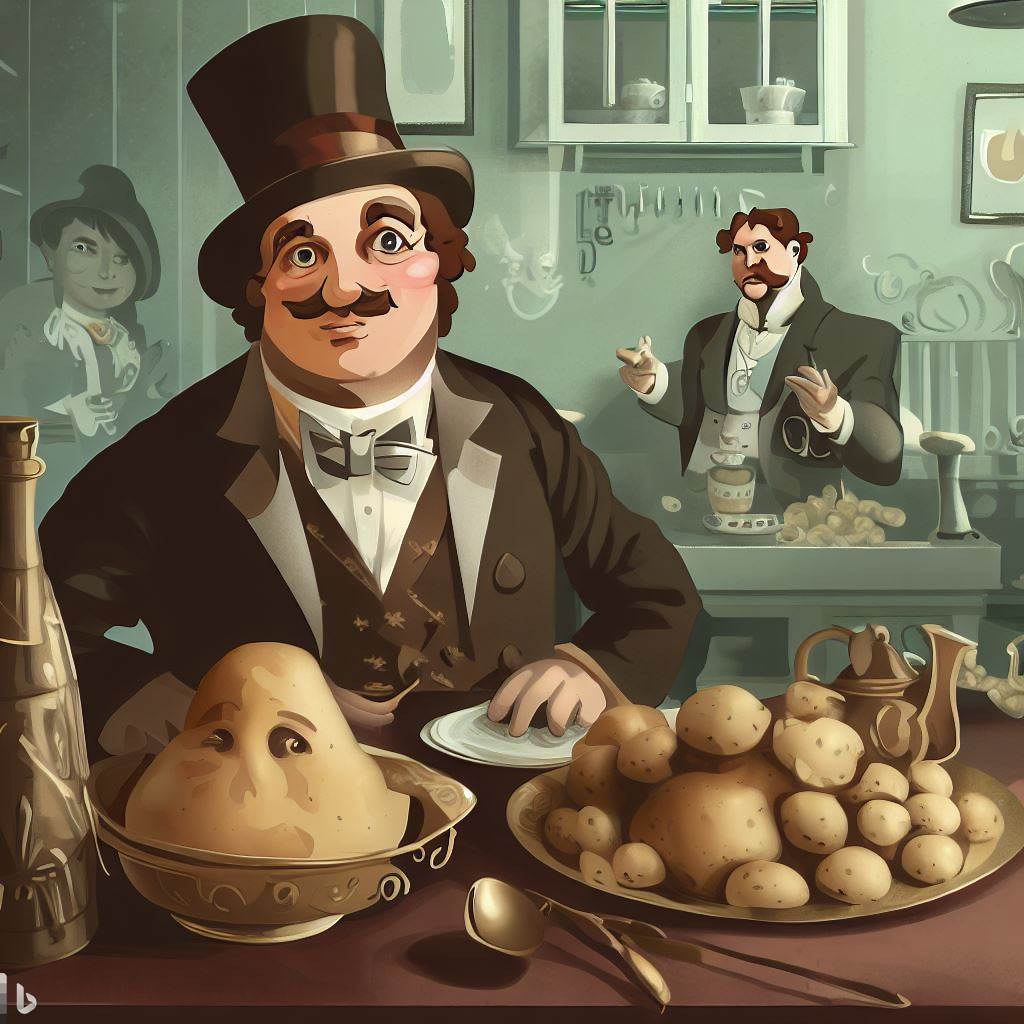
Ah, the potato. This modest tuber, with its unassuming brown skin and starchy interior, seems as familiar to us as an old friend. Yet, its journey to our tables spans continents and weaves through diverse periods of human civilization. It is a story of rejection and acceptance, of famine and feast, all told against the backdrop of evolving culinary traditions.
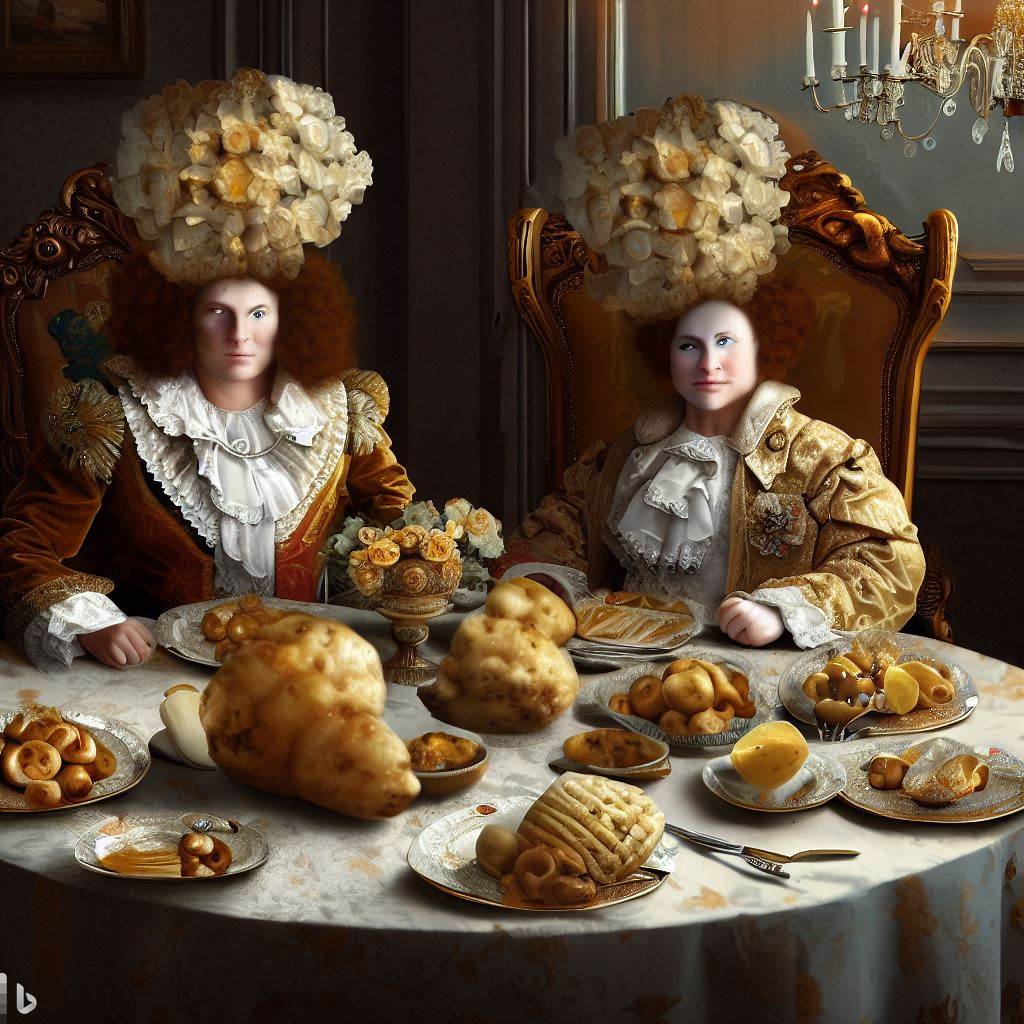
In the 16th century, when Spanish conquistadors first brought the potato back from South America to Europe, the root vegetable was met with skepticism, even fear. In France, for instance, potatoes were considered unfit for human consumption and were only given to livestock. It took the innovative efforts of Antoine-Augustin Parmentier, a French pharmacist, to change public perception. He organized elaborate banquets featuring the potato as the star ingredient, even winning over King Louis XVI and Marie Antoinette, who sported potato flowers as fashionable accessories.
Even after it gained acceptance, the potato wasn’t just a European staple; it was a life-saver. The introduction of the potato to Ireland in the late 18th century offered a solution to food scarcity issues. It was a hardy crop, resilient to Ireland’s unpredictable weather. And then came the Great Famine between 1845 and 1852, caused by a potato disease known as late blight, demonstrating how reliance on a single crop could lead to catastrophe.
The potato isn’t just a fixture in European culinary traditions. This ubiquitous root has found its way into cuisines around the globe, from the gnocchi of Italy to the aloo tikki of India. It’s a remarkable example of culinary globalization long before the term ever existed.
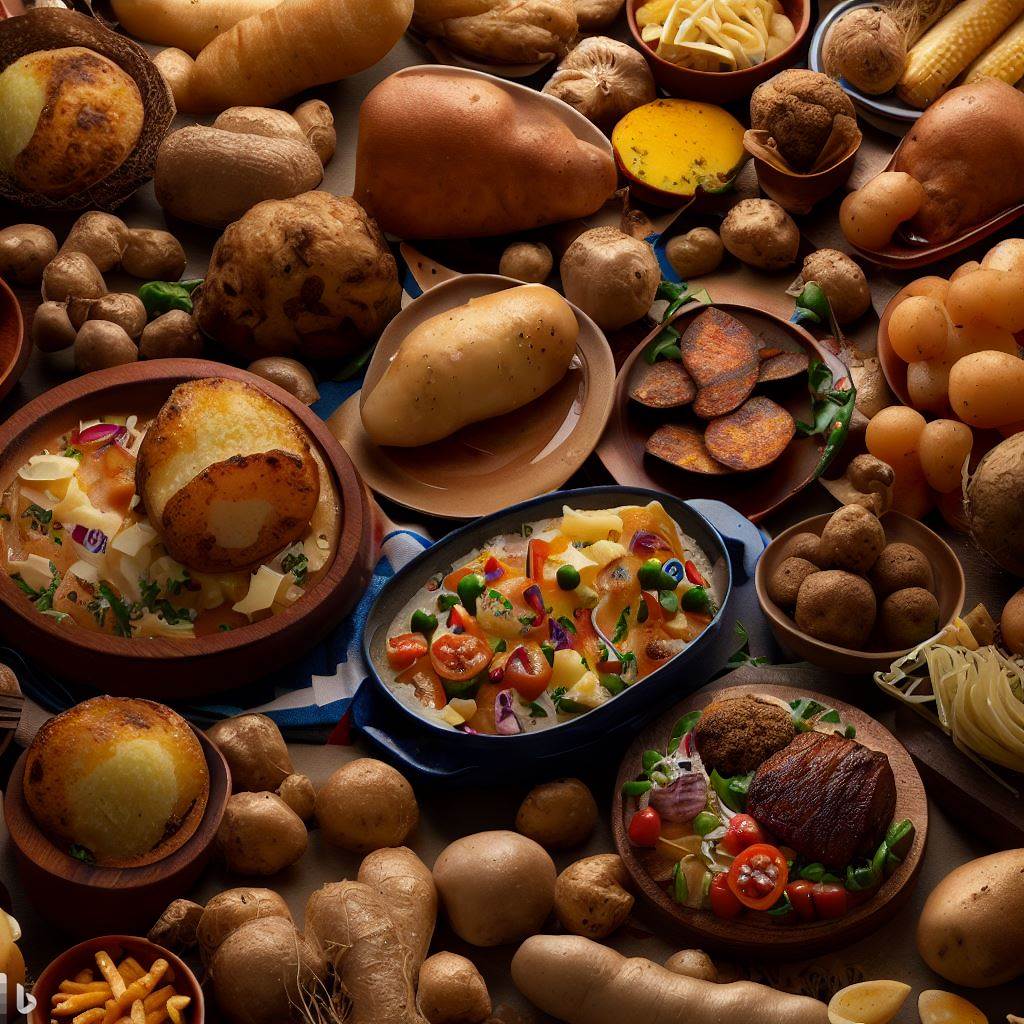
The potato’s historical odyssey tells us more than just how it became a culinary staple. It teaches us about humanity’s knack for adaptation, for turning the unknown into the familiar through the medium of food. It is an unspoken narrative of survival and innovation, flavors and sustenance.
Parmentier Potatoes: A Dish Fit for Royalty
Ingredients:
- 1.5 lbs of waxy potatoes, peeled and cut into even chunks
- 4 tablespoons of unsalted butter
- 2 tablespoons of olive oil
- 4 cloves of garlic, minced
- 2 sprigs of fresh rosemary, leaves picked and chopped
- Salt and pepper to taste
- 2 tablespoons of freshly chopped parsley for garnish
Instructions:
- Preheat the Oven: Begin by preheating your oven to 400°F (200°C).
- Prepare the Potatoes: Place the potato chunks in a large pot of cold, salted water. Bring to a boil and then simmer for 10–12 minutes until the potatoes are just tender when pierced with a fork.
- Drain and Dry: Drain the potatoes and let them steam-dry for a few minutes. This ensures that they will crisp up beautifully in the oven.
- Season and Flavor: In a large mixing bowl, combine the melted butter, olive oil, minced garlic, and chopped rosemary. Add the semi-cooked potatoes to this mixture and toss well, ensuring that each potato chunk is coated with the flavor-infused oil.
- Arrange for Baking: Spread the coated potatoes in a single layer on a baking sheet, making sure there is some space between each piece to allow for crisping.
- Bake: Place the tray in the preheated oven and bake for 25–30 minutes, flipping the potatoes halfway through, until they are golden brown and crispy on the edges.
- Garnish and Serve: Once out of the oven, season with a pinch of salt and freshly ground black pepper. Garnish with chopped parsley before serving.
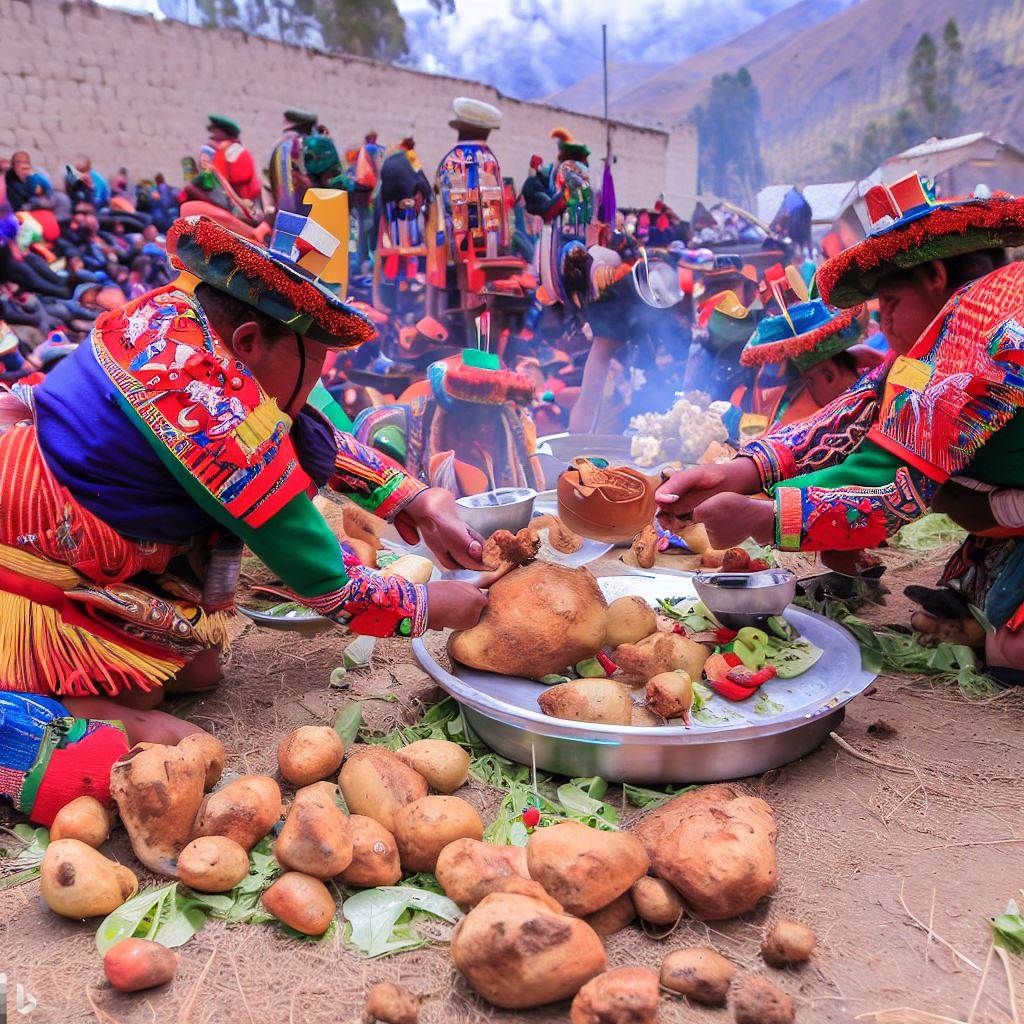
The potato’s enduring appeal doesn’t stop at its versatility in the kitchen or its deep historical roots. It also finds its place in cultural practices and local traditions. For instance, in some Andean communities, the potato is celebrated with festivals and rituals that date back to pre-Columbian times, reminding us of the rich tapestry of food cultures that have shaped human history.
As we peel or mash, fry or bake this humble tuber, let us remember that we are partaking in a tradition that spans continents and centuries. The potato serves as a lens through which we can explore broader themes of historical change, cultural adaptation, and culinary invention. So the next time you enjoy a comforting dish of mashed potatoes or a crisped hash brown, remember, you’re not just eating food—you’re consuming history.
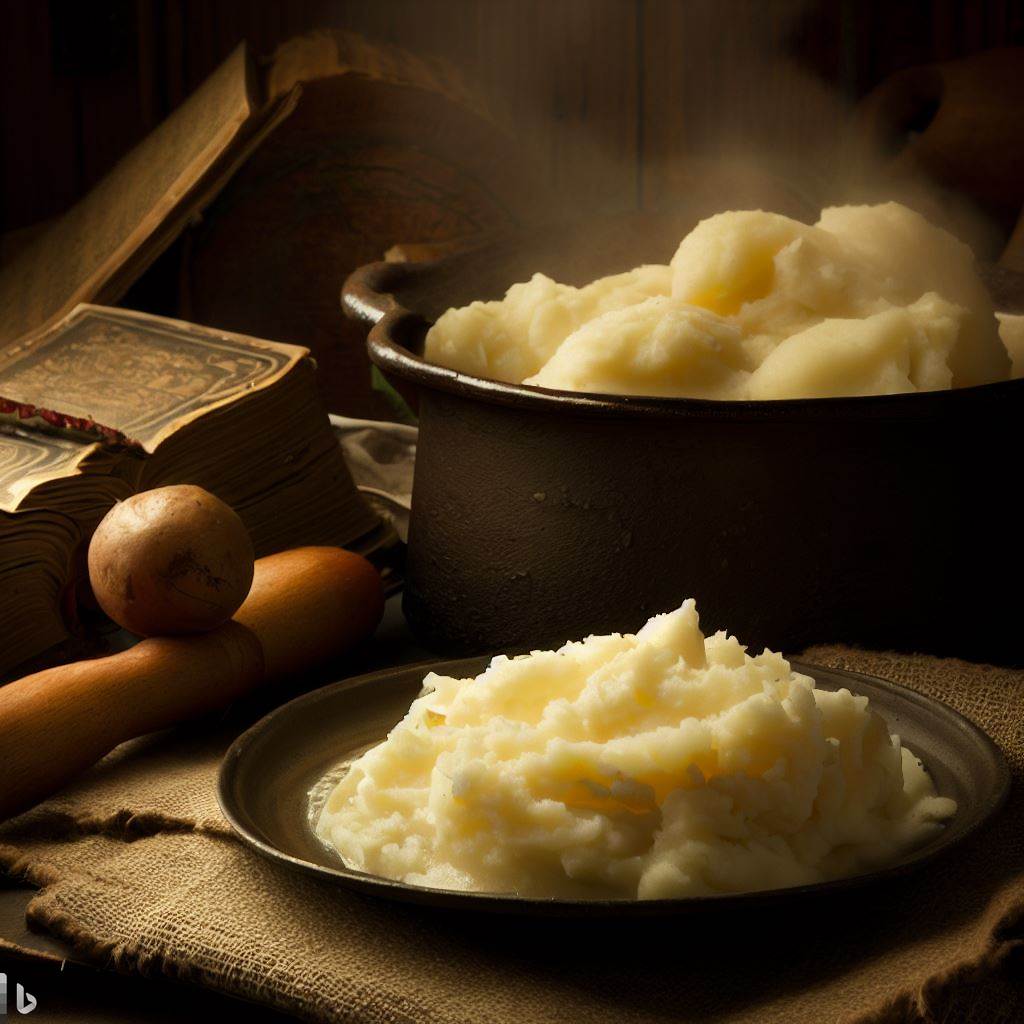
In this journey through time and taste, we find that the humble potato, often taken for granted, is truly an extraordinary food. It is a culinary chameleon, capable of countless transformations. More importantly, it’s a testament to the beautiful, intricate ways in which food and history are inextricably linked, each informing and enriching the other in a delicious dance of survival and flavor.
 Bites & Bytes
Leave a comment