
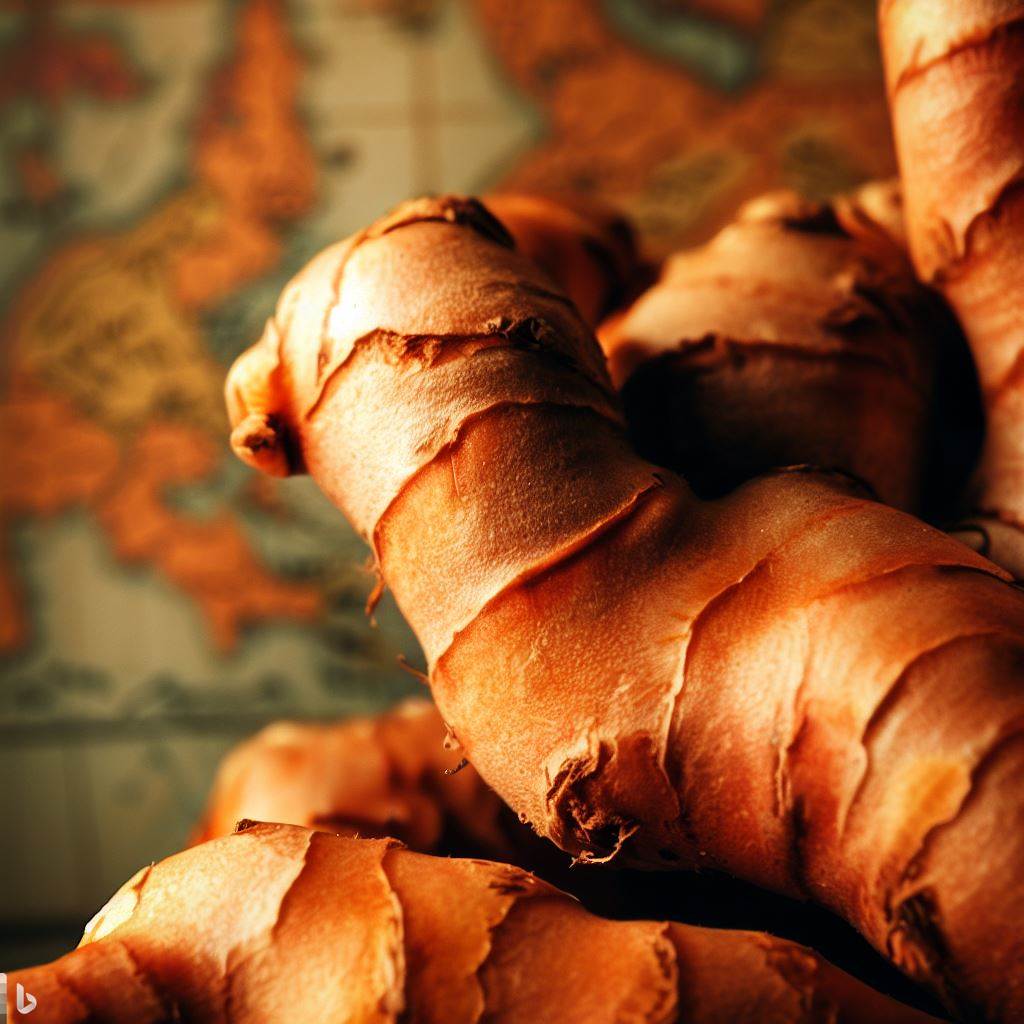
“Spices are the fragrant or pungent vegetable substances used to flavor food.” Ah, but that definition, accurate though it may be, does little justice to the mystical allure and historical gravitas of spices like turmeric. This golden-hued rhizome has not only been a staple in kitchens across Asia but has also colored the very fabric of various cultures.
A Root with Roots
From the bustling markets of Delhi to the Zen monasteries in Japan, turmeric has traveled far and wide, its vibrancy equal parts culinary and cultural. Take Ayurveda, for instance. In this ancient Indian holistic healing system, turmeric isn’t just something you toss into a curry; it’s a medicinal marvel. Fast forward a few centuries, and modern science is just starting to catch up, investigating turmeric’s potential in everything from anti-inflammatory treatments to potential cancer therapies.
The Yellowing Ceremony
If you’ve ever attended an Indian wedding, you might have witnessed the “Haldi” ceremony. The night before the wedding, a paste made of turmeric, rose water, and other ingredients is applied to the bride and groom. The yellow of the turmeric is said to bring prosperity and peace to the couple’s married life. But have you ever wondered why it’s specifically turmeric that has been given this elevated role?

Turmeric, The Spiritual Catalyst
In many spiritual practices, yellow represents enlightenment, and its radiance is thought to activate the Solar Plexus Chakra, the energy center associated with self-confidence and empowerment. So when you’re painting your face with that golden paste, you’re not just participating in a tradition—you’re engaging in a form of spiritual empowerment.
Turmeric in the Kitchen
But let’s not forget the primary place where most of us encounter turmeric—the kitchen! Apart from adding that signature color to dishes, it lends an earthy flavor profile that’s hard to substitute. Whether you’re making a complex curry or a simple stir-fry, turmeric often serves as the cornerstone, its pungency moderated by other spices or complemented by the sweetness of coconut milk.
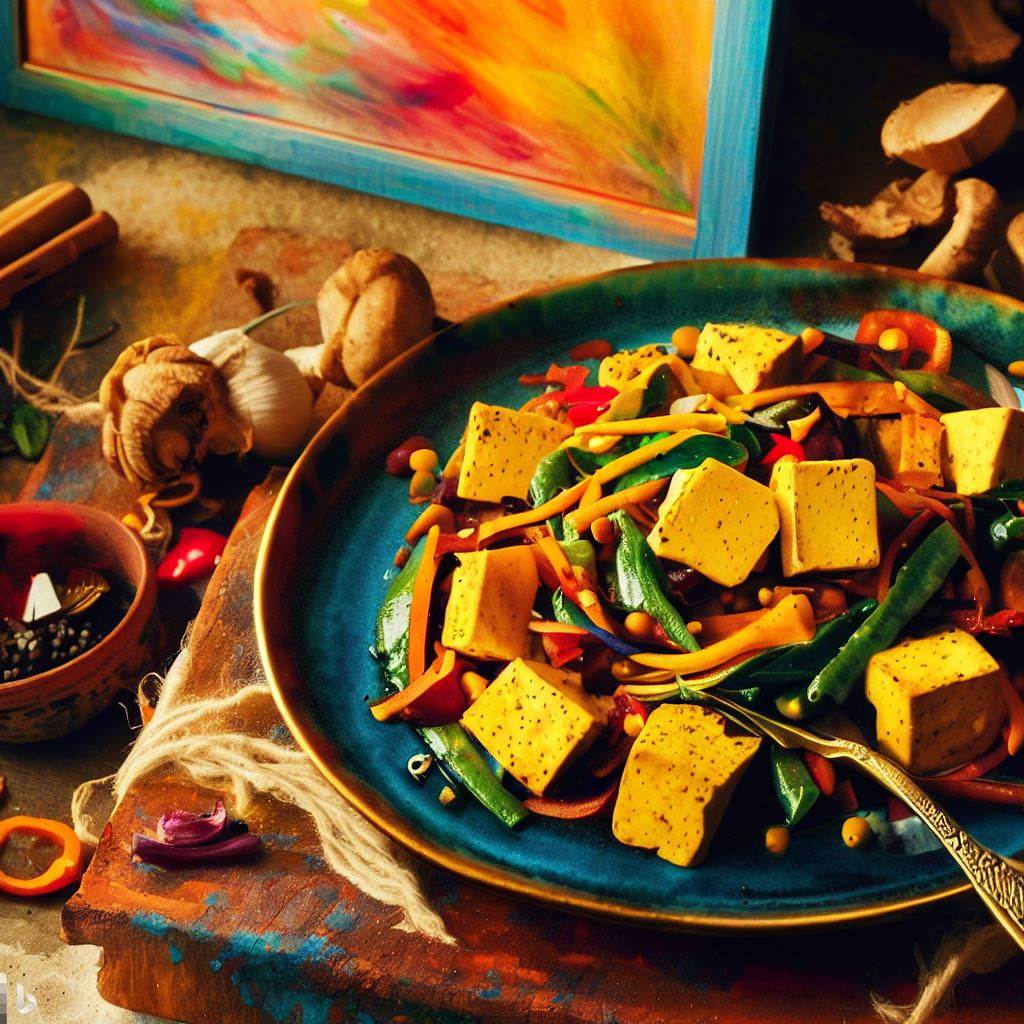
Golden Turmeric Stir-Fry with Seasonal Vegetables and Tofu
Ingredients:
- 1 block (14 ounces) of firm tofu, drained and cubed
- 2 cups of seasonal vegetables (bell peppers, zucchini, carrots, etc.), sliced
- 1 onion, thinly sliced
- 3 cloves garlic, minced
- 1-inch fresh turmeric root, grated (or 1 tsp ground turmeric)
- 1 tsp ground cumin
- 1/2 tsp ground coriander
- 1/2 tsp paprika
- Salt to taste
- 2 tbsp olive oil or coconut oil
- 1/4 cup coconut milk
- Juice of 1 lime
- Fresh cilantro, for garnish
Instructions:
- Start by pressing the tofu to remove excess water. Wrap it in a clean kitchen towel and place a weight on it. Let it sit for about 15 minutes.
- In a large skillet or wok, heat the olive oil or coconut oil over medium heat. Add the minced garlic and sauté until golden brown.
- Add the sliced onion and sauté until translucent.
- Add the grated turmeric, cumin, coriander, and paprika to the skillet. Stir well to combine the spices with the onions and garlic.
- Add the sliced vegetables to the skillet. Stir to coat them with the spice mixture.
- Cover the skillet and let the vegetables cook for about 5-7 minutes, or until they begin to soften.
- Uncover and add the cubed tofu to the skillet. Gently stir to combine.
- Pour the coconut milk over the tofu and vegetables. Stir gently to combine.
- Cover the skillet and cook for an additional 5 minutes, allowing the flavors to meld.
- Remove the skillet from heat and add the lime juice. Stir to combine.
- Season with salt to taste.
- Garnish with fresh cilantro before serving.
Enjoy this Golden Turmeric Stir-Fry with a side of jasmine rice or quinoa for a wholesome, flavor-packed meal that not only satisfies your palate but also imbues your dining experience with a touch of history and spirituality.
A Culinary and Cultural Conundrum
So why does turmeric feel warm? It’s not just the rich color but also the compound curcumin that gives it that warming sensation. Interestingly, in the colder northern regions of India, turmeric is used more liberally in dishes, possibly as a way to combat the chill. Makes you think, doesn’t it? Culinary practices often reflect a region’s climate and even its social norms. Food isn’t just food; it’s a narrative.

Gumbo’s Verdict
And what does Gumbo think about turmeric? Well, in small, bird-friendly amounts, he seems to enjoy a sprinkle in his fruit mash. Though it might not activate his Solar Plexus Chakra (as far as I can tell!), he seems content and even a bit chirpy post-feast.
Turmeric is not just a spice; it’s a story told through the ages. It’s a pigment, a medicine, a culinary staple, and even a spiritual catalyst. So the next time you find yourself reaching for that jar of ground turmeric, consider the incredible journey it’s taken—not just from farm to table, but through millennia of human history.
“A pinch of spice can warm the soul; a dash of kindness can warm the world.”
 Bites & Bytes
Leave a comment