
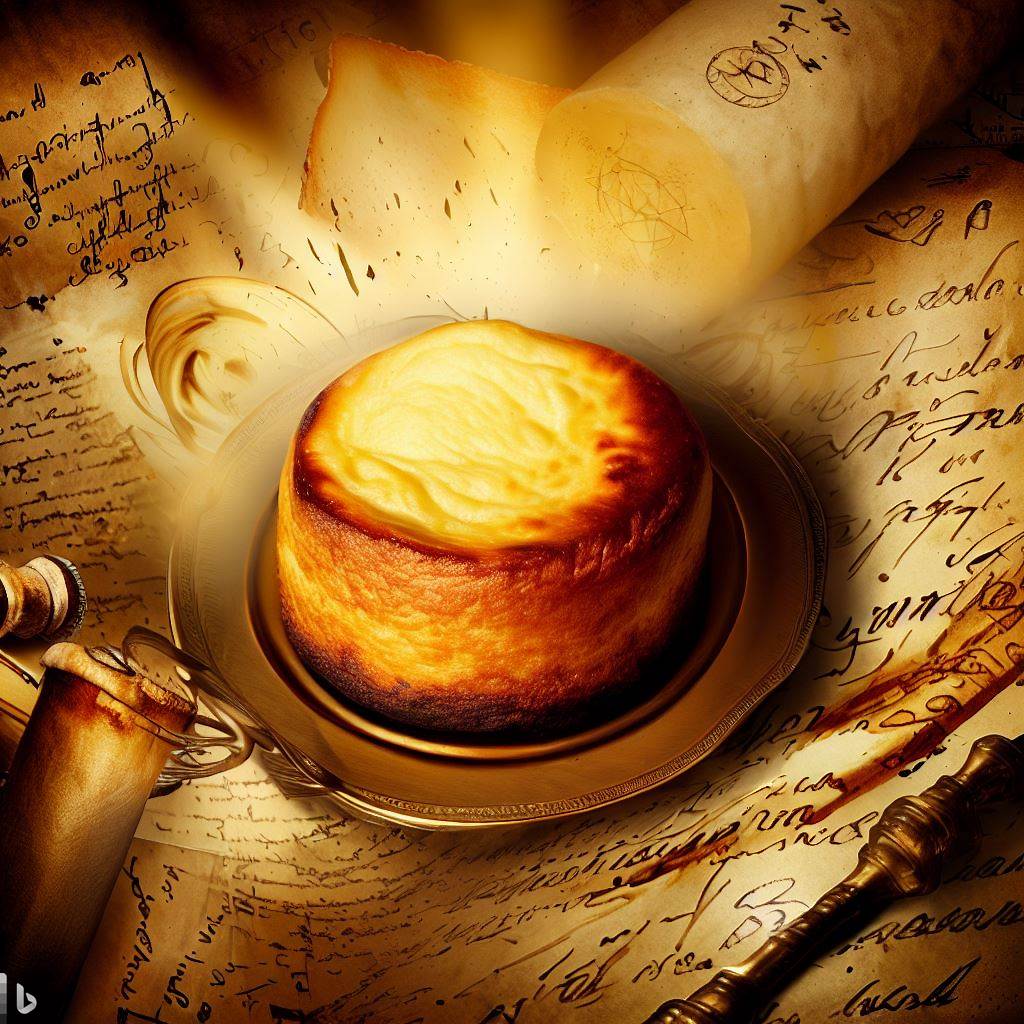
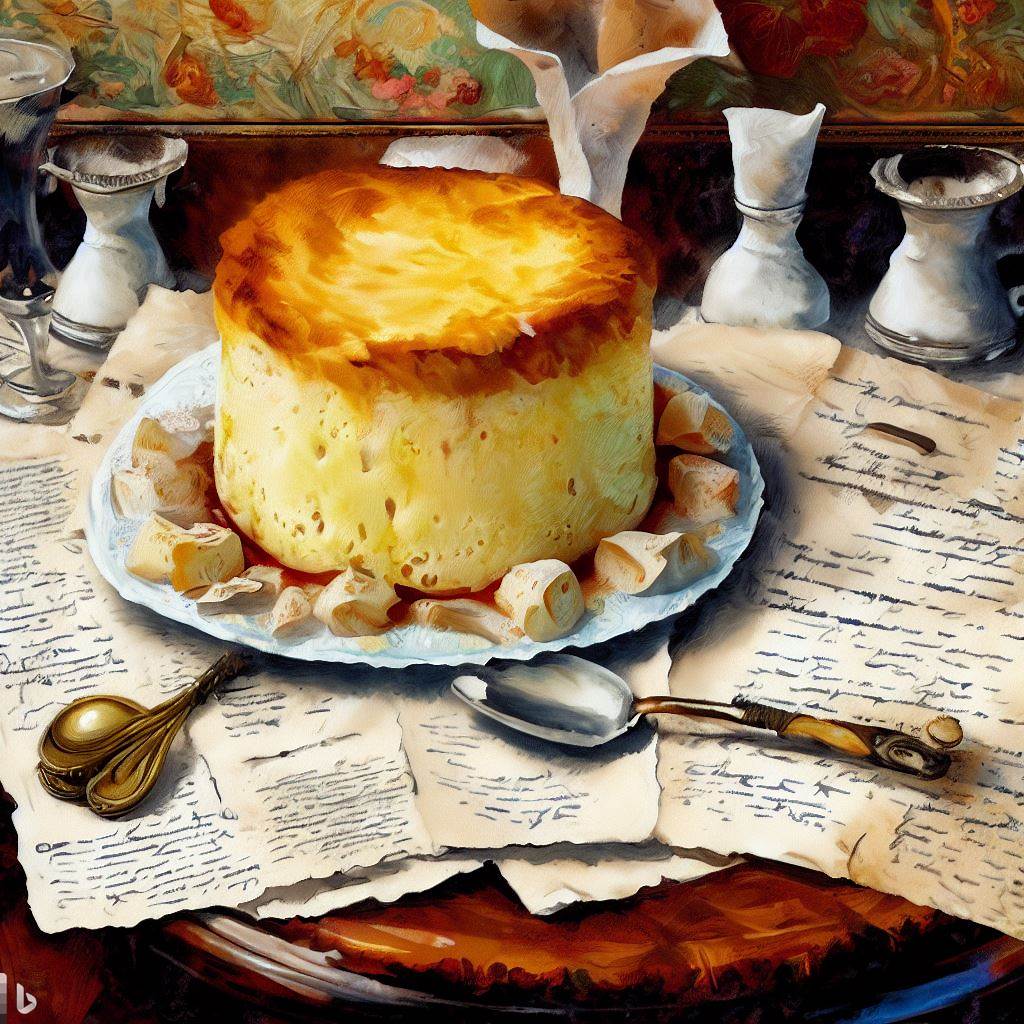
Ah, the delicate ballet of flavors that is the soufflé—a culinary masterpiece that captivates both the palate and the imagination. Each spoonful beckons you to partake in an age-old tale of gastronomic triumphs and failures, inviting you to dig deeper, not just into its creamy depths but also into the recesses of culinary history.
The soufflé, a word borrowed from the French verb “souffler,” meaning to breathe or puff, is a dish that wears its identity quite literally. A batter typically consisting of a flavorful base, often mixed with a careful blend of egg yolks, is transformed into a lofty cloud by the addition of beaten egg whites. This harmonious union of seemingly mundane ingredients results in a dish that defies gravity, symbolizing the alchemy that is French cooking.
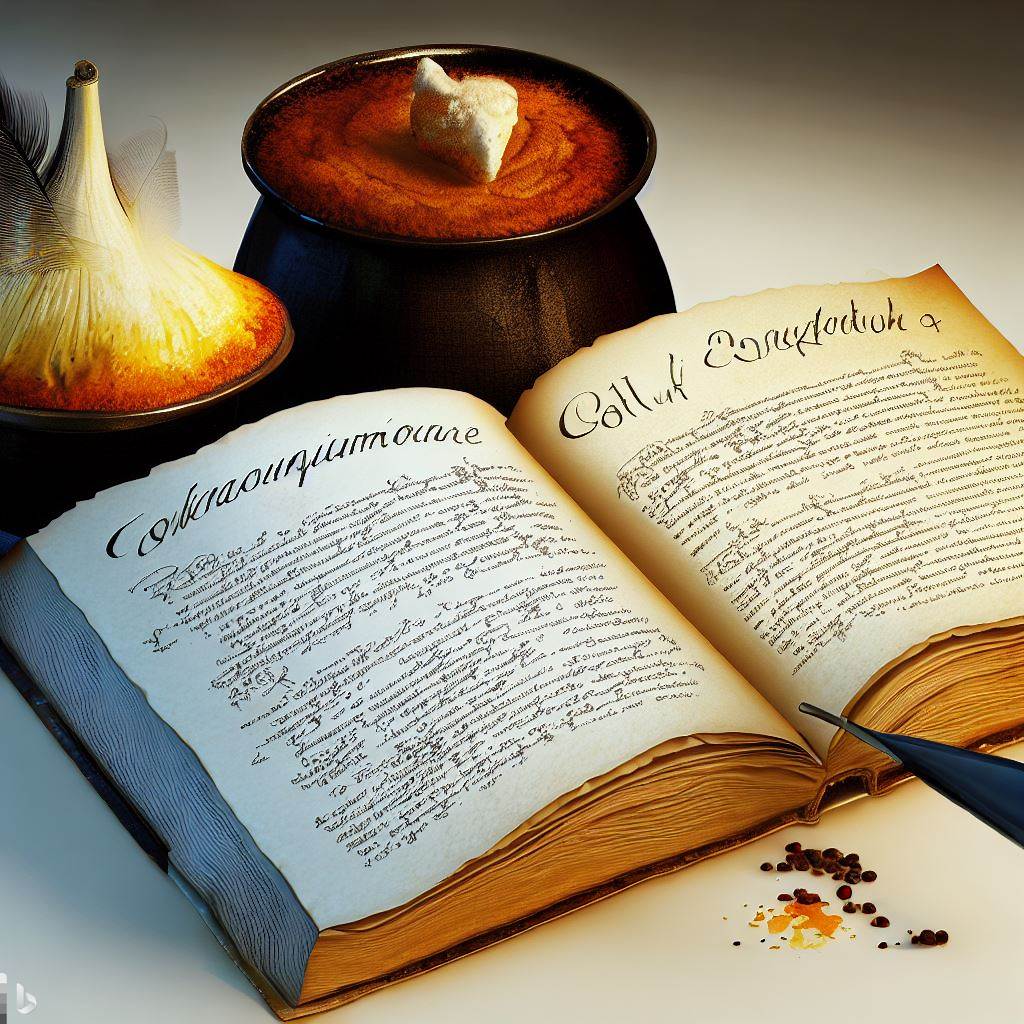
In the 18th century, the French food scene was undergoing an evolution, a sort of culinary Enlightenment. Traditional heavy sauces and complicated cooking methods gave way to lighter, more sophisticated techniques. Interestingly, it was around this time that Vincent La Chapelle, chef to the exiled English King, James II, penned down the earliest recipe of a “soufflé” in his cookbook “Le Cuisinier Moderne.” La Chapelle, who was more a culinary inventor than a mere cook, transformed the familiar “oeufs brouillés” (scrambled eggs) into a dish so light and airy that it seemed to capture the very essence of the era’s intellectual liberation.
The complexity of a soufflé lies not in the elaborateness of its ingredients but in the precision of its technique. Just as the alchemists of old believed in the transformation of base materials into gold, the soufflé teaches us that the whole is indeed greater than the sum of its parts. The beating of the egg whites is an art form in itself. Too soft, and you’ll have a limp mass; too stiff, and it becomes dry and unyielding, unable to achieve that sky-high lift.
Classic Cheese Soufflé
Ingredients:
- 4 large egg yolks
- 4 large egg whites
- 1 cup whole milk
- 2 tablespoons unsalted butter, plus more for greasing
- 2 tablespoons all-purpose flour
- 1 cup grated Gruyère cheese
- 1/4 teaspoon cream of tartar
- 1/4 teaspoon ground nutmeg
- Salt and white pepper to taste
Instructions:
- Preheat the Oven: Preheat your oven to 375°F (190°C). Generously grease a 6-cup soufflé dish with butter and dust it lightly with flour.
- Make the Béchamel: In a medium saucepan, melt the 2 tablespoons of butter over low heat. Add the flour and cook, stirring constantly, for about 2 minutes without allowing it to brown. Gradually add the milk while whisking to avoid lumps. Continue to cook until the sauce thickens, about 4-5 minutes. Remove from heat.
- Flavor the Base: Stir in the grated Gruyère cheese, ground nutmeg, and season with salt and white pepper. Allow the mixture to cool slightly before adding the egg yolks, one at a time, stirring well after each addition.
- Beat the Egg Whites: In a large, clean, and dry bowl, beat the egg whites with the cream of tartar until stiff but not dry peaks form.
- Combine: Gently fold a third of the beaten egg whites into the cheese mixture to lighten it. Then, carefully fold in the remaining egg whites until no white streaks remain.
- Fill the Dish: Spoon the batter into the prepared soufflé dish. Level the top with a spatula.
- Bake: Place the dish in the preheated oven and reduce the temperature to 350°F (175°C). Bake for 25-30 minutes or until the soufflé is puffed and golden on top. Serve immediately.
In keeping with the tradition of culinary craftsmanship, this soufflé does require your attention and care. But rest assured, the results are nothing short of a gastronomic feat, worthy of the finest tables across history.
At its core, the soufflé is a humble dish, comprised of everyday ingredients that can be found in any kitchen. Yet, its enduring appeal lies in its transformative nature—both physical and metaphorical. As you break through the golden crust, the soufflé sighs, releasing a burst of aromatic steam, akin to opening a time capsule filled with the scents and sensibilities of bygone epochs. And every bite, whether sweet or savory, tells a story—of a dish, a time, a people who valued the power of a well-prepared meal to elevate the human spirit.
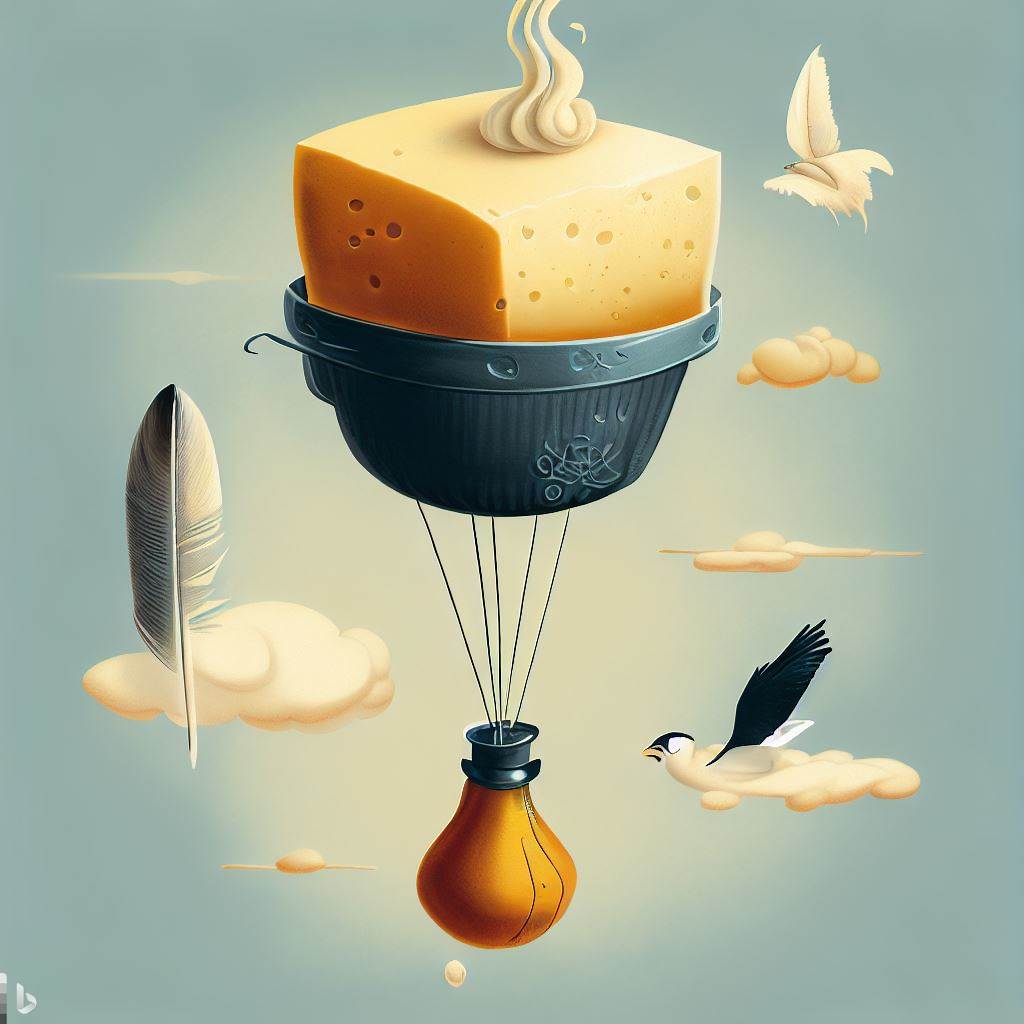
So the next time you partake in a soufflé, consider the dish not as a mere collection of ingredients, but as a culinary symphony—a harmonious blend of history, culture, and extraordinary craftsmanship. With every bite, you’re not just eating; you’re partaking in a narrative that has been years, if not centuries, in the making.
Bon appétit, my friends, for as you enjoy your soufflé, remember that you are tasting a slice of history, a morsel of culture, and a spoonful of the eternal love affair between man and food.





 Bites & Bytes
Leave a comment