
There’s an artistry to the way the kitchen hums—a culinary symphony, if you will, where every instrument has a role to play. But if Beethoven were a chef, he’d be horrified by the cacophony of waste that accompanies many of our modern cooking endeavors. The staggering stats on food waste are the untuned violins, clashing in disarray. But fret not; like a master composer, we can harmonize our kitchen to create a melodious, zero-waste ensemble. And how, you might ask? By integrating smart technology to cue each section of our kitchen orchestra, turning them into efficient virtuosos.
Byte: Machine Learning Algorithms for Food Waste Prediction
Let’s geek out a bit, shall we? Imagine your refrigerator humming a gentle sonata of data, collecting information on how you interact with your groceries. Beneath this unassuming exterior lies an ensemble of Machine Learning algorithms. These models are trained to predict the expiration dates of your perishables, and they’re getting better each day at their ‘job’. Just like a rehearsal, every interaction sharpens their accuracy.
The Random Forest Classifier could be the conductor in this scenario. It takes into account various parameters like humidity levels, frequency of door openings, and even cross-references them with weather patterns. The algorithm then orchestrates a seamless movement, prompting you via smartphone alerts on which veggies need to be consumed first or what can be stored in the freezer. Just think of it as your fridge giving you a friendly nudge—akin to a conductor cueing in the woodwinds.
Bite: The Savory Sonata of Stuffed Bell Peppers
Let’s segue from the abstract melodies of Machine Learning into something a bit more tactile and delicious. The Stuffed Bell Pepper recipe I’m about to share uses almost every part of the bell pepper—yes, including the seeds and the core!
Stuffed Bell Peppers with Homemade Pepper Dust
Ingredients:
- 4 large bell peppers, any color
- 1 cup cooked quinoa or rice
- 1 cup black beans, cooked or canned
- 1 cup corn kernels
- 1 cup tomato sauce
- 1 teaspoon cumin
- 1 teaspoon paprika
- Salt and pepper to taste
- Olive oil
- Fresh basil or cilantro for garnish
For the Homemade Pepper Dust:
- Seeds and core of the bell peppers
- 1 teaspoon garlic powder
- 1/2 teaspoon cayenne pepper (optional)
Instructions:
- Preheat the Oven: Set your oven to 375°F (190°C) and grease a baking dish with a bit of olive oil.
- Preparation of Bell Peppers: Cut off the tops of the bell peppers and remove the seeds and core. Set aside the seeds and core for the homemade pepper dust. Lightly brush the exterior of the peppers with olive oil and place them in the baking dish.
- Filling Mix: In a mixing bowl, combine the cooked quinoa or rice, black beans, corn, and half of the tomato sauce. Season this mixture with cumin, paprika, salt, and pepper.
- Stuff the Peppers: Using a spoon, stuff each bell pepper with the quinoa mixture. Press down gently to make sure the peppers are well-filled.
- Final Touches: Pour the remaining tomato sauce over the stuffed peppers. Cover the baking dish with aluminum foil.
- Bake: Place the dish in the preheated oven and bake for 25-30 minutes or until the peppers are tender.
- Prepare the Homemade Pepper Dust: While the peppers are baking, take the seeds and core you set aside earlier. Toast them lightly in a pan over low heat until they turn a light golden brown. Transfer to a grinder, add garlic powder and cayenne pepper, and pulse until you get a coarse powder.
- Garnish and Serve: Once the peppers are done, remove them from the oven and sprinkle your homemade pepper dust on top. Add a sprig of fresh basil or cilantro for extra flair.
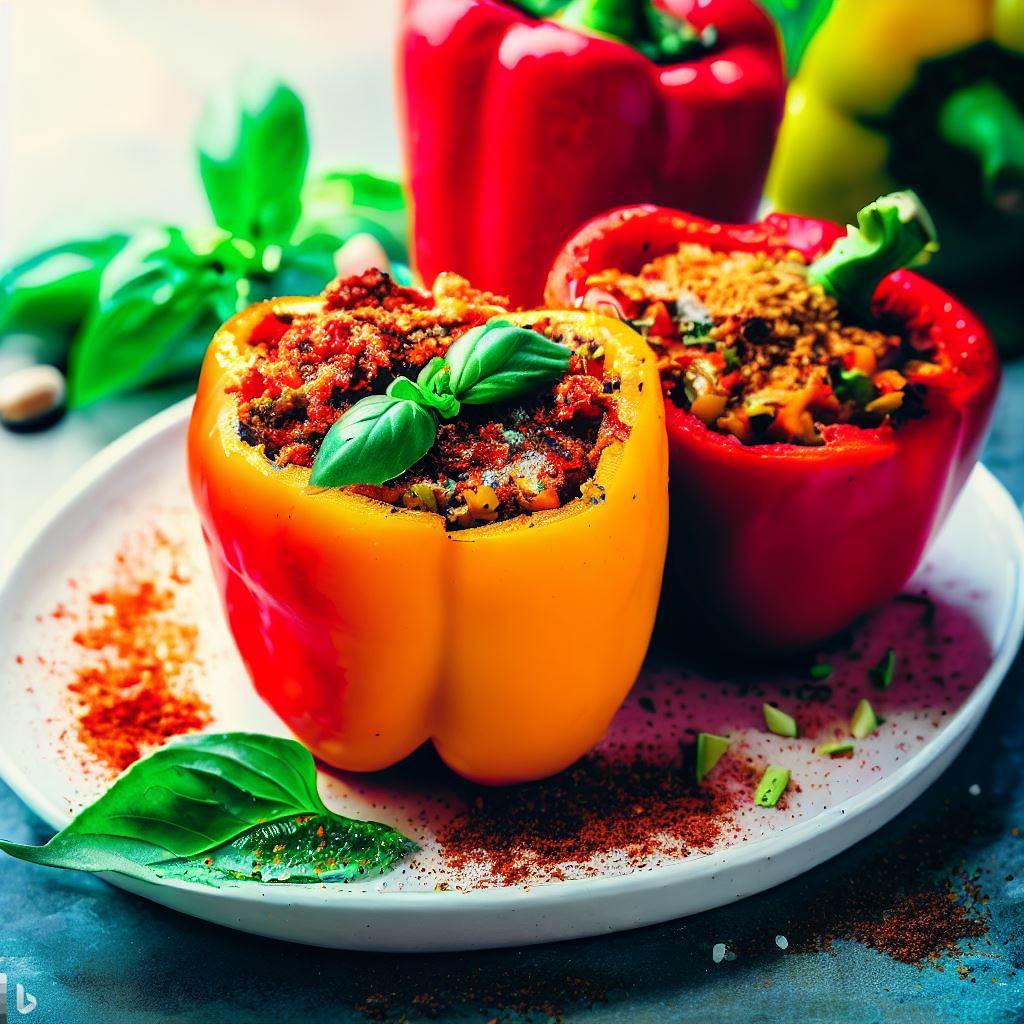
You see, the seeds and core, usually thrown away, can be ground and mixed with spices to create a delightful pepper dust. A quick shake of this spice mix over your stuffed peppers not only elevates the flavors but also adds a subtle crunch, making each bite a multisensory experience.
A Symphony in Sync: The Interplay of Food and Tech
Sometimes, it’s easy to get caught in the snares of single-use plastic containers or drift into the monotony of a kitchen routine that’s less than eco-conscious. This is where smart technology can serve as your metronome, keeping you in rhythm with sustainability.
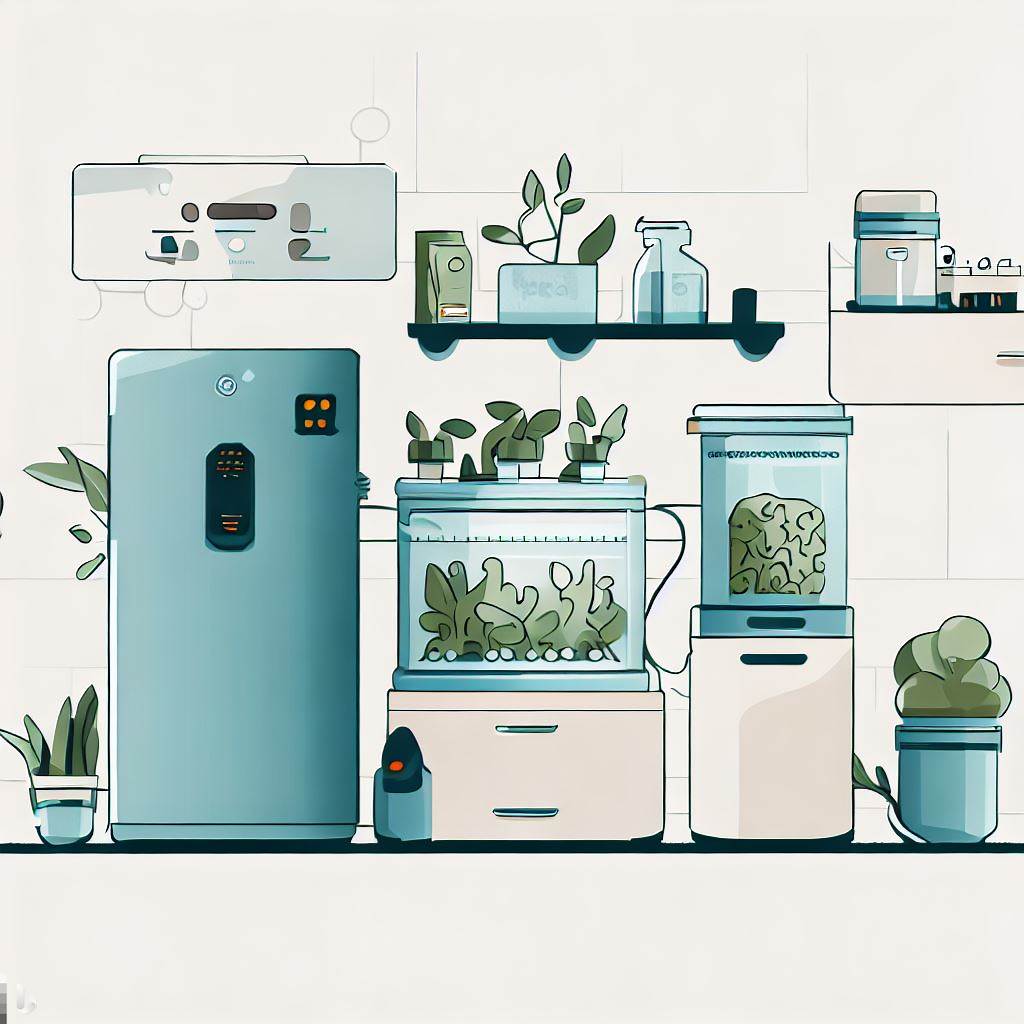
Imagine this: a compost bin that not only notifies you when it’s full but also tells you the composting rate of its contents. Or better yet, a hydroponic herb garden that is integrated with your smart home system, ensuring that you only harvest what you need, thus reducing waste.
Encore: Don’t Let the Music Fade
Keeping the symphony alive requires ongoing practice and tuning. Technology, no doubt, serves as a useful tool in this journey, but it’s not the entire score. It’s you, the chef-cum-software-engineer, who plays the most crucial role. By creating this symbiotic relationship between tech and cuisine, we can direct our focus on sustainable eating habits that are not only beneficial to us but resonate harmoniously with our planet.

And so, dear reader, as you pluck the strings of your guitar or caress the ivories of your piano, remember that you’re not just composing a meal, but an ode to a sustainable future.
Until next time, keep those algorithms fresh and your bell peppers fresher.
Would you like to dive deeper into the world of food sustainability and technology? Feel free to subscribe to my newsletter and follow me on social media for a smorgasbord of delicious insights! 🎶🍲💻
The Symphony of Sensors: Orchestrating a Zero-Waste Kitchen was penned by Ollie Thorne, the programmer who’s on a culinary quest to bridge the gap between tech and the dining table.
 Bites & Bytes
Leave a comment