
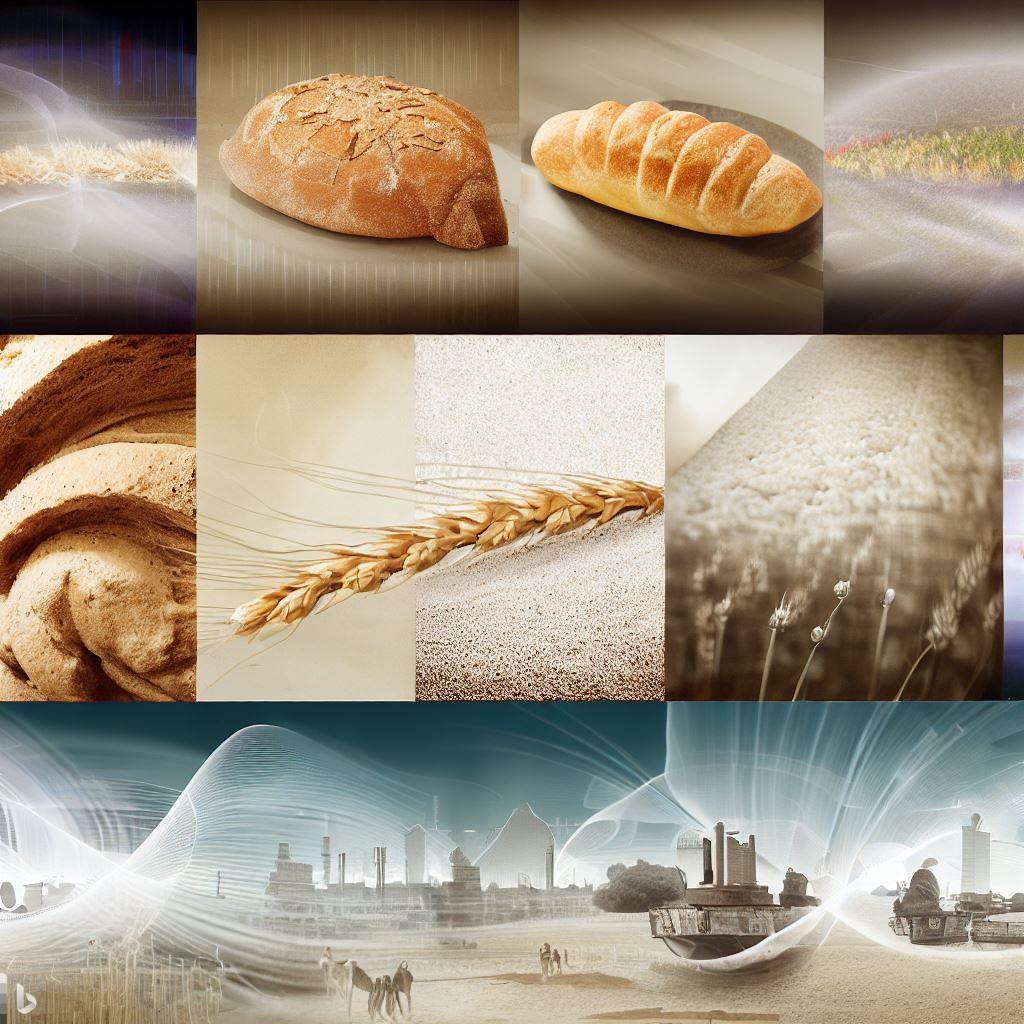
Greetings, dear food explorers and history enthusiasts! Chef HistorEats here, guiding you through the expansive history of bread—a craft as ancient as civilization itself. Today, let’s journey beyond the simple pleasure of a warm, crusty loaf to explore bread’s early roots, its transformative moments, and the future possibilities that await us.
The Cradle of Civilization and The Birth of Bread 🌾
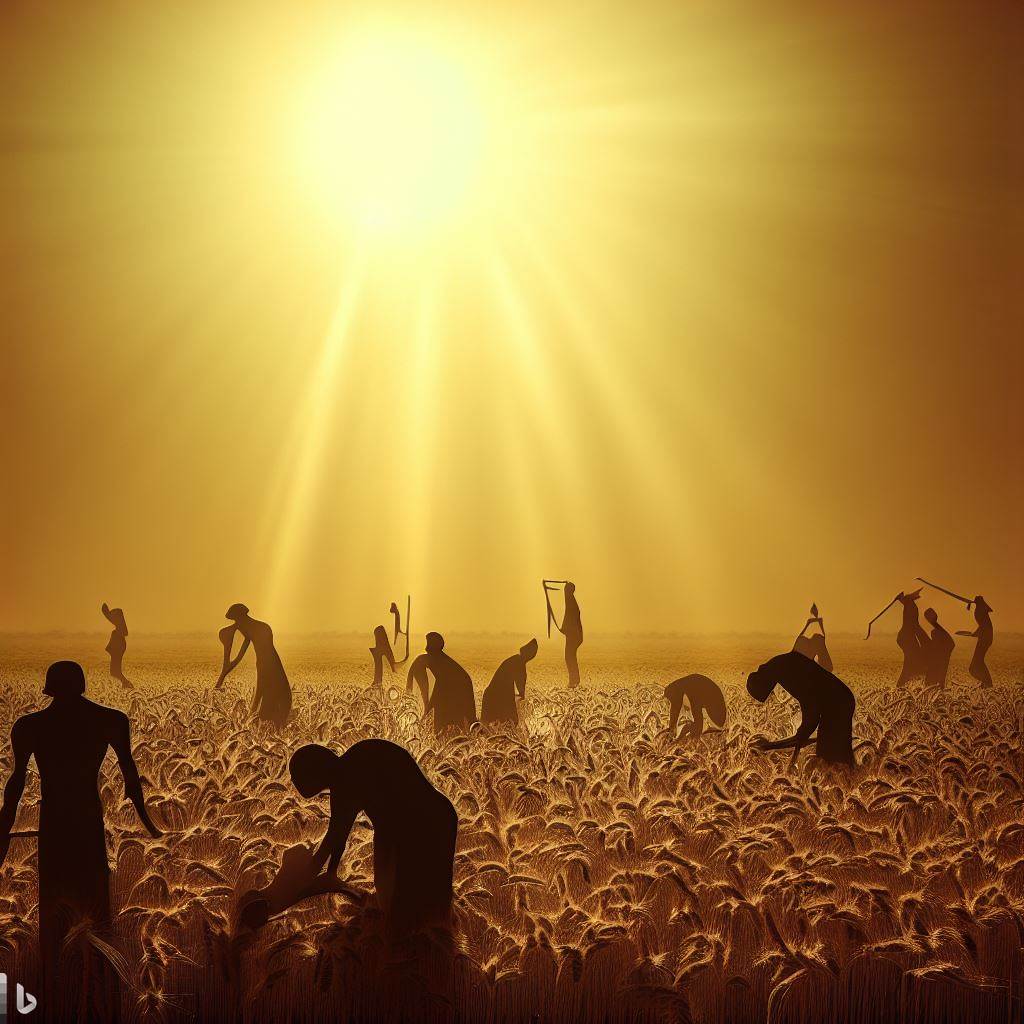
The Fertile Crescent, specifically Mesopotamia, is often heralded as the birthplace of many societal advancements, including agriculture, writing, and yes, bread-making. The oldest evidence of bread production dates back to approximately 14,000 years ago, astonishingly predating organized agriculture. These rudimentary breads resembled flatbreads and were made from a mixture of wild grains like barley and oats.
The grains would be harvested, dried, manually ground into a coarse powder, mixed with water, and then cooked over open flame or hot stones. Imagine the human effort involved! Harvesting grains in the wild, grinding them, and mastering fire—all pivotal steps in our culinary evolution. This laborious bread-making process not only provided sustenance but also contributed to the rise of agrarian societies by encouraging the cultivation of grains.
Rise of The Leaven: From Flat to Fluffy 🌬️
Let’s give a big “thank you” to the ancient Egyptians who were culinary pioneers in multiple respects, including the art of leavening bread. How did they stumble upon this magical process? Most likely, it was accidental serendipity. Picture an Egyptian baker, busy with his chores, leaving a mixture of ground emmer wheat and water in an open vessel. This fortuitous negligence allowed the dough to naturally ferment due to wild yeasts in the air, resulting in the birth of leavened bread. This was a game-changer!
This practice didn’t remain an Egyptian secret; it was absorbed by neighboring cultures. As the Greeks and Romans expanded their empires, so too did the art of leavening. Each civilization added nuances—Roman ovens specialized in bread-making, Greek connoisseurs developed various forms, and specialized bakeries became common sights in large cities.
Bread and Society: Breaking More Than Just Crusts 🍞
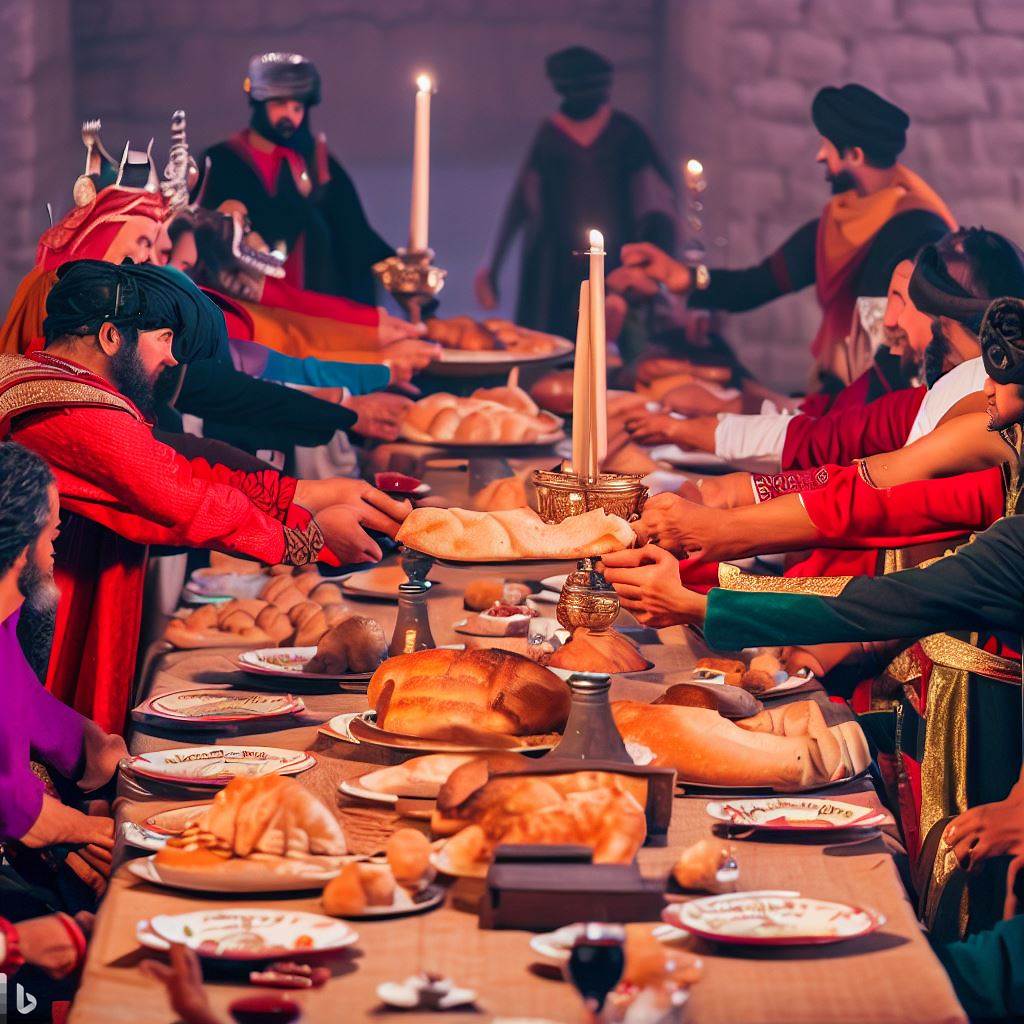
Moving beyond sustenance, bread assumed layers of symbolic importance across different cultures. It functioned as currency, tribute, and even a unit of measurement. In Ancient Rome, the phrase “panem et circenses” or “bread and circuses” underlined the political power of bread as a tool for appeasement. Similarly, the medieval European custom of using communal bread ovens not only optimized resources but also fostered community cohesion, as families gathered to bake their weekly loaves.
Religious texts across traditions also hold bread in high esteem. Whether it’s the Jewish Challah, consumed during the Sabbath, or the wafer used in Christian Eucharist, bread transcends its physical form to symbolize spirituality and unity.
A Modern Twist: Artisan Loaves and GMO Yeasts 🎨🧬
Today, we see a delightful divergence in the world of bread. On one hand, the artisanal bread movement highlights a return to basics: long fermentation, local grains, and wood-fired ovens. On the other hand, modern science is genetically modifying yeast strains to create gluten-free options and loaves fortified with nutrients like Vitamin D and iron. Imagine a loaf that not only feeds you but also meets specific dietary needs—astounding!
Interactive timeline: The Evolution of Bread-making from Prehistory to the Present 🕰️
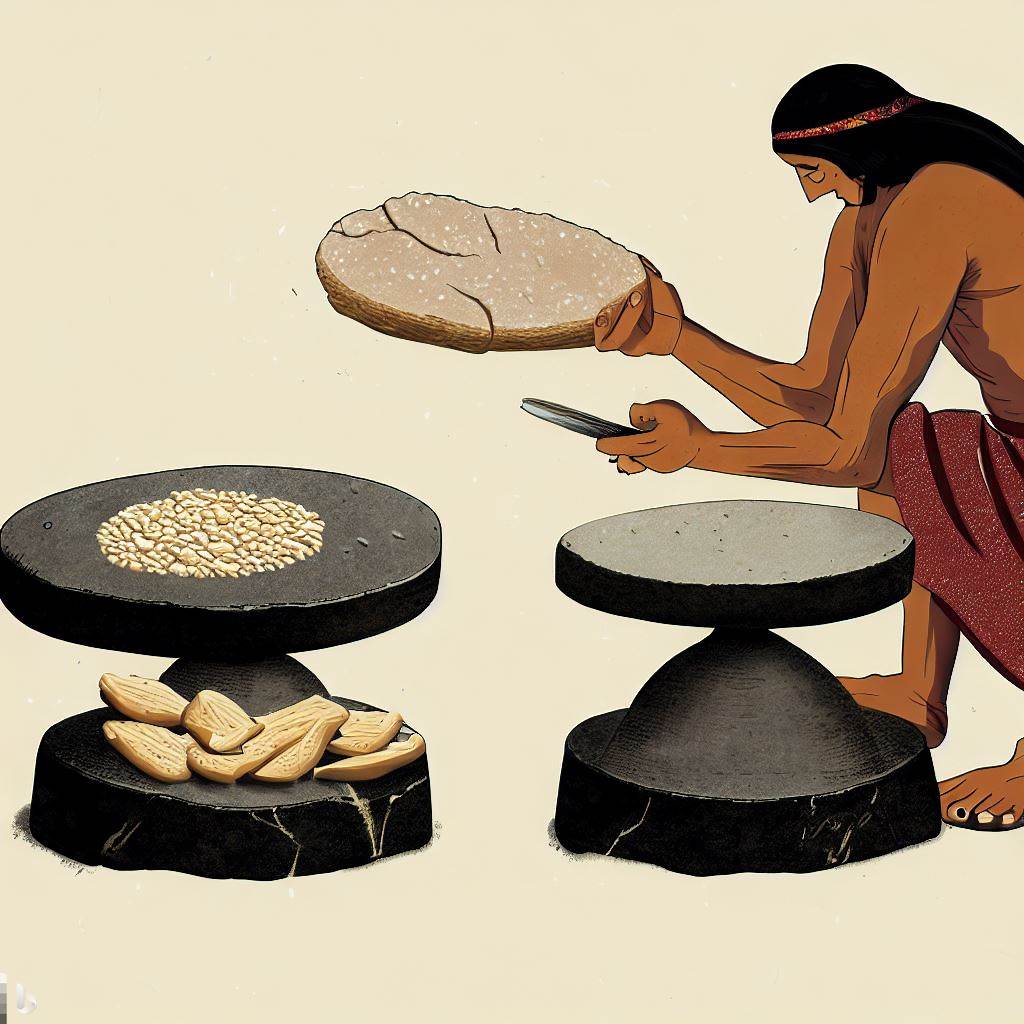
Prehistoric Era (c. 8000 BCE) The discovery of grinding grains between stones led to the birth of rudimentary bread. Essentially flatbreads, they were simple mixtures of water and grains. 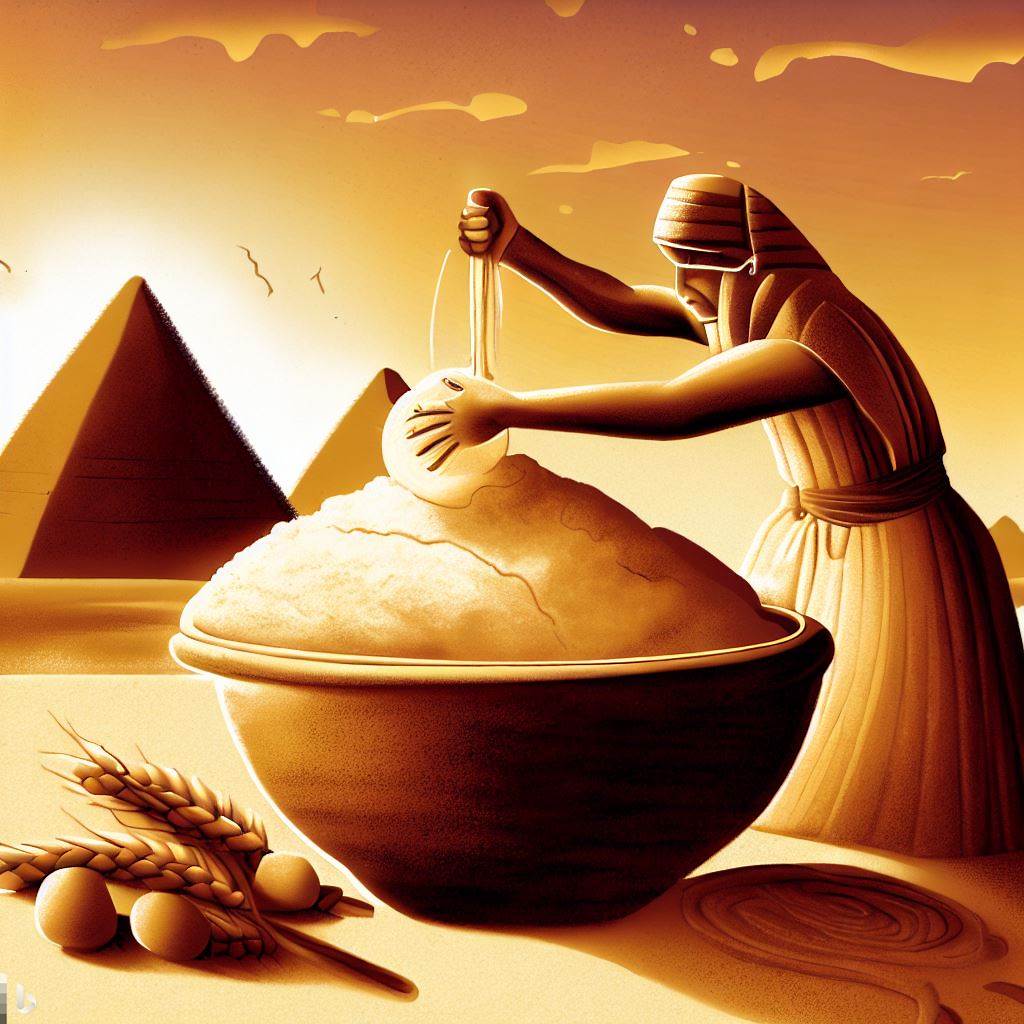
Ancient Egypt (c. 3000 BCE) Egyptians refined the process of bread-making by adding yeast, probably discovered by accident, making the bread rise and be softer. 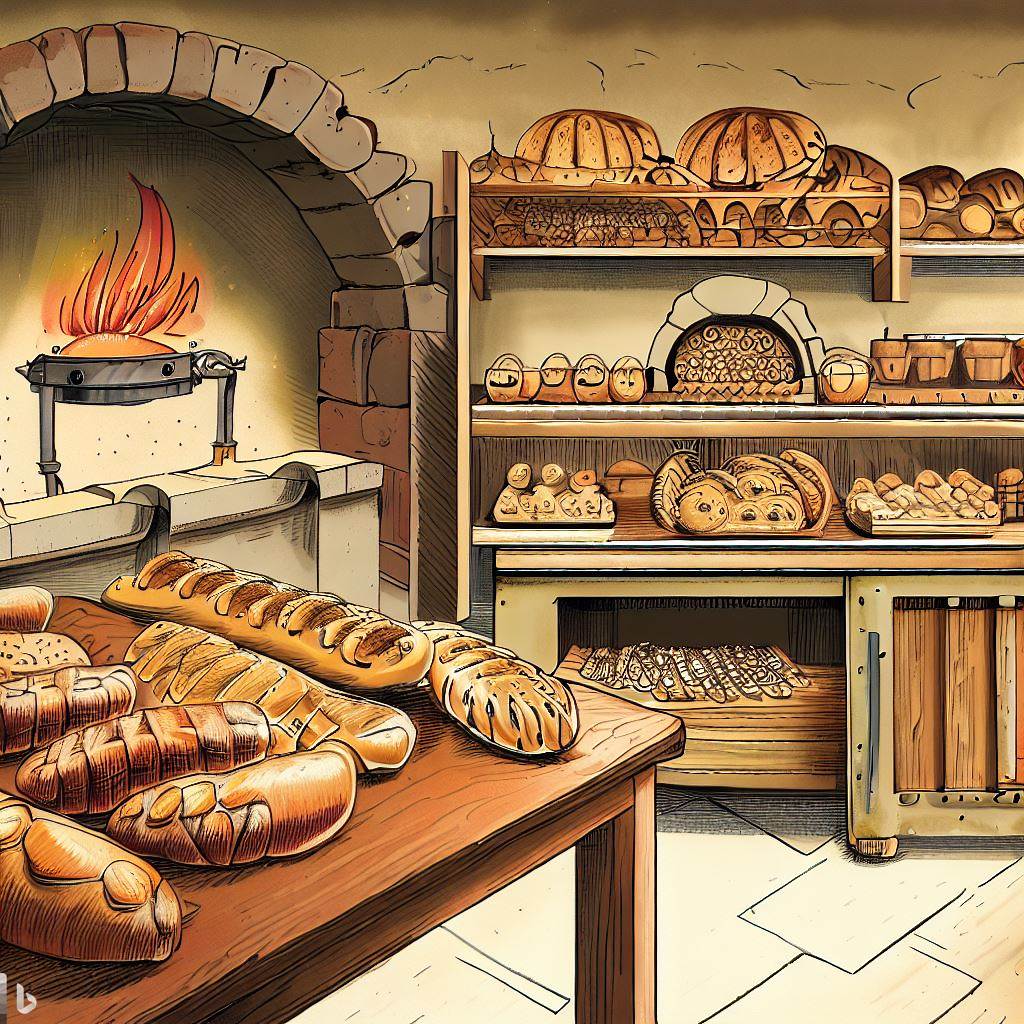
Roman Era (c. 500 BCE – 476 CE) The Roman Empire standardized bread-making methods and established public bakeries. Different grades and types of bread started to appear. 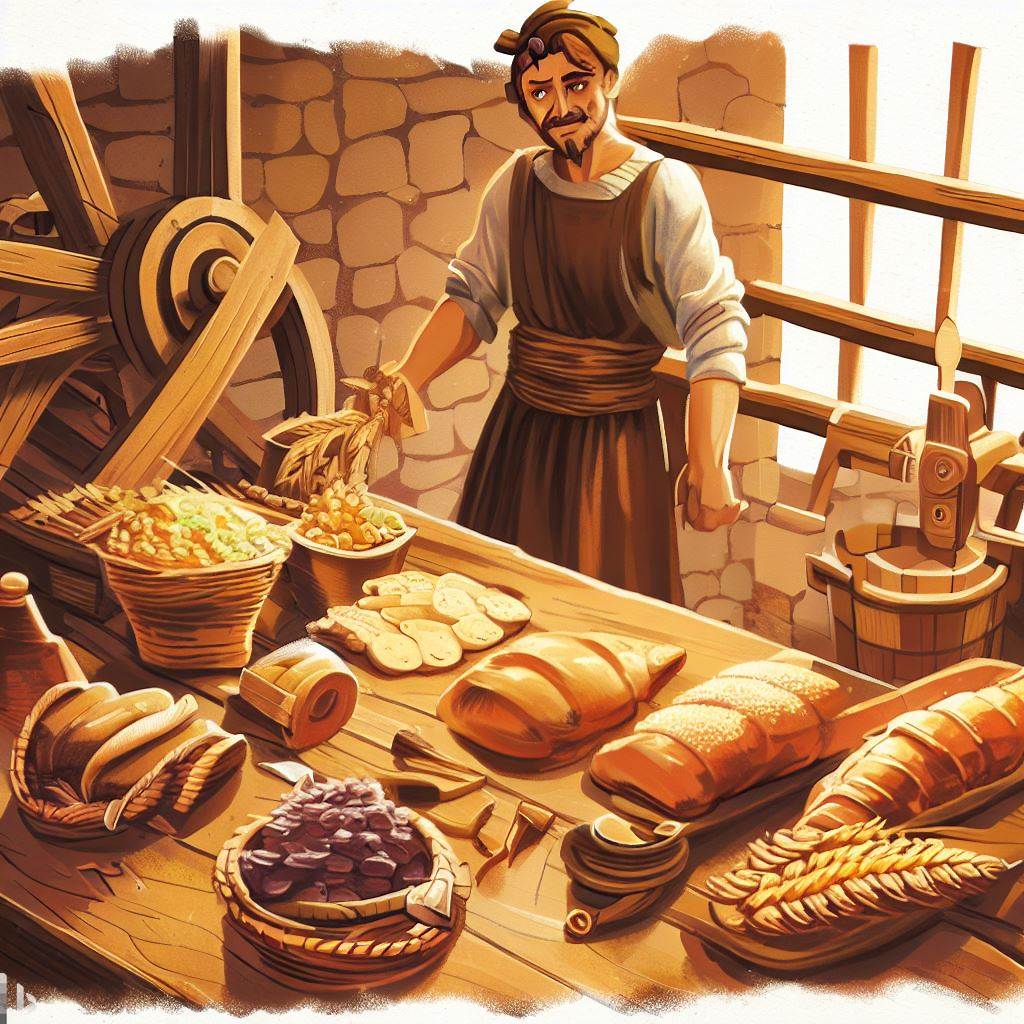
Middle Ages (c. 500 – 1500) Milling techniques improved, and windmills and watermills became popular for grain processing. The types of bread available often signified social class. 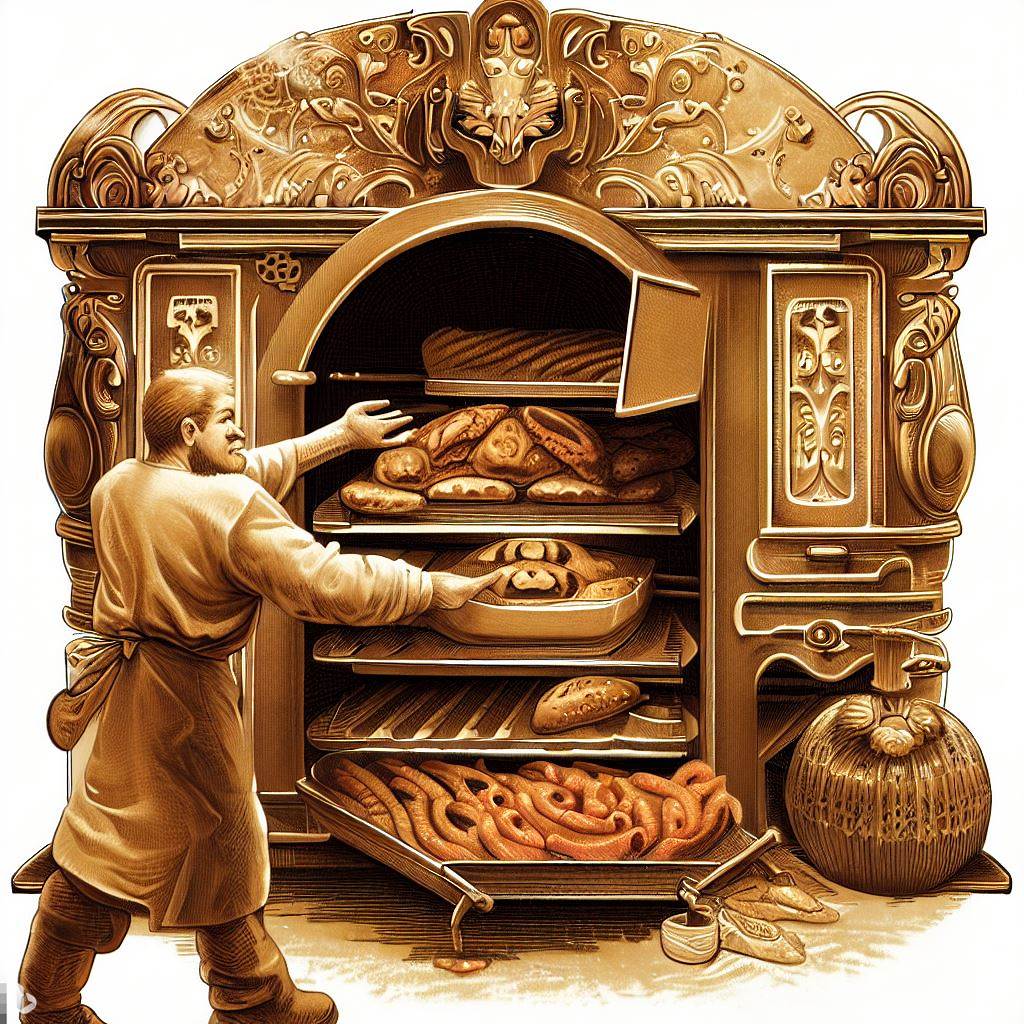
Renaissance (c. 1300 – 1600) The addition of milk, butter, and eggs gave rise to enriched breads, leading to early versions of what we’d now consider pastries. 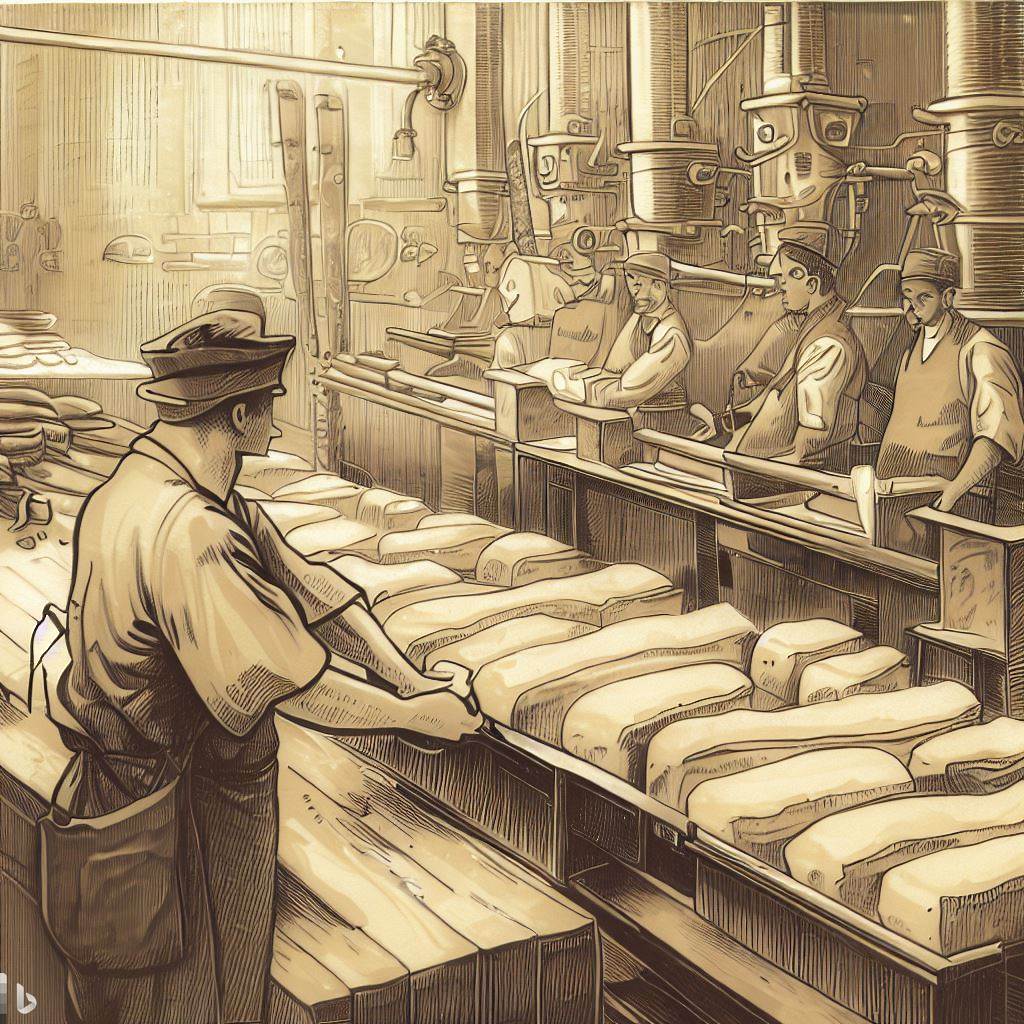
Industrial Revolution (c. 1760 – 1840) Mass production techniques and the invention of pre-sliced bread changed how bread was made and consumed. 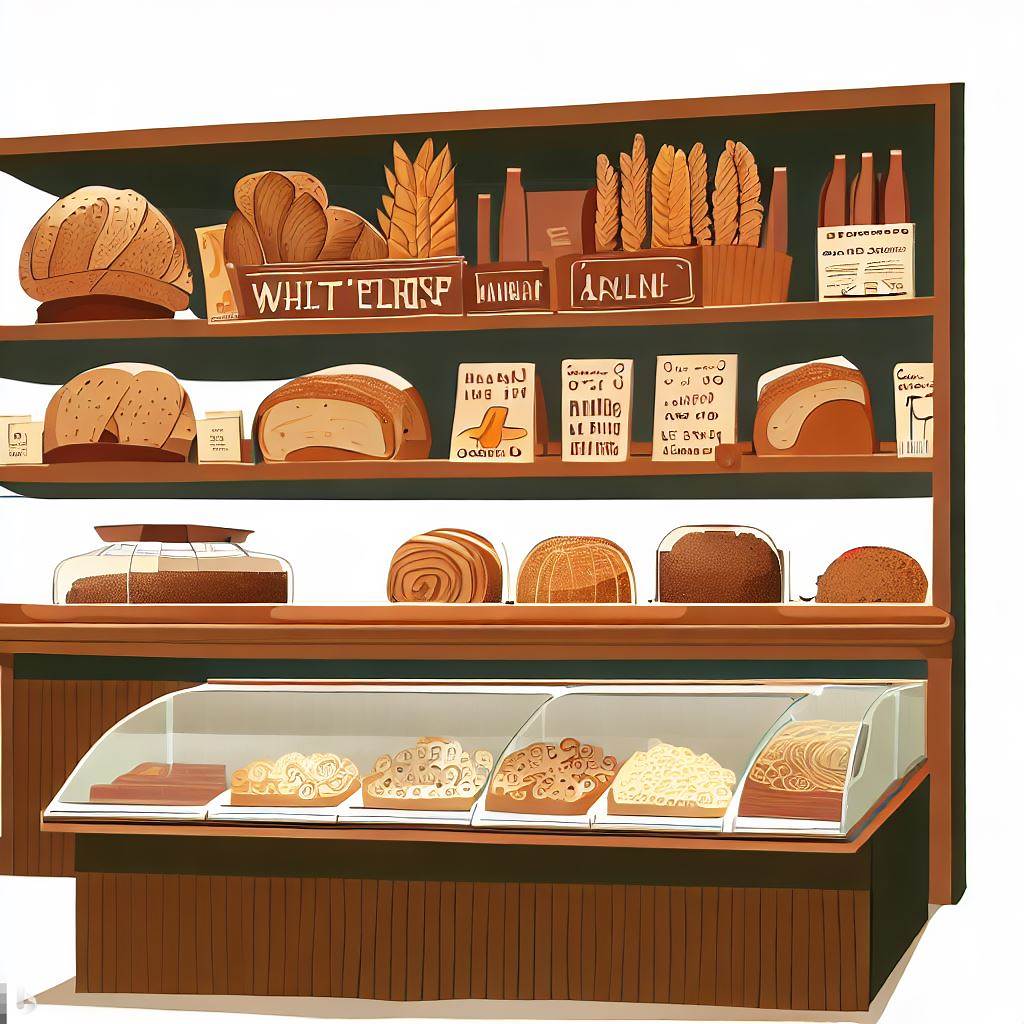
Modern Era (20th Century – Present) Artisan bread-making makes a resurgence, along with a focus on whole grains and sourdough methods. Gluten-free options also appear.
A Glimpse Into The Future: Sustainable Loaves and Beyond 🌏🚀
In the future, could we be looking at zero-waste breads? Innovations like ‘regenerative grains’ that contribute to soil health are on the horizon. Lab-grown yeasts, 3D-printed loaves, and even bread designed for long-haul space travel are developments that might soon exit the realm of science fiction to land on our dining tables.
Recipe Time: Ancient Grain Loaf with a Modern Twist 🍞🌿
Ingredients:
- 1 cup emmer flour
- 1 cup spelt flour
- 1 cup whole wheat flour
- 1 1/2 teaspoons salt
- 1 teaspoon active dry yeast
- 1 1/4 cups warm water (about 110°F or 43°C)
- 1 tablespoon honey
- 2 tablespoons olive oil
- Optional: 1/2 cup mixed seeds (flax, sesame, sunflower)
Equipment Needed:
- Mixing bowls
- Measuring cups and spoons
- Wooden spoon
- Plastic wrap
- Loaf pan (9×5 inches)
- Oven
Instructions:
- Activate Yeast: In a small bowl, combine warm water, yeast, and honey. Let it sit for about 10 minutes until frothy.
- Prepare Dry Mix: In a large mixing bowl, whisk together emmer flour, spelt flour, whole wheat flour, and salt.
- Form the Dough: Create a well in the center of your dry mix. Pour in the activated yeast mixture and olive oil. If using seeds, add them now. Stir until you get a shaggy dough.
- Knead: Turn the dough out onto a floured surface. Knead for about 10 minutes, until smooth and elastic. If the dough is too sticky, add a little more whole wheat flour.
- First Rise: Place the dough in a lightly oiled bowl, cover with plastic wrap, and let rise in a warm place for 1-2 hours, or until doubled in size.
- Shape the Loaf: Punch down the risen dough and shape it into a loaf. Place it in a greased loaf pan.
- Second Rise: Cover the loaf pan with plastic wrap and let rise for another 45 minutes to 1 hour, until it has nearly doubled in size again.
- Preheat Oven: About 15 minutes before your second rise is complete, preheat your oven to 375°F (190°C).
- Bake: Once the second rise is complete, remove the plastic wrap and place the loaf pan in the preheated oven. Bake for 30-35 minutes, or until the loaf sounds hollow when tapped on the bottom.
- Cool and Serve: Remove the bread from the oven and let it cool in the pan for about 10 minutes. Transfer to a wire rack to cool completely before slicing.
Final Crumbs 🥖
As you take that next bite of your sandwich or dip a piece of crusty bread into a hot bowl of soup, I encourage you to pause and reflect. Bread, in its myriad forms and flavors, is more than a staple—it’s a rich tapestry woven through the timeline of human civilization. Until next time, keep exploring and eating, my friends! 🍞📚🕰️





 Bites & Bytes
Leave a comment