
When you think of algorithms, you probably imagine complicated math equations or search engine mechanics, right? But what if I told you that your favorite restaurant or meal delivery app uses algorithms to appeal to your taste buds? Surprise! Today, we’re delving into how algorithms are influencing the food we eat, shaping restaurant menus, and even revolutionizing home cooking.
How Algorithms Identify Taste Patterns 🤖👅
The use of algorithms in food might sound futuristic, but it’s very much part of our culinary present. Restaurants and food delivery platforms often analyze customer data to recommend new dishes. Algorithms take into account your past orders, the frequency of certain ingredients, and even seasonality to suggest what you might enjoy next.
Have you ever wondered why your food delivery app suddenly starts recommending pumpkin spice lattes in October? It’s not magic; it’s math. Seasonal shifts and current trends are encoded into these algorithms, offering dishes that appeal to collective cravings.
Your Personalized Cookbook 📚🍲
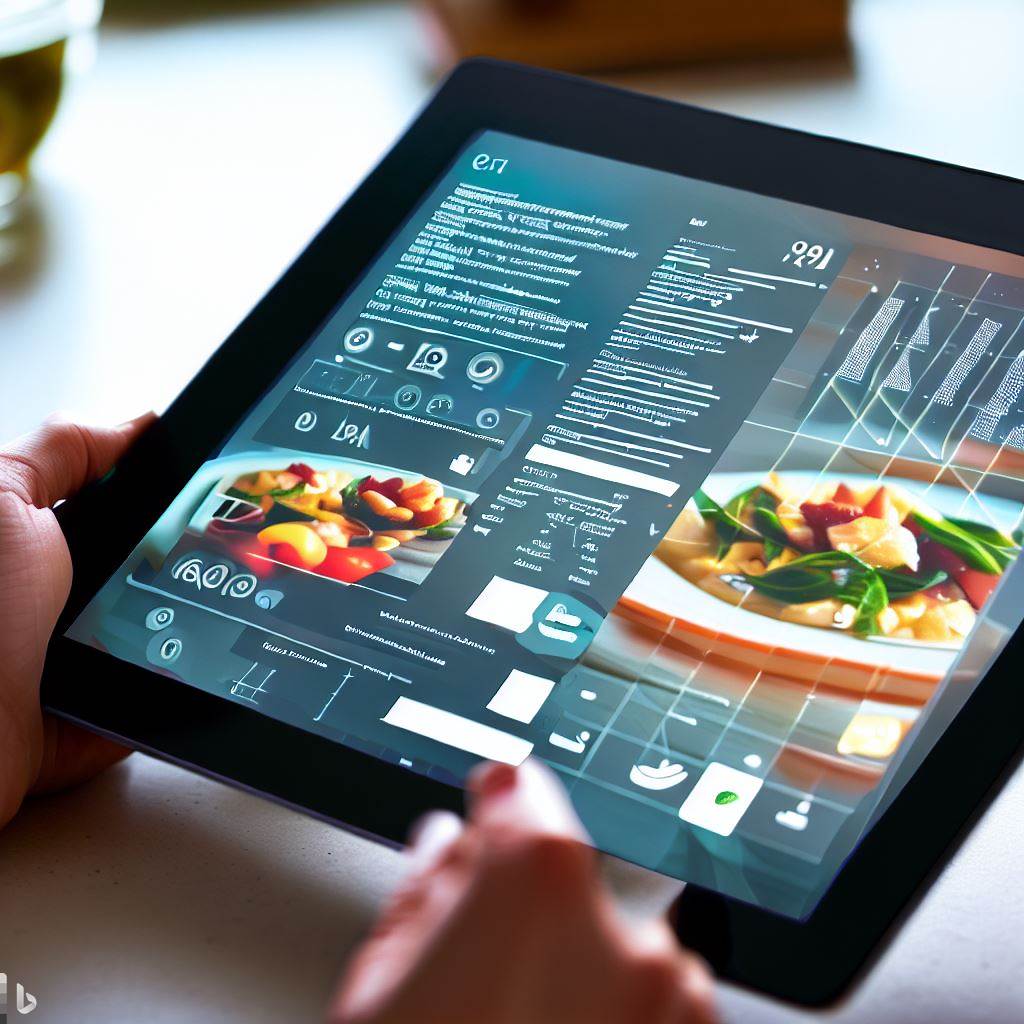
Cooking apps have joined the algorithmic trend too! Ever found a cooking app that recommends recipes based on what you’ve cooked before? That’s an algorithm in action. Some of these apps even go as far as to predict what you might want to cook based on the weather. Picture this: the app knows it’s a rainy day and recommends a warm bowl of pho. That’s comfort at your fingertips, literally!
Navigating the Complexity of Nutrition and Sustainability
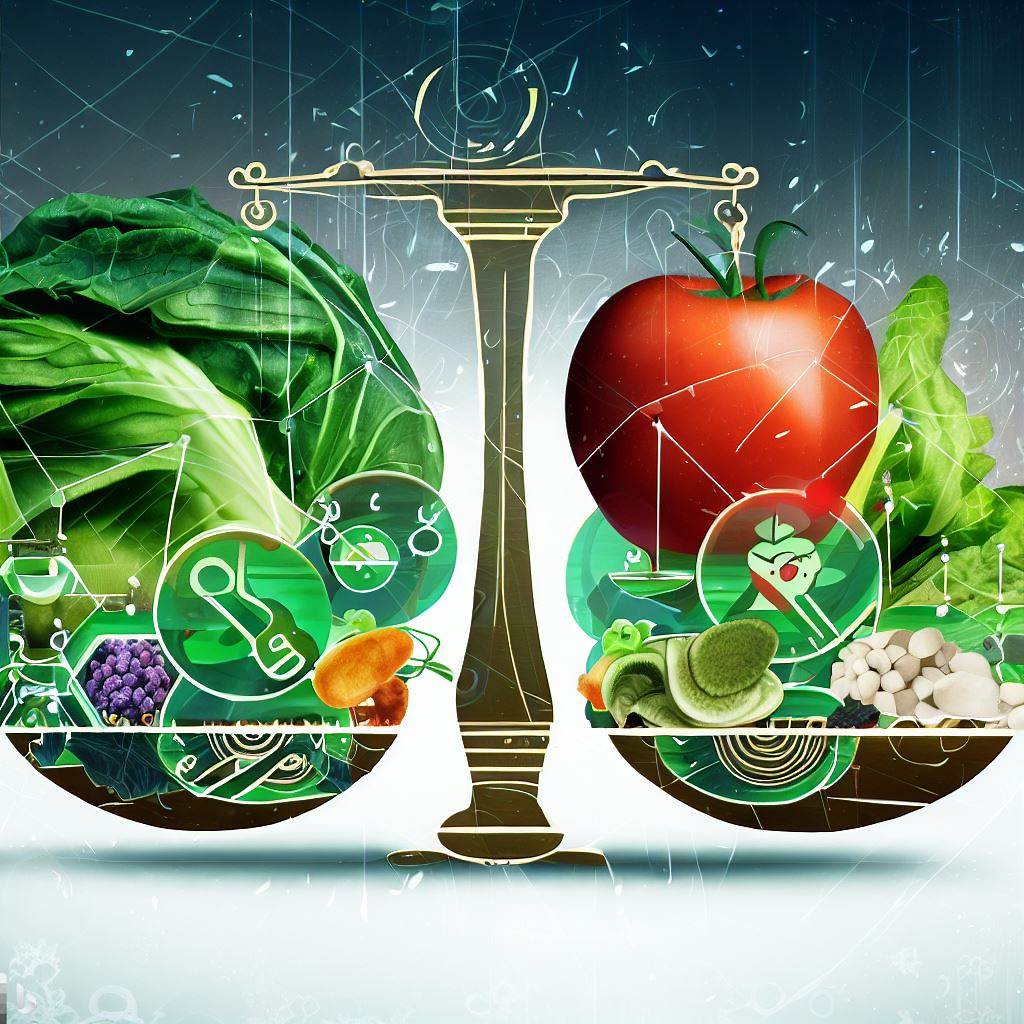
When it comes to algorithm-driven food choices, there’s an ethical dimension we can’t afford to ignore: the interplay of nutrition and sustainability.
Personalization, But at What Cost?
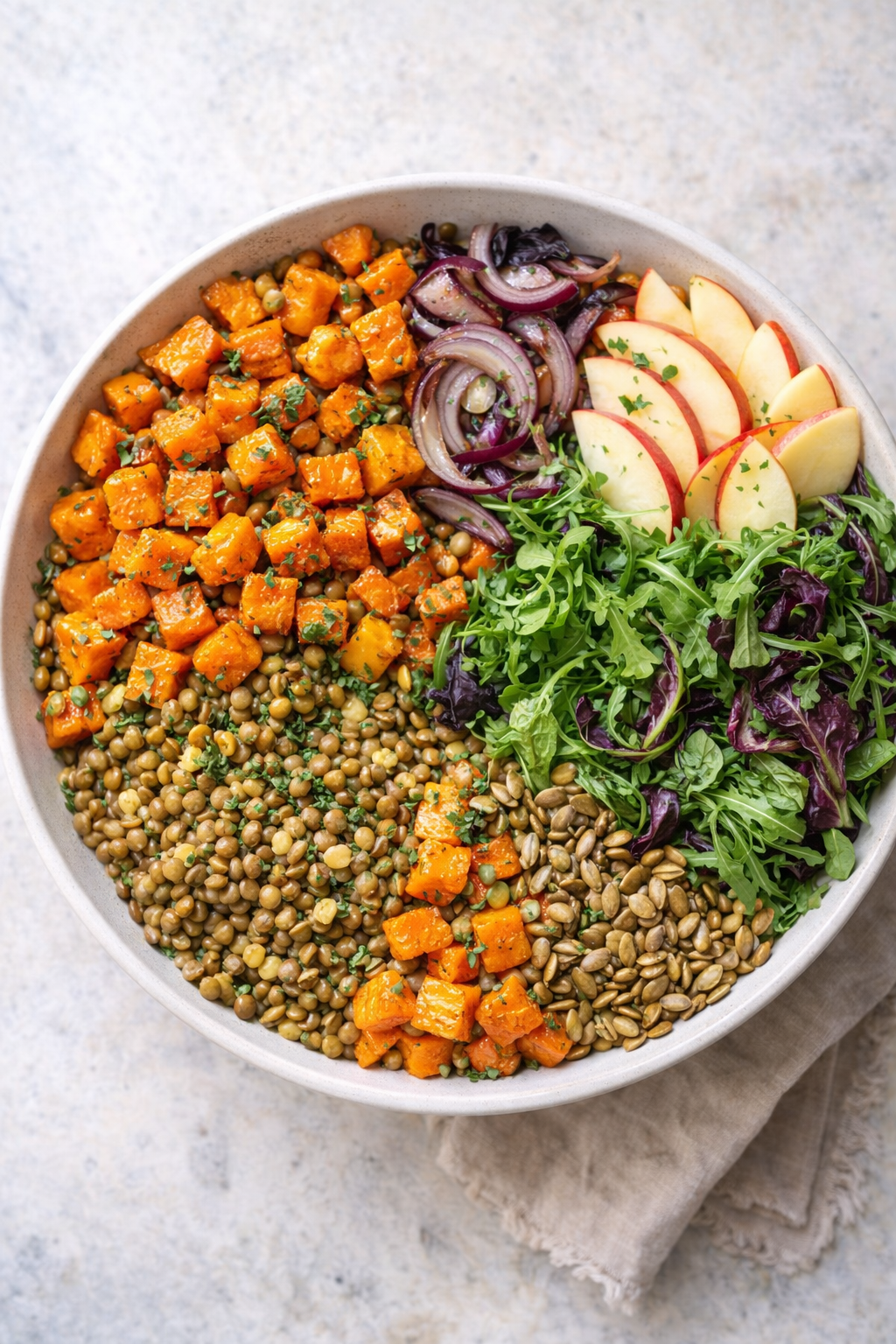
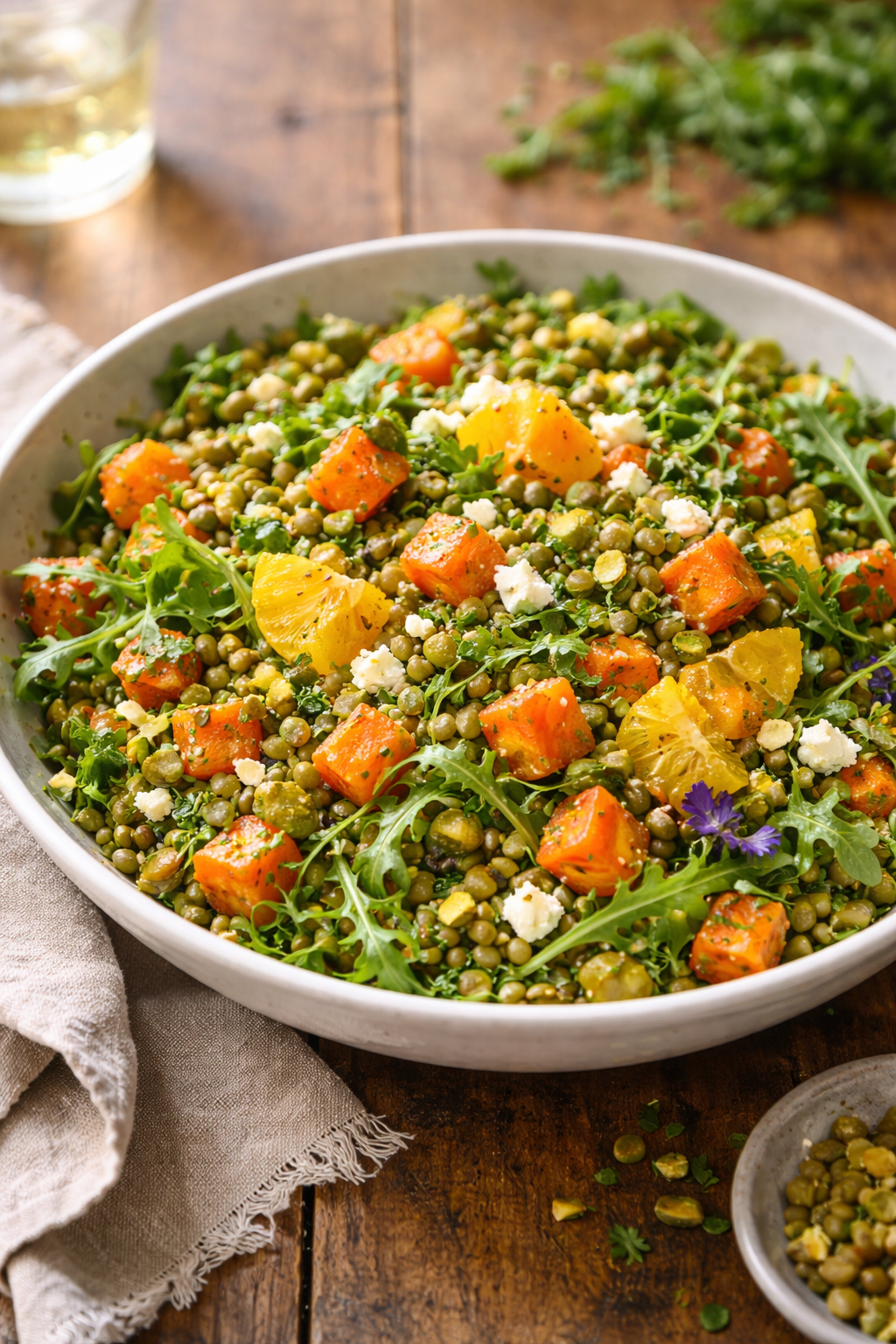
Many recommendation engines prioritize taste and personal dietary preferences. But should they also consider the carbon footprint of your diet? Imagine receiving recommendations for beef steaks and imported tropical fruits daily. Delicious? Yes. Sustainable? Not so much. Algorithms have the potential to suggest more eco-friendly alternatives like locally-sourced vegetables or protein sources with less environmental impact, like lentils or tempeh.
The Nutritional Paradox
Even as we grow more health-conscious, algorithms can perpetuate unhealthy eating habits. Take for example the plethora of fast food coupons that crowd your inbox, personalized based on your previous orders. While convenient and satisfying in the short term, these algorithmic suggestions often prioritize taste and immediate gratification over long-term health benefits. We should be asking if these algorithms can be fine-tuned to also consider the nutrient density of foods, daily caloric intake, and long-term health risks or benefits.
Balancing Act: Tech for Good
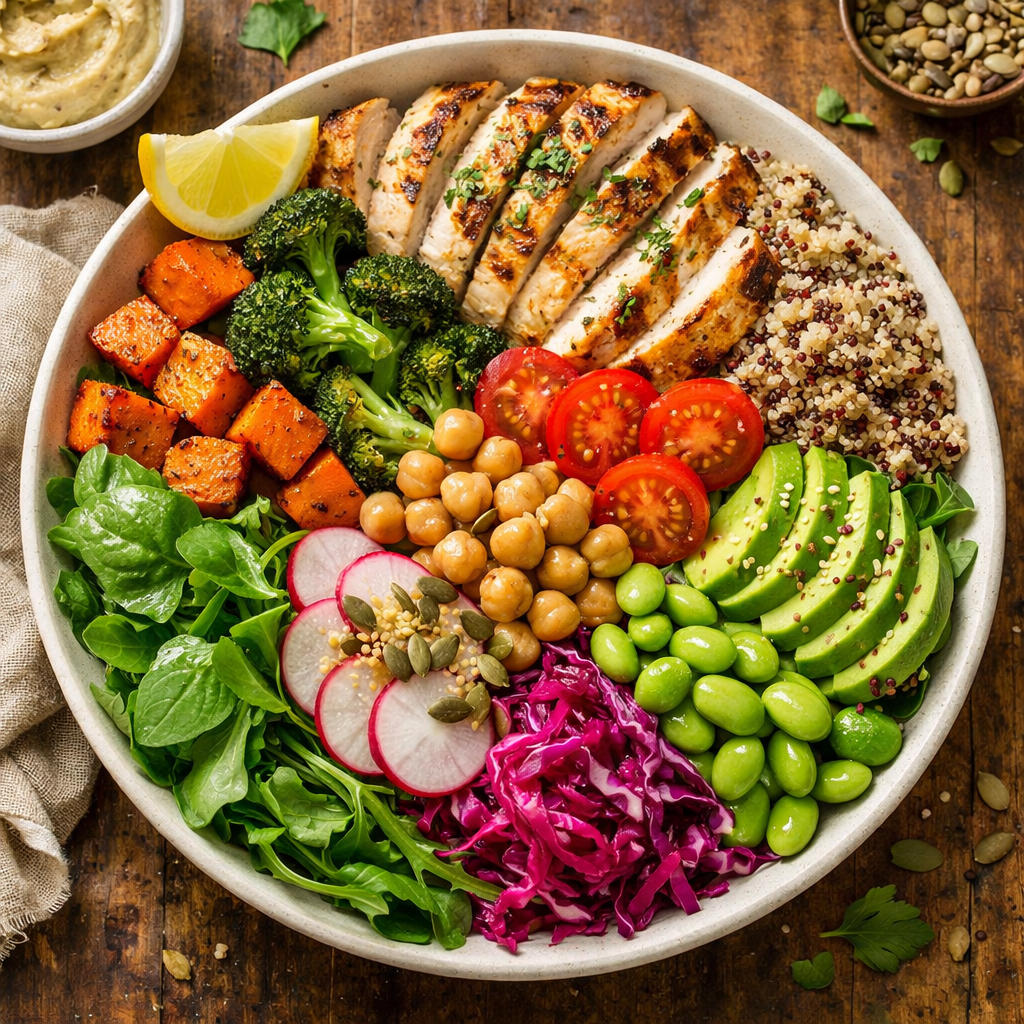
But all is not lost. Emerging startups are diving deep into creating recommendation algorithms that harmonize taste, health, and environmental stewardship. Imagine a future where your smart fridge suggests a week-long meal plan that’s not just delicious but also optimized for minimum food waste and maximum nutritional value. Or envision an app that helps you choose a restaurant based on the sustainability practices they follow, from sourcing local produce to minimizing food waste.
Towards a Sustainable Algorithmic Future
It’s high time we advocate for algorithms that are not just clever but conscientious. Nutritional guidelines and sustainability metrics can and should be integrated into recommendation engines. Consumers should also demand transparency in how these algorithms work, ensuring that they align with individual and collective goals for a healthier and more sustainable lifestyle.
With the incorporation of these complex but critical issues, algorithms can become a tool for good, guiding us toward choices that nourish not just our bodies, but also our planet.
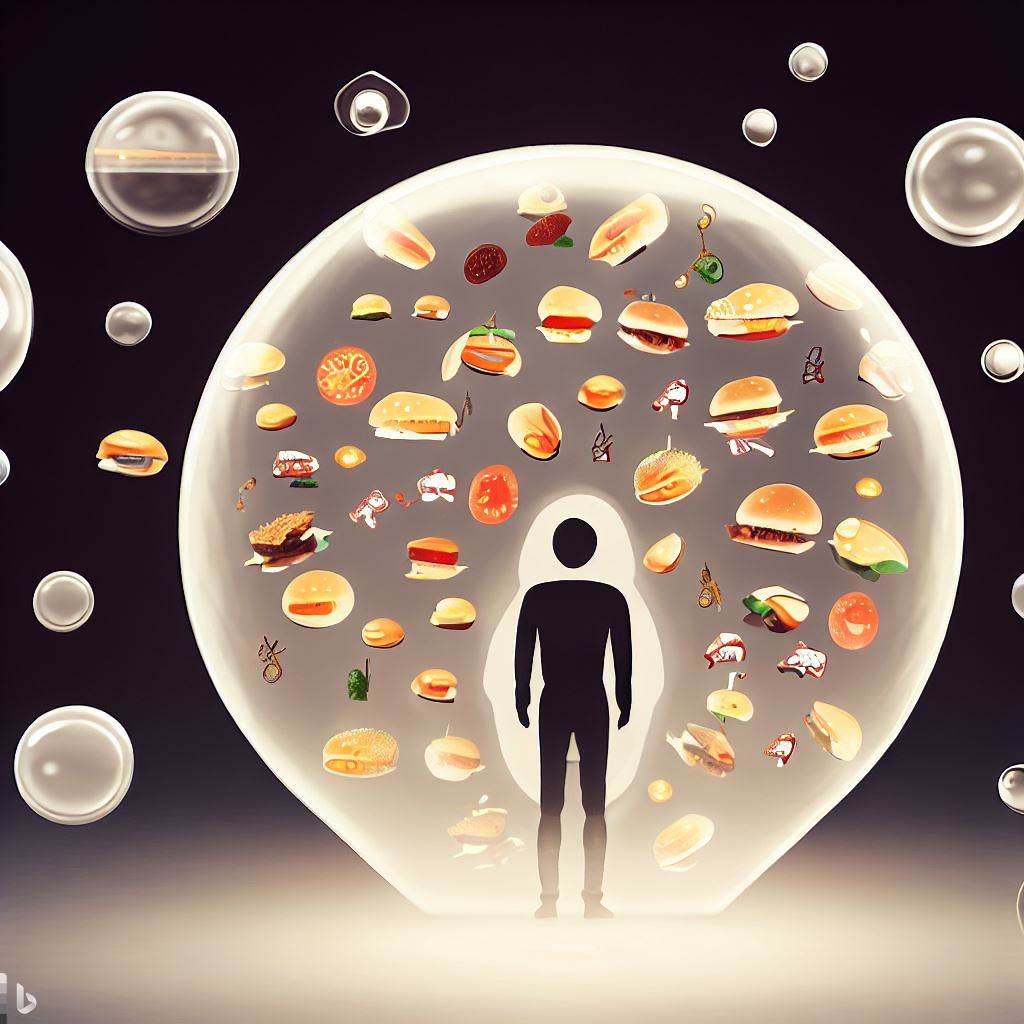
The Flip Side: Watch Out for Culinary Echo Chambers! 🔄🍽
While it’s amazing that an algorithm can predict you’ll be craving a burrito next Thursday, there’s a potential downside: the creation of a “culinary echo chamber.” Just as social media algorithms can limit your exposure to diverse perspectives, food algorithms can narrow your culinary experiences. Beware of getting stuck in a gastronomical loop, and remember to venture outside your algorithmic comfort zone!
Conclusion
The intersection of technology and food is more seamless than we often realize. Algorithms are not only shaping our digital experiences but also crafting our culinary journeys. So the next time you’re recommended a new dish or find a personalized recipe popping up on your app, you’ll know there’s a fascinating blend of data and culinary science behind it.
Bon Appétit and Happy Coding! 🍽️💻


 Bites & Bytes
Leave a comment