
“Rice: A Global Love Story” 🍚✈️🌍
Hello, fellow food enthusiasts and welcome to the third installment of “The Rice Chronicles.” I’m Elle Thyme, and I usually write over at “Curious Cravings.” But today, I’m beyond thrilled to be a guest here at Bites & Bytes, delving into the cultural tapestry of rice.
A World of Flavors: Rice Through Cultures
Let’s start with a little travel itinerary. Picture yourself in India, savoring a fragrant biryani, then jet-set to Italy for some creamy risotto. Now hop over to Senegal for thieboudienne, a rice dish cooked in tomato sauce and fish. From the spicy jollof rice of West Africa to the comforting congee of East Asia, rice speaks every culinary language there is. It’s a common thread tying millions together, making it a gastronomic diplomat in its own right.
Myth-Busting: The Sushi Misconception
Let’s put the rumor mill to rest for a minute, shall we? Sushi does not mean raw fish. The term ‘sushi’ actually refers to the vinegared rice accompanying the fish or other ingredients. Japan’s iconic dish underscores the pivotal role of rice in its culinary landscape—a role often obscured by a singular focus on seafood.
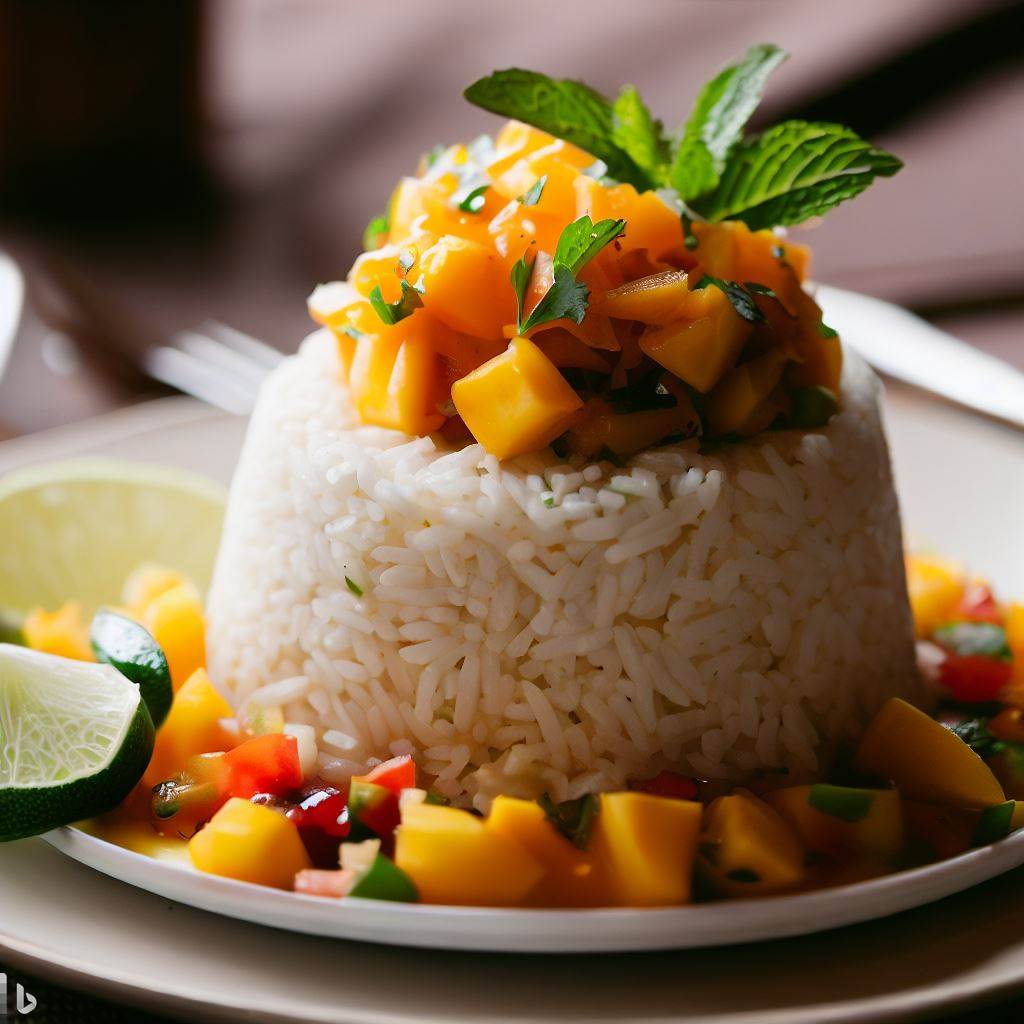
Recipe: Coconut Rice with Mango Salsa
Fusion cuisine is the true testament of rice’s adaptability. It accepts, and even elevates, flavors from all over the world. Today, I want to share my tropical Coconut Rice with Mango Salsa recipe. It fuses Southeast Asian influences with Caribbean zest. The creaminess of the coconut milk, the tanginess of the mango, and the spice kick from jalapenos will take your taste buds on a global adventure.
Ingredients:
For the Coconut Rice:
- 1 1/2 cups jasmine rice
- 1 can (13.5 oz) coconut milk
- 1 cup water
- 1 teaspoon salt
- 1 tablespoon coconut oil
For the Mango Salsa:
- 2 ripe mangos, peeled and diced
- 1 medium red onion, finely chopped
- 1 jalapeno, seeds removed and minced
- Juice of 1 lime
- 1/2 cup fresh cilantro, chopped
- Salt to taste
Instructions:
For the Coconut Rice:
- Rinse the Rice: Place the jasmine rice in a fine-mesh sieve and rinse under cold water until the water runs clear. Drain well.
- Combine Ingredients: In a medium-sized pot, combine the rinsed rice, coconut milk, water, salt, and coconut oil.
- Cook the Rice: Bring the mixture to a boil over medium-high heat. Once boiling, lower the heat to low, cover the pot, and let it simmer for 18-20 minutes, or until the rice is tender and has absorbed the liquid.
- Fluff and Serve: Remove the pot from heat and let it sit, covered, for 5 minutes. Then fluff the rice with a fork.
For the Mango Salsa:
- Prep the Ingredients: Peel and dice the mangos, finely chop the red onion, and mince the jalapeno. Chop the cilantro and juice the lime.
- Mix the Salsa: In a medium bowl, combine the diced mangos, red onion, jalapeno, lime juice, and chopped cilantro. Add salt to taste and mix well.
- Let it Marinate: Allow the salsa to sit for at least 20 minutes to meld the flavors together. This can be prepared in advance and stored in the refrigerator.
To Serve:
- Plate the Dish: Scoop a generous helping of coconut rice onto each plate.
- Top with Salsa: Spoon the mango salsa over the coconut rice.
- Garnish: Optionally, garnish with a lime wedge and a sprig of cilantro for an added pop of color and flavor.
Flavor Philosophy: Why is Rice So Comforting?
When we talk about comfort food, the conversation often leads to the rich, creamy, and sometimes decadent dishes that have warmed our hearts and bellies throughout our lives. But have you ever wondered why a simple bowl of rice can offer the same emotional satisfaction as a complex, meticulously crafted dish? Let’s delve into the fascinating interplay of science, culture, and psychology that makes rice a universal comfort food.
The Science of Starches
Rice is predominantly made up of complex carbohydrates, primarily in the form of starches like amylose and amylopectin. These starches are broken down into glucose, our body’s primary source of energy, triggering an increase in the neurotransmitter serotonin. Serotonin is often dubbed the “happy chemical” because of its pivotal role in mood regulation. Simply put, eating rice can literally make you feel happier!
Umami and Other Flavors
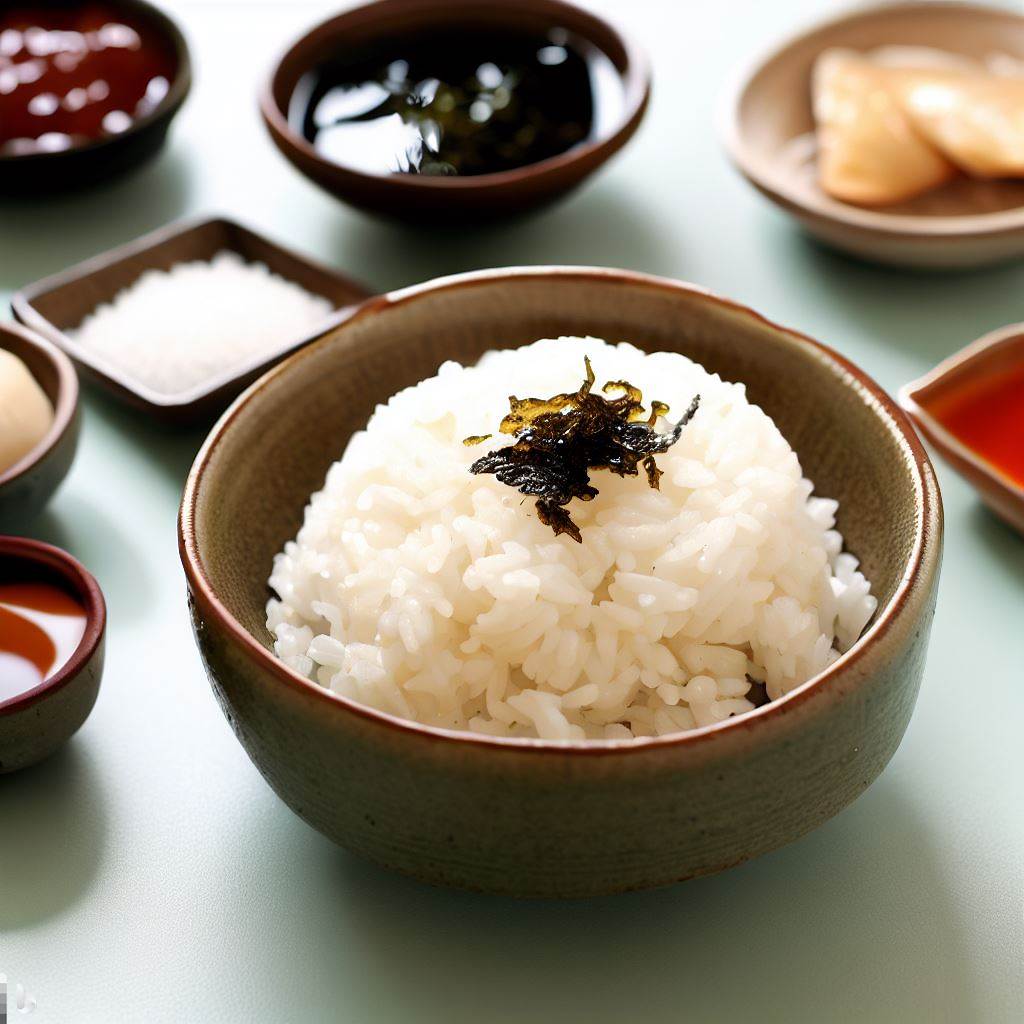
Asian cuisines often pair rice with ingredients rich in umami—the fifth basic taste after sweet, sour, salty, and bitter. Foods like soy sauce, miso, and seaweed have high umami properties and form a harmonious synergy with rice, making each bite an orchestra of flavors. The result? Your brain registers the meal as highly satisfying, and it becomes a dish to crave when you need uplifting.
Culinary Blank Canvas
Rice is like a culinary blank canvas, versatile enough to be the backdrop for a wide range of flavors. From the subtle jasmine rice accompanying a Thai curry to the saffron-infused spectacle of a Spanish paella, rice can adapt to the personality of any cuisine. Its very adaptability is comforting; it’s like the food equivalent of your favorite pair of jeans—always reliable, always fits, and pairs well with just about anything.
Cultural Resonance
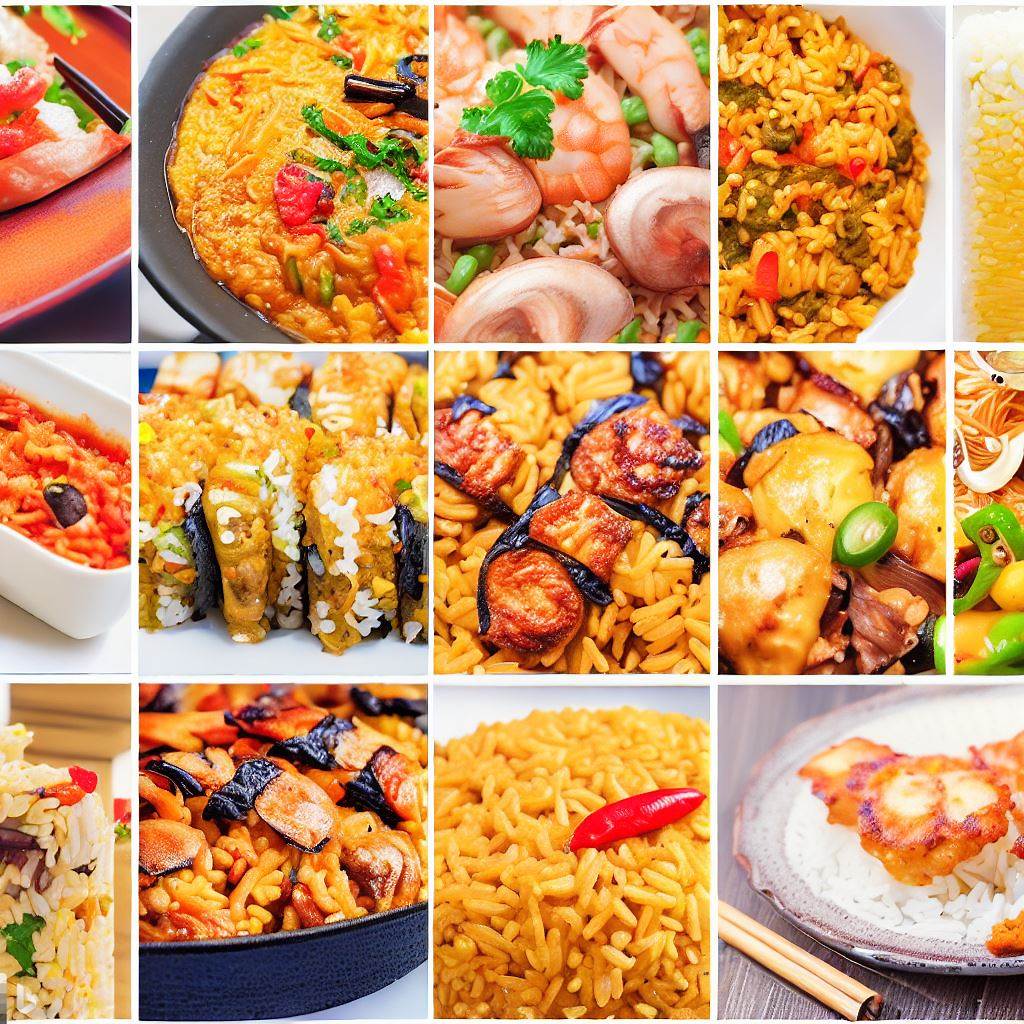
Across various cultures, rice isn’t just a staple; it’s a symbol of life and prosperity. In many Eastern cultures, the word for ‘rice’ and ‘food’ are the same, underlining its significance. The communal experience of sharing a pot of rice transcends simple nourishment, tapping into ancestral memories and shared cultural identities. When you eat rice, you’re not just feeding your body, but also connecting with a shared human experience that dates back millennia.
Psychological Comfort
Finally, the very act of eating rice—scooping it up with your hand or a utensil, feeling its texture, and savoring its aroma—can be meditative. There’s a reason why mindfulness practices often focus on the experience of eating; it brings us into the moment. The repetitive, almost ritualistic, act of eating rice can bring a sense of peace and simplicity in a complicated world.
So, the next time you find solace in a humble bowl of rice, you’ll know that it’s not just nostalgia or hunger that makes it comforting. It’s a complex web of biochemical reactions, cultural history, and psychological cues that make rice the ultimate comfort food.
Gumbo’s Review: Bird-Friendly Wild Rice
Now, my parrot Gumbo couldn’t be left out. After a little taste test, Gumbo heartily approves of wild rice. It turns out, the less domesticated, the better—for birds and adventurous palates alike!
Proverb of the Day:
As they say in Thailand, “Where there is rice, there can be no hunger.” Keep exploring, and may your plates be forever full.
 Bites & Bytes
Leave a comment