
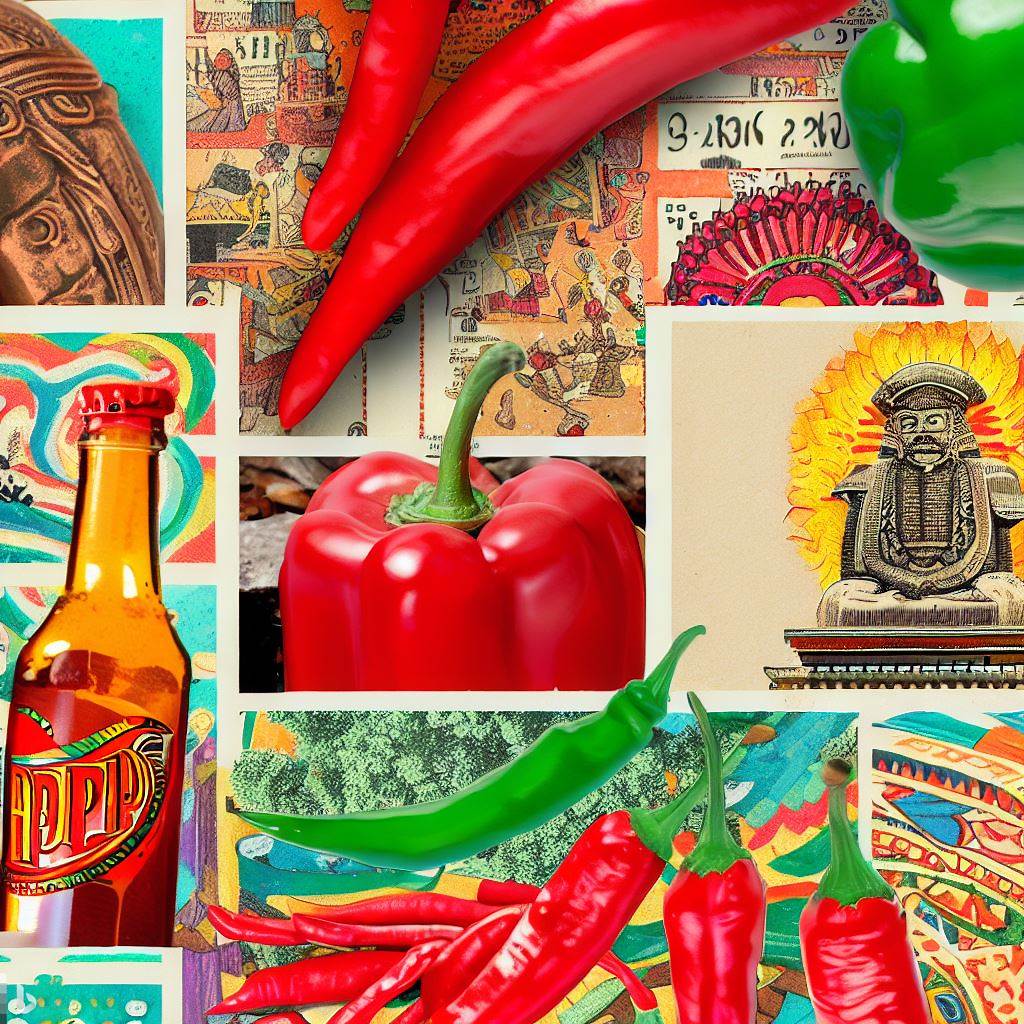
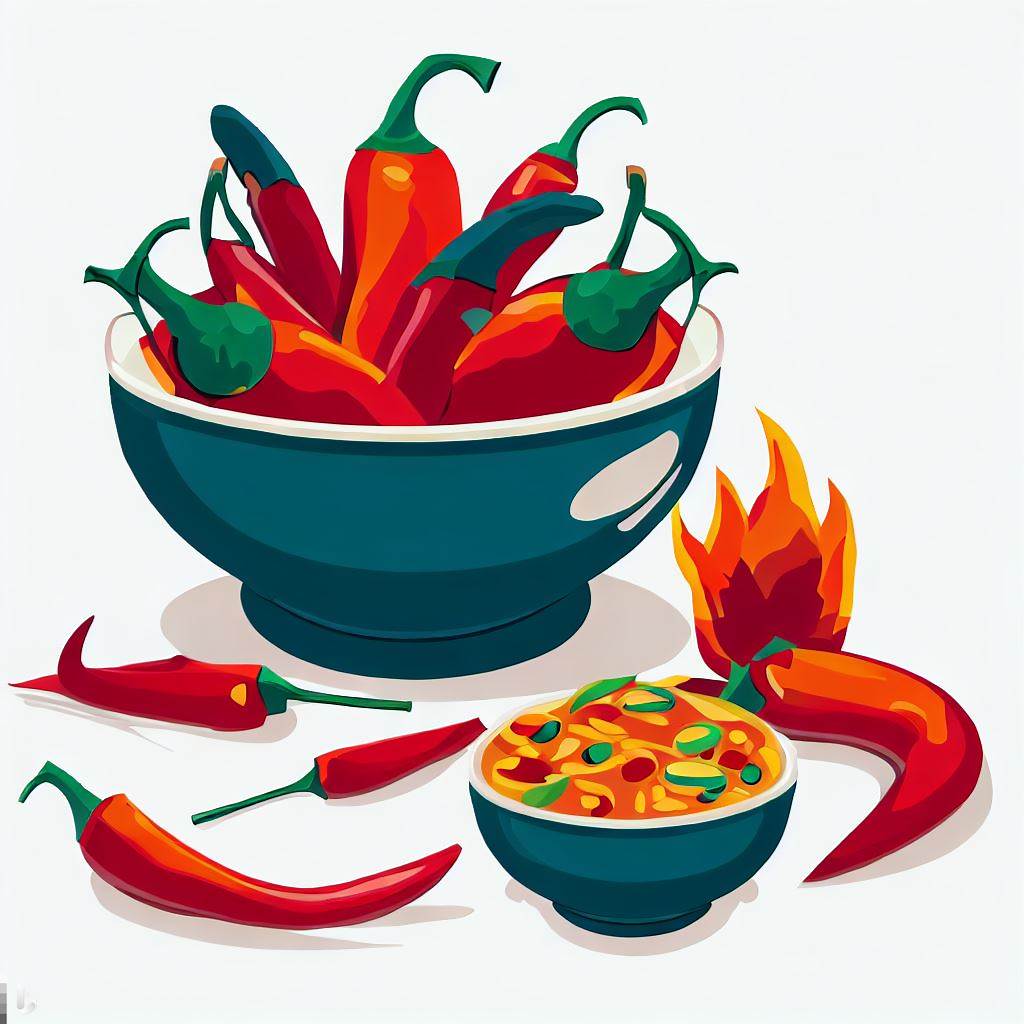
Ah, the chile pepper! That wondrous fruit—yes, it’s technically a fruit—that has set palates ablaze and hearts aflutter for centuries. We find it studding dishes from Mexico to Thailand, and even within the hallowed confines of Swiss chocolate bars. But have you ever wondered how this fiery culinary companion has found its way into nearly every cuisine on Earth?
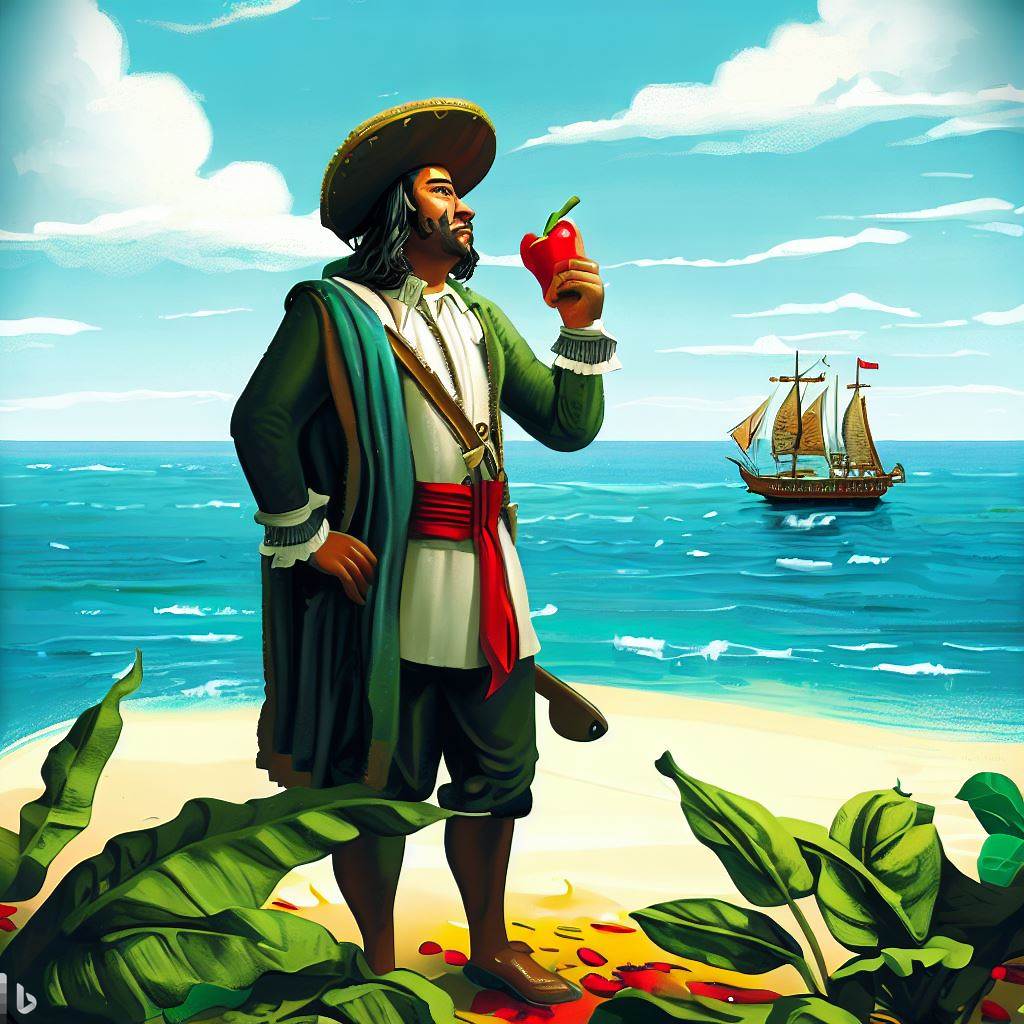
The story of chiles begins, as many stories often do, with a voyage of discovery. When Christopher Columbus set sail in 1492, his intended goal was to reach the spices of the East. Instead, he stumbled upon the Americas and its own native spice: the chile. It was a small but fortuitous detour for gastronomy. Imagine Columbus’ surprise when he tasted the indigenous Caribbean dishes, expecting the familiar heat of black pepper and instead experiencing the unique, blazing intensity of chiles.
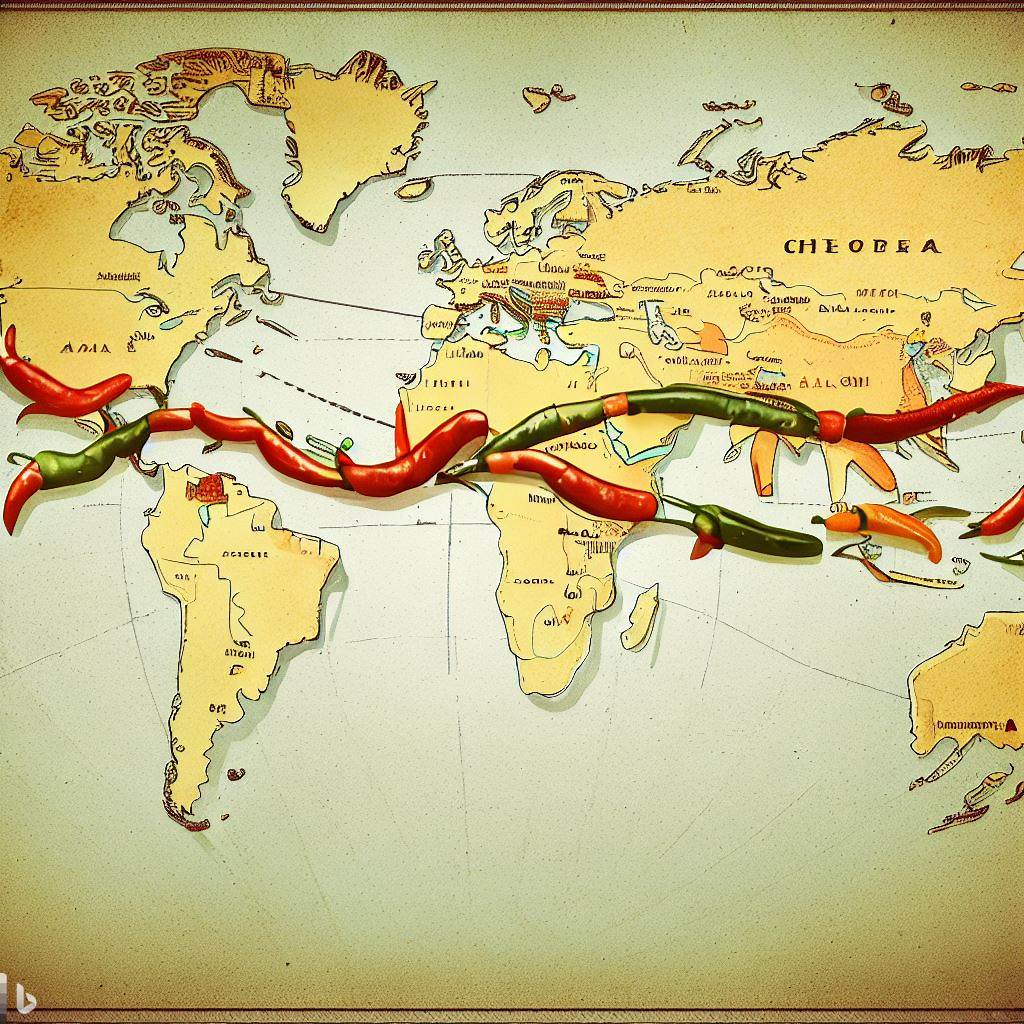
As potent as chiles are to the palate, they were equally potent agents of change in global trade and agriculture. One of the first crops to be globalized, chiles took a pungent journey along the Portuguese and Spanish trade routes, making their debut in India by the 16th century, then branching out to Southeast Asia and Africa. This leads us to the intriguing fact that while chiles are integral to Thai and Indian cuisines, they’ve been part of their culinary landscapes for a relatively short period. These spicy fruits are a testament to the rapid pace at which foods can integrate into a culture and reshape its culinary identity.
Now, let us traverse momentarily to 19th-century America, to the sleepy town of Waco, Texas, where an ingenious pharmacist named Charles Alderton decided to infuse the effervescence of soda water with the essence of chiles. The result? Dr Pepper, a beverage first marketed as a “brain tonic” that promised a spicy kick, without the chile’s burn, of course.
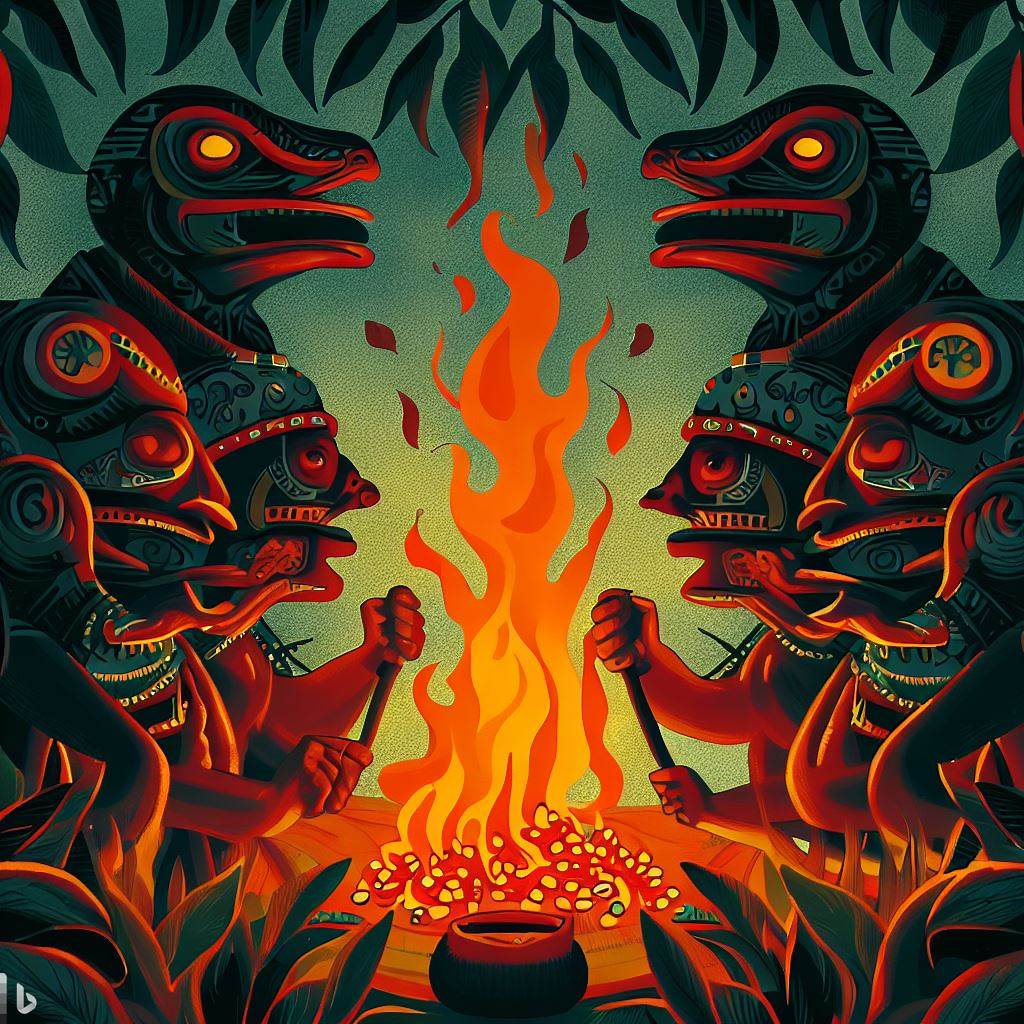
The cultural reach of chiles extends beyond culinary arts into the realms of medicine and spirituality. Capsaicin, the compound responsible for their heat, is used in modern medicine as a pain reliever. Historically, chiles had a role in Mayan and Aztec rituals as well. In these ancient societies, chiles were considered a gift from the gods, used as amulets for protection and offered as tribute to deities.
The transformative power of chiles is not merely a historical curiosity; it serves as a lens through which we view the adaptability of culinary traditions. A Mexican salsa verde and an Indian vindaloo may seem disparate in their culinary stylings, yet the chile pepper bridges these two worlds, allowing us to savor a universally adored form of culinary heat. This vibrant versatility makes the chile much more than a simple ingredient; it becomes a medium for intercultural conversation, a language spoken in the dialects of heat levels and Scoville units.
Spicy Salsa Verde with Grilled Chicken
Ingredients:
For the Salsa Verde:
- 5-6 medium tomatillos, husked and washed
- 2-3 serrano chiles, stemmed (adjust to heat preference)
- 1 small white onion, quartered
- 2 cloves garlic, peeled
- 1 handful fresh cilantro leaves
- Juice of 1 lime
- Salt to taste
For the Grilled Chicken:
- 4 boneless, skinless chicken breasts
- 1 tablespoon olive oil
- Salt and pepper to taste
Instructions:
- Prepare the Salsa Verde:
- Preheat your oven’s broiler. Place the tomatillos, serrano chiles, onion, and garlic on a baking sheet. Broil them until they start to blacken, about 5-7 minutes, turning halfway through.
- Transfer the broiled ingredients to a blender, add the cilantro, lime juice, and salt. Blend until smooth.
- Prepare the Grilled Chicken:
- Preheat a grill or grill pan over medium-high heat. Rub the chicken breasts with olive oil and season with salt and pepper.
- Grill the chicken for 6-7 minutes per side, or until fully cooked through.
- Assembly:
- Serve the grilled chicken hot, generously topped with the salsa verde. Garnish with extra cilantro leaves if desired.
Enjoy this mouthwatering dish that bridges the historical and the contemporary, the ancestral lands of Mexico and your own modern kitchen. It embodies the enduring journey of the chile pepper—a tale of culinary migration, adaptation, and delicious revolution.
So the next time you feel the burn from a particularly spicy dish, take a moment to appreciate the chile pepper’s incredible journey from its New World roots to your modern-day plate. It’s a journey of exploration, trade, and cultural exchange—a fiery tale that adds depth to the complex flavors of our global culinary heritage.
Until our next flavorful escapade, bon appétit and buen provecho!
Note: This blog post was originally published on Bites & Bytes, the one-stop blog for culinary history enthusiasts. Join us as we explore the historical recipes that have shaped our palates and cultures.





Leave a Reply